Feeling overwhelmed is common in today’s fast-paced life. Finding effective ways to unwind can significantly improve your mental and physical well-being. Discovering simple yet powerful relaxation techniques can help you regain your peace and composure.
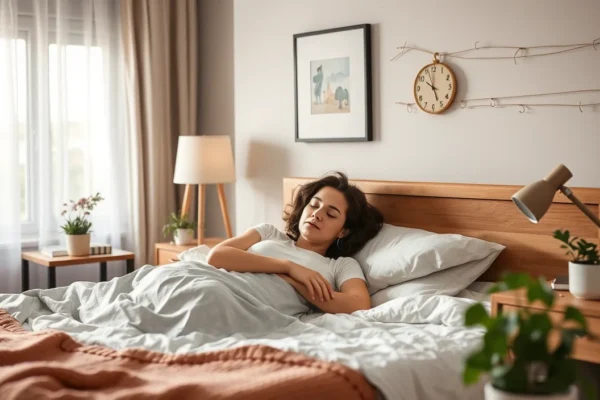
Here are 10 simple ways to relax: practice deep breathing, enjoy nature walks, indulge in hobbies, take warm baths, listen to soothing music, try meditation, engage in gentle yoga, read books, savor aromatic teas, and prioritize quality sleep.
undefined
Relaxation is essential for mental and physical well-being. The following section presents the first simple way to achieve relaxation in your daily routine. By incorporating this technique, you can create a more peaceful environment and reduce stress levels effectively.
Breathing exercises serve as a powerful tool for relaxation. Focusing on your breath can help calm the mind and body, making it easier to manage stress. One effective method is the 4-7-8 technique. Here’s how to do it:
- Find a comfortable seated or lying position.
- Close your eyes and take a deep breath in through your nose for a count of 4.
- Hold your breath for a count of 7.
- Exhale slowly through your mouth for a count of 8.
Repeat this cycle for four breaths. This technique not only helps to lower heart rate and blood pressure but also brings your focus to the present moment, cutting through the noise of daily life. Regular practice can lead to a more relaxed state throughout the day.
undefined
Listening to music is a powerful way to relax and improve your mood. It can transport you to a different place, evoke memories, or simply provide a soothing backdrop to your day. Whether you prefer classical, jazz, pop, or nature sounds, the right music can create an atmosphere of calm.
Consider curating playlists that fit different relaxation scenarios. For instance, create a soothing playlist for winding down in the evening or an upbeat one for a morning boost. Experiment with different genres to see which resonates with you and helps you unwind the most.
Another option is to explore guided meditation or mindfulness apps that incorporate music into their sessions. This method combines relaxation techniques with calming sounds, facilitating a deeper state of peace. Additionally, attending live music performances or simply enjoying music in nature can heighten your relaxation experience.
Remember to set aside time in your day to engage with music consciously. Whether you’re cooking, working, or lounging, let music be a companion that enhances your relaxation practices.
undefined
Engaging in physical activity is an effective way to relax. Exercise releases endorphins, which are natural mood lifters, helping to reduce stress and anxiety. Incorporating movement into your daily routine can be as simple as a brisk walk or a structured workout. The key is to find an activity that you enjoy, making it easier to stick with it consistently.
Consider the following options for incorporating physical activity into your relaxation routine:
- Walking: A simple and accessible form of exercise, walking can be done anywhere. Aim for 20-30 minutes to clear your mind and enjoy your surroundings.
- Yoga: This practice combines physical postures, breathing exercises, and meditation, promoting relaxation and flexibility. Many local classes or online videos are available.
- Dance: Whether it’s a formal class or just dancing at home, this fun activity can elevate your mood and relieve tension.
- Strength Training: Lifting weights or doing bodyweight exercises can help release stress and improve your overall physical health.
Choose activities that resonate with you, and remember that consistency is more important than intensity. Even short bursts of movement can contribute significantly to your overall relaxation and well-being.
undefined
Step 4 focuses on the benefits of engaging in physical activity as a simple way to relax. Regular movement can significantly reduce stress levels and improve your overall mood. Finding an enjoyable form of exercise can be a great way to incorporate relaxation into your daily routine.
Consider the following activities to help you unwind:
- Walking: A brisk walk in nature can clear your mind and provide a sense of peace.
- Yoga: This combines physical postures with breath control, promoting relaxation and flexibility.
- Dancing: Whether in a class or at home, dancing allows for self-expression and joy.
- Cycling: Riding a bike can be both invigorating and calming, especially in scenic locations.
- Swimming: Water has a soothing quality, and swimming can be a gentle way to relieve tension.
Choose activities that you enjoy and feel comfortable doing. The key is to integrate movement into your routine, making relaxation a natural part of your day.
undefined
Step 5 focuses on the power of nature to promote relaxation. Spending time outdoors can significantly reduce stress and enhance your mood. Engaging with nature allows you to disconnect from daily pressures and reconnect with your inner self.
Consider the following practical ways to incorporate nature into your relaxation routine:
- Go for a walk: Take a stroll in a nearby park or along a nature trail. The movement combined with fresh air can clear your mind.
- Gardening: Whether you have a large garden or a few pots on a balcony, tending to plants can be therapeutic and grounding.
- Mindful observation: Find a quiet spot outdoors, sit down, and simply observe your surroundings. Focus on the sounds, sights, and smells to help center your thoughts.
- Outdoor yoga or meditation: Practicing yoga or meditation in a natural setting amplifies the calming effects of both activities.
Integrating nature into your routine can transform your relaxation practice, making it more effective and refreshing.
undefined
One effective method to relax is through the practice of mindfulness meditation. This technique encourages you to focus on the present moment, which can reduce stress and promote a sense of calm. Here’s how to get started with mindfulness meditation.
Find a quiet space where you won’t be disturbed. Sit or lie down in a comfortable position. Close your eyes and take a few deep breaths, allowing your body to relax. Shift your attention to your breath, noticing the sensation of the air entering and leaving your body. If your mind wanders, gently guide your focus back to your breathing without judgment.
Start with just a few minutes each day, gradually increasing the duration as you become more comfortable with the practice. You can also use guided meditation apps or online videos if you prefer structured sessions. Regular practice can significantly decrease anxiety and enhance your overall well-being, making it an excellent addition to your relaxation routine.
undefined
Engaging in a creative activity can significantly boost relaxation and overall well-being. Creativity allows for expression and can serve as an effective outlet for stress relief. Whether you choose to paint, write, or engage in crafts, these activities can divert your mind from worries and provide a sense of accomplishment.
Consider these simple ways to incorporate creativity into your relaxation routine:
- Journaling: Write down your thoughts or experiences. This can help process emotions and reduce anxiety.
- Painting or Drawing: Use colors and shapes to express feelings. You don’t need to be an artist; focus on the process rather than the outcome.
- Crafting: Engage in activities like knitting, scrapbooking, or DIY projects. The repetitive motions can be soothing.
- Photography: Explore your surroundings and capture moments. This can shift your focus and enhance appreciation for your environment.
- Music: Play an instrument or simply listen to music that resonates with you. Creating or enjoying music can elevate your mood.
Finding a creative outlet that resonates with you can serve as a powerful tool for relaxation. Experiment with different activities to discover what helps you unwind the most.
undefined
Step 8 focuses on the benefits of spending time in nature. Engaging with the natural environment can significantly reduce stress levels and enhance overall well-being. Nature offers a peaceful backdrop that allows for relaxation and mindfulness, making it an excellent method to unwind.
Incorporating nature into your relaxation routine can be done in several ways:
- Walk in a park: Take a leisurely stroll in a nearby park or garden. The sights and sounds of nature can calm your mind.
- Hiking: Explore local trails that offer scenic views. Physical activity combined with nature can boost your mood.
- Gardening: Spend time tending to plants or flowers. Gardening can be therapeutic and satisfying.
- Mindful observation: Sit quietly in a natural setting and observe your surroundings. Focus on the details of what you see, hear, and feel.
By integrating these practices into your routine, you can create a powerful relaxation technique that nurtures both your mind and body. Nature has a unique ability to help you reconnect with yourself, providing a serene escape from daily stressors.
undefined
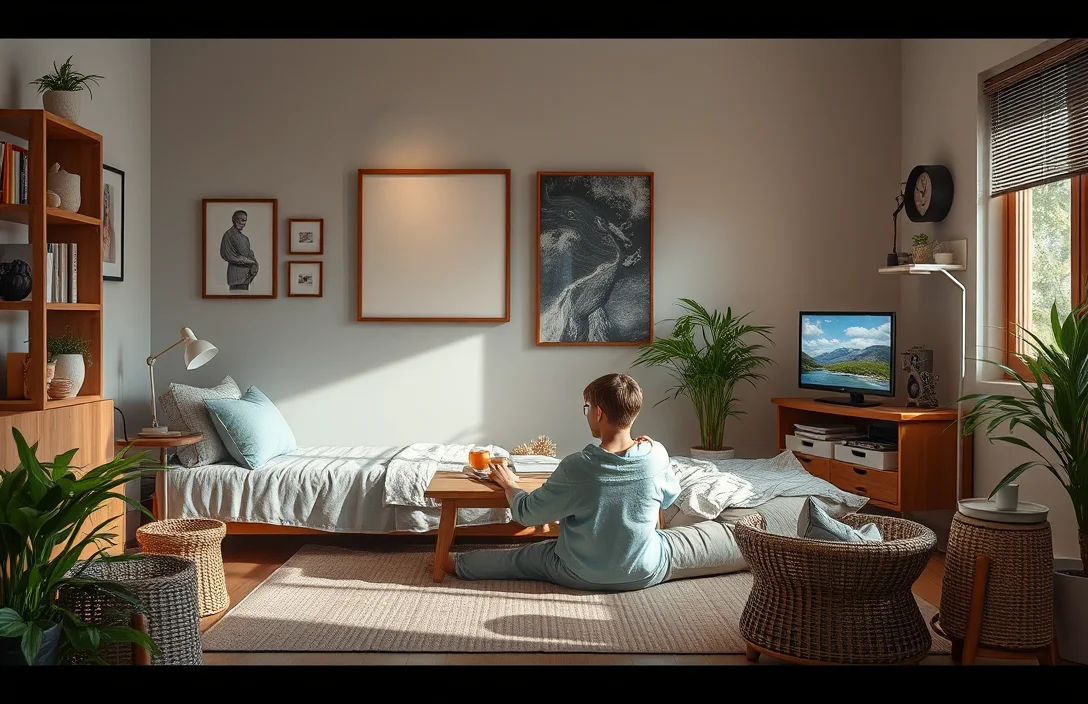
The final method to help you relax is to create a calming environment. Your surroundings play a significant role in how you feel. A soothing space can enhance your relaxation techniques and promote a sense of peace. Here are some practical steps to achieve this.
Begin by decluttering your space. Remove unnecessary items that create visual chaos. A clean and organized environment can significantly reduce stress levels.
Next, consider the lighting. Soft, warm lights can create a cozy atmosphere, while bright, harsh lights can be stimulating. Use lamps or candles to adjust the brightness according to your mood.
Incorporate elements of nature, such as plants or natural materials. Greenery can improve air quality and promote feelings of tranquility. Additionally, playing soft music or nature sounds can enhance relaxation.
Lastly, personalize your space with items that bring you joy, such as photographs, art, or meaningful objects. Surrounding yourself with things you love can create a comforting environment conducive to relaxation.
Quick Summary
- Practice deep breathing techniques to calm the mind.
- Engage in regular physical activity to reduce stress levels.
- Set aside time for hobbies or activities that bring joy.
- Establish a bedtime routine for better sleep quality.
- Connect with nature through walks or outdoor activities.
- Limit screen time to reduce mental clutter.
- Incorporate mindfulness or meditation into daily life.
Frequently Asked Questions
What are some quick relaxation techniques I can try?
Some quick relaxation techniques include deep breathing exercises, progressive muscle relaxation, and visualization. These methods can help calm your mind and reduce stress in just a few minutes.
How can I incorporate relaxation into my daily routine?
You can incorporate relaxation into your daily routine by setting aside specific times for activities such as meditation, gentle yoga, or listening to calming music. Even just a few minutes of these practices can significantly improve your overall well-being.
What is the best time of day to relax?
The best time to relax varies for everyone, but many find mornings or evenings ideal. Choose a time that fits your schedule and allows you to unwind without distractions.
Can relaxation techniques improve my sleep?
Yes, relaxation techniques can significantly improve sleep quality by calming the mind and reducing anxiety. Practicing these techniques before bedtime can help signal your body that it’s time to rest.
Are there any relaxation methods I can do at work?
Absolutely! Simple methods like deep breathing, stretching, or taking short breaks to step outside can help reduce stress during your workday. Incorporating these practices can boost productivity and overall job satisfaction.

- When Can Babies Start Sleeping on Their Stomach? - March 1, 2026
- Can Babies Sleep on a Slight Incline? Safety Guidelines - March 1, 2026
- 10 Natural Ways to Improve Your Sleep Quality Tonight - March 1, 2026