Top 5 Safe Sleeping Surfaces for Babies: Guidelines for Peaceful Sleep

As a first-time parent, the safety of your newborn can feel overwhelming, especially when it comes to sleep. Understanding the best practices for safe sleeping surfaces is crucial for ensuring your baby’s well-being and peace of mind.
Choosing the right sleeping surface involves considering firmness, breathability, and appropriate bedding. Prioritizing these factors can help establish a safe sleep environment and promote healthy sleep habits for your little one.
Safe Sleep Environment Overview
Safe sleeping surfaces are crucial for reducing the risk of sleep-related incidents in infants. A safe sleep surface provides a stable, firm area for your baby to sleep, minimizing dangers such as suffocation or overheating. Understanding what constitutes a safe sleeping surface is the first step in ensuring your baby’s well-being during sleep.
There are several key elements to consider when choosing a sleeping surface for your baby. Cribs, bassinets, and play yards are commonly recommended. Each of these options should have a firm mattress that fits snugly within the frame, with no gaps that could pose a risk. Soft bedding, pillows, and toys should be avoided in the sleep environment to prevent suffocation hazards. Additionally, sleeping surfaces should meet current safety standards set by organizations such as the Consumer Product Safety Commission (CPSC). Regularly checking for recalls and safety compliance is essential in maintaining a secure sleep setting for your baby.
Importance of Sleep Surface Safety
Safe sleep surfaces are fundamental for reducing risks associated with infant sleep, including Sudden Infant Death Syndrome (SIDS). The right surface can help maintain a stable sleep environment, promoting healthy sleep patterns and overall well-being for your baby.
Infants are particularly vulnerable as they cannot yet move themselves to safer positions. A firm mattress that fits snugly in the crib or bassinet reduces the risk of suffocation by preventing the baby from sinking into soft surfaces. Soft bedding, pillows, and toys should be avoided in the sleep area to minimize hazards. Additionally, ensuring that the sleep surface is free from any gaps is crucial to prevent entrapment.
Choosing a sleep surface that meets safety standards can provide peace of mind. Look for cribs and mattresses that adhere to recommendations from organizations such as the American Academy of Pediatrics (AAP). Understanding these guidelines allows you to make informed decisions regarding your baby’s sleep environment, ultimately contributing to a safer sleep experience.
Key Characteristics of Safe Surfaces
Understanding the essential features that make a sleep surface safe for your baby is crucial for promoting healthy sleep. A safe sleeping surface can significantly reduce the risk of sleep-related incidents and support your infant’s overall well-being. Here are the key characteristics to consider when evaluating sleep surfaces for your baby.
First, a safe sleep surface should be firm. Soft surfaces can create a risk of suffocation or rebreathing carbon dioxide. Look for a mattress that has a firm, flat surface and meets safety standards set by organizations such as the Consumer Product Safety Commission (CPSC).
Second, the material used should be breathable. Breathable materials help regulate temperature and can prevent overheating, which is another risk factor for sleep-related issues. Avoid materials that trap heat, such as memory foam.
Third, the sleep surface should fit snugly in the crib or bassinet. Gaps between the mattress and the crib sides can pose a risk for entrapment. Ensure that the mattress is the correct size and fits securely in the sleep space.
Finally, the surface should be free from hazards such as loose bedding, pillows, toys, or bumper pads. These items can increase the risk of suffocation and should always be removed from the sleeping area.
Recommended Sleep Surfaces
Choosing the right sleep surface for your baby is crucial for their safety and well-being. The following surfaces have been identified as the safest options for infant sleep, ensuring a secure environment that minimizes the risk of sleep-related incidents.
The safest sleep surfaces for infants include:
- Cribs: Ensure that the crib meets safety standards set by the Consumer Product Safety Commission (CPSC). The mattress should fit snugly within the crib frame without any gaps.
- bassinets: These smaller sleeping spaces are designed specifically for young infants and should also comply with safety regulations. Select a bassinet with a firm mattress and a breathable fabric.
- Play yards: Portable play yards that are designed for sleep can be a safe option. Ensure they have a flat, firm mattress and do not use any additional bedding.
- Co-sleepers: If you choose to have your baby sleep close by, consider a co-sleeper that attaches securely to your bed, providing a separate space while keeping your baby close.
Avoid soft surfaces such as sofas, armchairs, or adult beds for infant sleep, as these can pose a suffocation risk. Prioritizing a firm, flat surface will help create a safer sleep environment for your baby.
Best Practices for Setting Up
Creating a safe sleeping environment is crucial for your baby’s well-being. Following specific practices ensures that your baby sleeps securely and peacefully. This section outlines key methods to set up a safe sleep area, allowing you to focus on bonding with your newborn without unnecessary worry.
Begin with a firm, flat mattress that fits snugly in the crib or bassinet, minimizing gaps that could pose a suffocation risk. Avoid using soft bedding, such as pillows, blankets, or bumper pads, as these can increase the risk of Sudden Infant Death Syndrome (SIDS). Instead, dress your baby in a sleep sack or a wearable blanket for warmth.
Ensure that the sleep area is free from toys, stuffed animals, and other items that could obstruct your baby’s breathing. Place the crib or bassinet in a location away from window blinds or cords that could pose a strangulation hazard. Maintain a comfortable room temperature, ideally between 68°F and 72°F (20°C to 22°C), to prevent overheating.
Finally, position your baby on their back for every sleep, whether during naps or overnight. This position significantly reduces the risk of SIDS. Regularly check the sleep area for any changes or potential hazards as your baby grows and their sleeping patterns evolve.
Common Mistakes to Avoid
First-time parents often encounter several pitfalls regarding safe sleeping surfaces for their babies. Recognizing these mistakes can significantly enhance your baby’s safety and comfort during sleep. Here are some common errors to be cautious of:
- Using soft bedding: Placing soft materials like blankets, pillows, or stuffed animals in the crib can increase the risk of suffocation and Sudden Infant Death Syndrome (SIDS).
- Choosing the wrong mattress: Ensure the mattress fits snugly in the crib without gaps. A firm mattress is essential for safe sleep.
- Ignoring safety standards: Always select cribs and mattresses that meet current safety regulations. Look for certification from trusted organizations.
- Overheating: Dress your baby in light layers and maintain a comfortable room temperature to prevent overheating, which is linked to SIDS.
- Using a baby hammock or inclined sleeper: These are not recommended as they can pose safety risks. Always opt for a flat and firm sleep surface.
Avoiding these common mistakes will help create a secure and safe sleeping environment for your newborn, allowing you to rest easier while your baby sleeps safely.
Real-Life Safe Sleep Examples
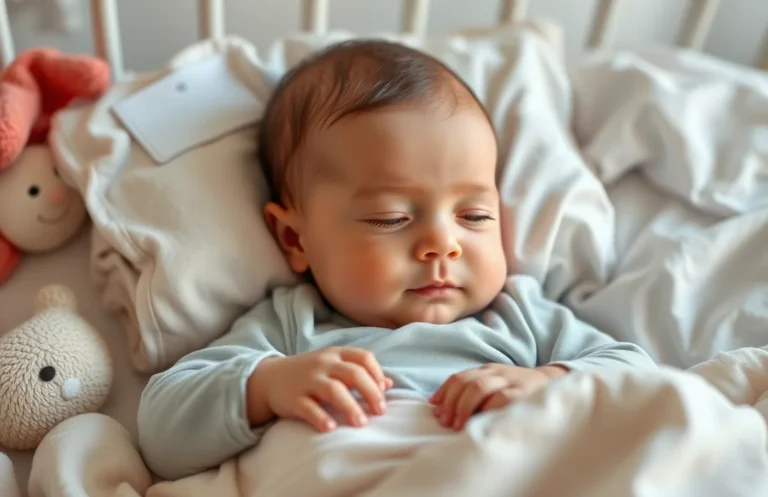
Understanding how safe sleeping surfaces look in real life can greatly reassure new parents. Here are a few case studies that illustrate effective sleep setups for infants, ensuring safety and comfort.
Case Study 1: The Johnson Family uses a firm, flat crib mattress that fits snugly in their crib without any gaps. They use a fitted crib sheet made of breathable cotton, keeping the sleeping area free of blankets, pillows, and stuffed animals. Their baby sleeps on his back, following the safe sleep guidelines.
Case Study 2: The Lee Family opted for a bassinet that meets all safety standards. They placed it next to their bed for easy access during nighttime feedings. The bassinet has a breathable mesh side to promote airflow and is kept free from any loose bedding, ensuring their newborn has a safe sleeping space.
Case Study 3: The Garcia Family has a play yard that doubles as a safe sleeping surface for their baby during daytime naps. They ensured it has a firm mattress and removed any toys during sleep time. Their little one sleeps comfortably in a sleep sack, which keeps her warm without the risks associated with blankets.
These examples highlight practical ways to create safe sleeping environments, giving parents peace of mind while caring for their newborns.
Quick Summary
- Always place babies on their backs to sleep to reduce the risk of Sudden Infant Death Syndrome (SIDS).
- Use a firm mattress that fits snugly in the crib, bassinet, or play yard.
- Avoid soft bedding, including pillows, blankets, and bumper pads in the sleep area.
- Keep the baby’s sleep environment free from toys and other items that could pose suffocation hazards.
- Ensure that the crib meets current safety standards and has no loose or broken parts.
- Maintain a comfortable room temperature to prevent overheating.
- Consider using a pacifier during naps and bedtime to further reduce SIDS risk.
Frequently Asked Questions
What is the safest sleep surface for my baby?
The safest sleep surface for your baby is a firm, flat mattress that fits snugly in a crib or bassinet, covered by a fitted sheet. Avoid using soft bedding, pillows, or toys in the sleep area to reduce the risk of suffocation and Sudden Infant Death Syndrome (SIDS).
Can I use a co-sleeper or bedside sleeper?
Yes, co-sleepers or bedside sleepers can be safe options as long as they meet safety standards and are used correctly. Ensure that the sleep surface is firm, and avoid any gaps between the co-sleeper and your bed where the baby could become trapped.
What should I avoid placing in my baby’s crib?
Avoid placing soft items like blankets, bumper pads, stuffed animals, or pillows in your baby’s crib. These items can increase the risk of suffocation and should not be used until your child is older and can move independently.
How should I dress my baby for sleep?
Dress your baby in light, breathable clothing suitable for the room temperature to prevent overheating. A sleep sack or wearable blanket is a safe option, as it keeps them warm without the hazards of loose blankets.
When can my baby start sleeping on their stomach?
Your baby should always be placed on their back to sleep until their first birthday. Once they can roll over independently, they may choose to sleep on their stomach, but it’s important to always start them on their back for safety.

- 10 Christmas Smocked Dress Baby Girl: Adorable Outfits for Holiday Cheer 2026 - September 28, 2026
- Top 5 Protective Factors to Reduce SIDS Risk in Infants - September 27, 2026
- 10 Christening Outfits For Baby Girl: Elegant Choices For Special Occasions 2026 - September 26, 2026