Safe Sleep Guidelines: 10 Essential Tips for Infants and Toddlers

Every parent wants their baby to sleep soundly and safely. Understanding safe sleep recommendations can help reduce risks, ensuring that your little one gets the rest they need while providing peace of mind for caregivers. Let’s uncover the essentials of safe sleep practices.
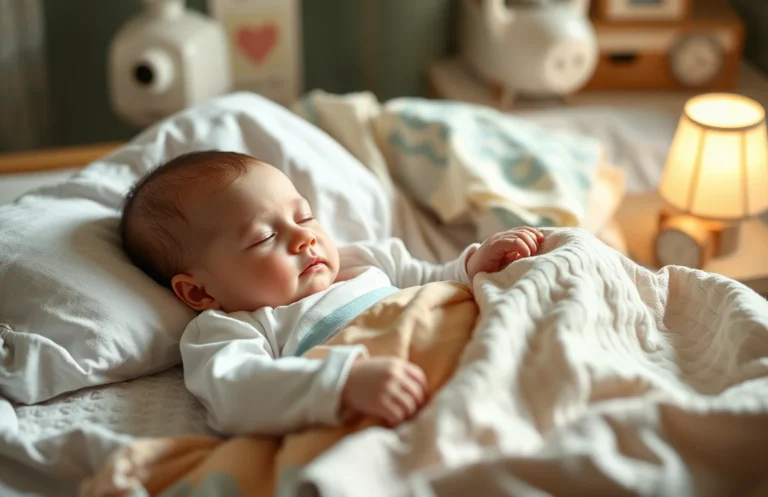
Safe sleep practices include placing babies on their backs to sleep, using a firm mattress, and avoiding soft bedding. Keeping the baby’s sleep area free of toys and ensuring a smoke-free environment are also crucial for promoting safe sleep.
Core Safe Sleep Principles
Safe sleep recommendations are designed to reduce the risk of sleep-related infant deaths, such as sudden infant death syndrome (SIDS). These guidelines emphasize creating a secure sleeping environment for infants and young children. Adhering to these principles is essential for promoting healthy sleep practices and ensuring the safety of the child during sleep.
The primary goal of safe sleep practices is to minimize risks associated with sleep. Key recommendations include placing infants on their backs to sleep, ensuring a firm mattress without soft bedding or toys, and maintaining a smoke-free environment. Caregivers should also avoid co-sleeping, as it increases the risk of suffocation and overheating.
Establishing a routine that includes regular sleep schedules can help infants develop healthy sleep habits. Additionally, monitoring sleep environments for safety factors, such as temperature and air circulation, contributes to overall well-being. These principles serve as a foundation for caregivers to create a safe sleep setting, ultimately promoting better sleep health for infants and young children.
Safe Sleep Environment
Creating a safe sleep environment is essential for reducing the risk of sleep-related incidents for infants. This section focuses on the ideal conditions for your baby’s sleep, including the type of mattress and the room temperature.
A firm mattress is crucial for an infant’s sleep surface. Soft mattresses, comforters, and pillows increase the risk of suffocation or overheating. Choose a crib or bassinet that has a firm mattress, ensuring it fits snugly without any gaps between the mattress and the crib sides.
Room temperature also plays a significant role in safe sleep. The ideal temperature is between 68°F and 72°F (20°C to 22°C). Keeping the room within this range helps prevent overheating, which is associated with an increased risk of Sudden Infant Death Syndrome (SIDS). Use a fan or air conditioning if necessary, and dress your baby in light layers to maintain a comfortable temperature.
Sleep Position Guidelines
Choosing the right sleep position is crucial for reducing the risk of sleep-related incidents, particularly for infants. Proper positioning can help prevent conditions like Sudden Infant Death Syndrome (SIDS) and ensure that the baby remains safe during sleep. This section outlines recommended sleep positions and additional tips for maintaining a safe sleep environment.
Infants should always be placed on their backs to sleep. This position has been shown to significantly reduce the risk of SIDS. Babies should be laid down on a firm mattress without any soft bedding or toys, which can pose a suffocation risk. The stomach position is not recommended for sleep, as it can increase the chances of respiratory distress and overheating.
Some parents may consider using positioning devices, such as sleep positioners, to keep their baby in a specific position. However, these devices are not recommended. They can create a risk of suffocation and do not provide any additional safety benefits. Instead, ensure that the sleep surface is clear of any obstacles and that the baby is placed in a safe sleeping position from the outset.
Crib Safety Standards
Crib safety standards are essential to ensure a secure sleep environment for infants. These standards encompass design specifications, mattress fit, and overall safety measures that help prevent accidents and injuries. Understanding these guidelines will assist caregivers in selecting the safest options for their baby’s sleep space.
Crib Design Specifications
Cribs must meet current safety regulations, including slat spacing, which should not exceed 2 3/8 inches to prevent entrapment. Cribs should have a stable structure with no sharp edges or protruding hardware. The corner posts must not extend more than 1/16 inch above the end panels to minimize the risk of clothing becoming snagged.
Mattress Fit and Safety
The mattress should fit snugly within the crib frame, leaving no gaps larger than two fingers between the mattress and crib sides. This prevents the baby from getting trapped. Use a firm mattress that meets safety standards, as softer mattresses can increase the risk of suffocation.
Regularly check the crib for wear and tear, and discontinue use if it shows signs of damage. Always follow the manufacturer’s instructions for assembly and use to maintain safety.
Practices to Avoid
Understanding unsafe sleep practices is crucial for ensuring a child’s safety during sleep. Certain behaviors and items can significantly increase the risk of sleep-related incidents, including suffocation and sudden infant death syndrome (SIDS). Below are key practices to avoid.
Soft Bedding Concerns
Soft bedding, including pillows, blankets, and comforters, poses a suffocation risk for infants. Babies should sleep on a firm mattress covered only by a fitted sheet. Avoid placing any soft items in the crib, such as stuffed animals, as these can obstruct breathing or create a hazardous environment.
Co-sleeping Risks
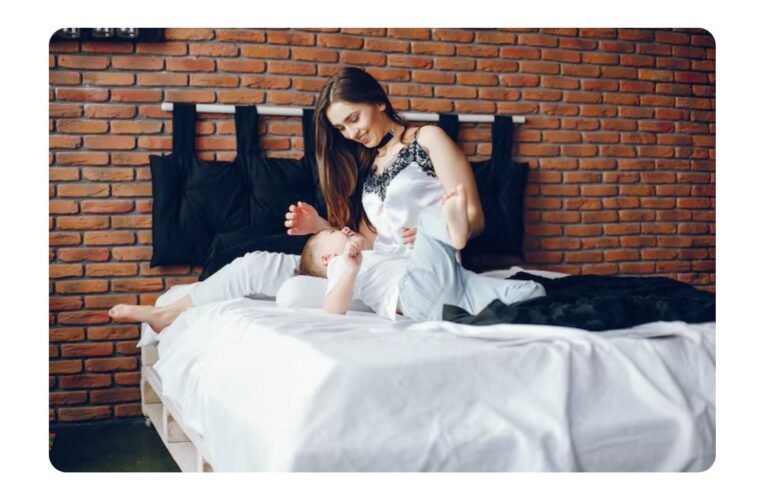
Co-sleeping, or sharing a bed with an infant, is strongly discouraged. This practice increases the risk of accidental suffocation, especially if the adult rolls over or the infant becomes trapped between the mattress and wall or other furniture. For safer sleep, always provide a separate sleep space for infants, such as a crib or bassinet placed close to the parent’s bed.
Real-Life Case Studies
This section presents real-life examples of safe sleep implementations, illustrating their effectiveness and the lessons learned from both successes and unfortunate incidents. These case studies emphasize the importance of adhering to safe sleep recommendations to protect infants and promote healthier sleep environments.
One notable example comes from a hospital initiative that implemented the “Back to Sleep” campaign. By educating parents and caregivers about placing infants on their backs to sleep, the hospital reported a significant reduction in cases of sudden infant death syndrome (SIDS). Parents engaged in workshops learned about the importance of maintaining a clutter-free sleep space, resulting in safer sleep practices at home.
Conversely, a tragic incident highlighted the consequences of neglecting safe sleep guidelines. A family reported a case where a baby was put to sleep on a soft surface surrounded by pillows. This led to suffocation, prompting local health authorities to increase awareness campaigns on safe sleep practices. The incident underscored the importance of continuous education and community outreach to prevent similar events.
These case studies demonstrate that effective education, ongoing support, and community involvement play crucial roles in promoting safe sleep practices, ultimately reducing risks associated with infant sleep-related incidents.
Comparative Analysis of Guidelines
This section compares various safe sleep recommendations from leading health organizations, emphasizing key similarities and differences. Understanding these guidelines is essential for caregivers to ensure a safe sleep environment for infants.
- CDC vs. AAP Recommendations: The Centers for Disease Control and Prevention (CDC) and the American Academy of Pediatrics (AAP) largely align on safe sleep practices. Both organizations recommend placing infants on their backs for sleep and using a firm sleep surface. However, the AAP provides more detailed guidance, including recommendations against using soft bedding and toys in the crib, which the CDC also supports but with less specificity.
- International Variations: Safe sleep recommendations can vary internationally. For example, the UK advises parents to share a room but not a bed with their infants, while some Scandinavian countries promote co-sleeping with specific precautions. These variations often reflect cultural practices and may influence how guidelines are adapted in different regions.
- Common Elements: Despite differences, most guidelines emphasize the importance of a smoke-free environment, the use of pacifiers during sleep, and avoiding overheating. These elements are critical in minimizing the risk of Sudden Infant Death Syndrome (SIDS).
By understanding these comparative guidelines, caregivers can make informed decisions to promote safer sleep practices for infants.
Quick Summary
- Always place babies on their backs to sleep to reduce the risk of Sudden Infant Death Syndrome (SIDS).
- Use a firm sleep surface, such as a crib or bassinet, with a fitted sheet.
- Keep the sleep environment free of soft objects, toys, and loose bedding.
- Share a room with the baby, but avoid sharing a bed to ensure safe sleep practices.
- Maintain a comfortable room temperature to prevent overheating.
- Encourage breastfeeding, as it may reduce the risk of SIDS.
- Regularly check for updated safe sleep guidelines from reliable health organizations.
Frequently Asked Questions
What are the safest sleep positions for infants?
Infants should always be placed on their backs to sleep, as this position significantly reduces the risk of Sudden Infant Death Syndrome (SIDS). It is also important to keep the sleep surface firm and flat, avoiding soft bedding and toys.
When can my baby start sleeping on their stomach?
Once your baby can roll over independently, usually around 4 to 6 months, it’s generally safe for them to sleep on their stomach. However, they should still be placed on their back for sleep until they reach this developmental milestone.
How can I create a safe sleep environment for my baby?
To create a safe sleep environment, use a firm mattress covered with a fitted sheet in a crib or bassinet that meets safety standards. Remove any soft bedding, pillows, or stuffed animals from the sleep area to reduce the risk of suffocation.
What is the recommended room temperature for safe sleep?
The ideal room temperature for a baby’s sleep environment is between 68°F and 72°F (20°C to 22°C). Keeping the room at this temperature helps prevent overheating, which is linked to an increased risk of SIDS.
Should I use a pacifier during sleep?
Yes, offering a pacifier at nap time and bedtime can reduce the risk of SIDS. If your baby refuses the pacifier, do not force it, but if they accept it, it is safe to continue using it until they are one year old.

- Safe Sleep Guidelines: 10 Essential Tips for Infants and Toddlers - September 12, 2026
- 10 Birthday Beanie Baby June 6 Adorable Options For Celebrate Little Ones 2026 - September 12, 2026
- 10 Mid Century Modern Baby Furniture: Stylish Designs for Modern Nurseries 2026 - September 11, 2026