Ideal Baby Room Temperature Chart for Comfort and Safety

As a new parent, ensuring your baby is comfortable and safe can feel overwhelming, especially when it comes to maintaining the right room temperature. Understanding how to create a cozy environment for your newborn is crucial for their well-being and your peace of mind.
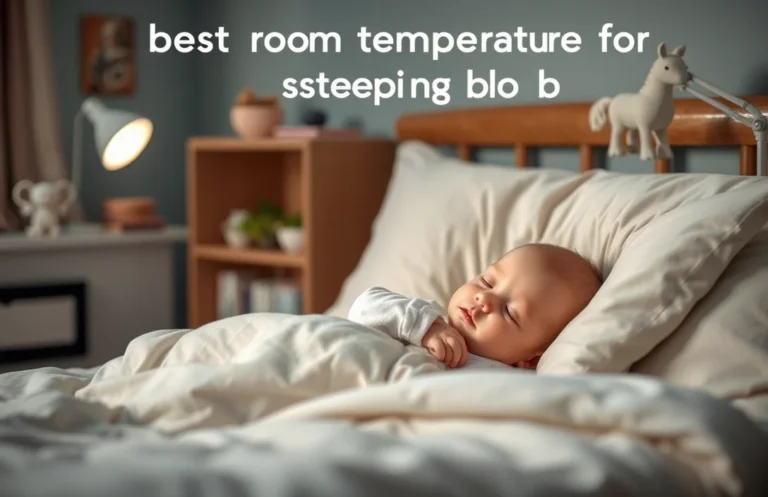
Research shows that the ideal room temperature for infants is between 68°F and 72°F. Keeping the room well-ventilated while avoiding overheating is key to ensuring your baby sleeps soundly and safely.
undefined
Understanding the ideal temperature for your baby’s room is crucial for their comfort and safety. This section will provide an overview of the recommended temperature range for infants, helping you create a safe sleeping environment. Maintaining the correct temperature can prevent overheating and ensure your little one is cozy, promoting better sleep and overall well-being.
The ideal room temperature for a newborn typically ranges from 68 to 72 degrees Fahrenheit (20 to 22 degrees Celsius). Keeping your baby’s room within this range helps reduce the risk of sudden infant death syndrome (SIDS) and ensures they are not too hot or cold. It is beneficial to monitor the temperature regularly, especially during seasonal changes, as heating and cooling systems can vary.
Consider using a reliable room thermometer to keep track of the temperature. Dress your baby in light layers, allowing for easy adjustments based on the room’s temperature. Avoid heavy blankets and limit the number of layers to prevent overheating. Always check your baby’s neck or back to ensure they are comfortably warm, rather than relying solely on their hands or feet, which may feel cooler.
undefined
Understanding the ideal room temperature for your baby is crucial for their safety and comfort. This section provides a detailed baby room temperature chart, helping you maintain a consistent and safe environment for your newborn. The right temperature can prevent overheating and ensure your baby sleeps soundly.
The American Academy of Pediatrics recommends that the optimal room temperature for infants is between 68°F and 72°F (20°C to 22°C). Keep in mind that every baby is unique, so it’s essential to monitor your baby’s comfort level. Here’s a simple chart to reference:
| Room Temperature (°F) | Room Temperature (°C) | Baby’s Comfort Level |
|---|---|---|
| 68-72 | 20-22 | Ideal |
| 73-75 | 23-24 | Potentially too warm |
| Below 68 | Below 20 | Potentially too cold |
Use this chart as a reference, and adjust your home’s heating or cooling systems accordingly. Always check your baby’s neck or back to see if they feel too warm or cold, as they may not be able to communicate their discomfort effectively.
undefined
Understanding the ideal temperature range for your baby’s room is essential for their comfort and safety. A baby room temperature chart serves as a helpful guide, allowing you to maintain the right environment for your newborn. This section will outline the recommended temperature ranges and how to adjust your baby’s room accordingly.
The ideal room temperature for infants is generally between 68°F and 72°F (20°C to 22°C). This range helps prevent overheating, which is associated with an increased risk of sudden infant death syndrome (SIDS). Keeping the room too cold can also be uncomfortable for your baby and affect their sleep quality.
To ensure you are within this range, consider using a room thermometer. Place it in a location where it can accurately reflect the overall temperature, away from direct drafts or sunlight. If the room is too warm, you can adjust the temperature by using a fan, opening a window, or dressing your baby in lighter clothing. Conversely, if the room is too cool, adding layers to their sleepwear or using a sleep sack can help maintain warmth.
Regularly check the temperature, especially during seasonal changes or when using heating and cooling systems. By staying vigilant about the room temperature, you can create a safe and comfortable space for your little one.
undefined
Understanding how to read a baby room temperature chart is essential for ensuring your newborn’s comfort and safety. These charts provide guidelines on the ideal temperature range for your baby’s room, helping you make informed decisions regarding clothing and bedding. Familiarizing yourself with this information will ease your concerns about your baby’s well-being.
The ideal room temperature for infants is typically between 68°F and 72°F (20°C to 22°C). To help you maintain this temperature, refer to a simple chart that correlates room temperature with appropriate clothing options for your baby:
| Room Temperature | Recommended Clothing |
|---|---|
| 68°F – 72°F (20°C – 22°C) | Light sleep sack or onesie |
| 65°F – 67°F (18°C – 20°C) | Long-sleeved onesie and light sleep sack |
| Below 65°F (18°C) | Long-sleeved onesie, heavier sleep sack, blankets |
| Above 72°F (22°C) | Lightweight clothing, remove blankets |
This chart serves as a quick reference to help you dress your baby according to the room temperature. Adjustments may be necessary based on your baby’s individual needs and preferences, so always monitor their comfort level closely.
undefined
Understanding how to read a baby room temperature chart is essential for ensuring your newborn’s comfort and safety. This section will explain how to interpret the ideal temperatures and what adjustments you might need based on your environment or your baby’s specific needs.
A baby room temperature chart typically provides a range of temperatures recommended for infants, usually between 68°F to 72°F (20°C to 22°C). This range helps prevent overheating and ensures your baby stays warm enough without being too hot. You can use this chart as a quick reference to assess whether your baby’s room is within a safe temperature range.
Be mindful of fluctuations due to seasonal changes or varying room conditions. For instance, during winter, you may need to adjust the thermostat or use a space heater to maintain the ideal temperature. Conversely, in summer, using fans or keeping curtains closed can help keep the room cool. Always check your baby’s temperature by feeling their neck or back to ensure they are comfortable.
Regularly monitor the room temperature using a reliable thermometer, ensuring it is placed away from drafts or direct sunlight for accurate readings. This practice will help you become more confident in maintaining a safe environment for your little one.
undefined
Understanding the ideal temperature for your baby’s room is crucial for their comfort and safety. This section will provide you with a clear baby room temperature chart that outlines the recommended temperatures for different stages of your infant’s development. By following these guidelines, you can ensure your baby’s environment remains cozy and safe.
The ideal temperature range for a baby’s room is typically between 68°F and 72°F (20°C to 22°C). This range helps minimize the risk of overheating, which is linked to sudden infant death syndrome (SIDS). Here’s a simple chart to follow:
| Age Group | Recommended Temperature (°F) | Recommended Temperature (°C) |
|---|---|---|
| Newborn (0-3 months) | 68-72 | 20-22 |
| Infant (3-12 months) | 68-72 | 20-22 |
| Toddler (1-3 years) | 68-74 | 20-23 |
Always dress your baby in light layers to help regulate their body temperature, and use a room thermometer to monitor the environment. Adjust the thermostat or ventilation as needed to maintain the appropriate temperature.
undefined
Understanding how to interpret a baby room temperature chart is essential for new parents. This section will outline the key temperature ranges and what they mean for your baby’s comfort and safety. Knowing how to read this chart helps you make informed decisions about your baby’s environment.
The ideal room temperature for infants typically ranges from 68°F to 72°F (20°C to 22°C). Here’s how to interpret the temperature chart:
- Below 68°F (20°C): If the room is too cold, your baby may become uncomfortable or at risk for hypothermia. Dress your baby in layers or use a sleep sack to maintain warmth.
- 68°F – 72°F (20°C – 22°C): This temperature range is considered optimal for infant sleep. Ensure your baby’s sleep environment is free from heavy blankets or items that could cause overheating.
- Above 72°F (22°C): Overheating can increase the risk of Sudden Infant Death Syndrome (SIDS). If the room is too warm, adjust the thermostat, use a fan, or dress your baby in lighter clothing.
Regularly check the temperature and adjust as needed, especially with changing seasons. Using a reliable room thermometer can help ensure your baby’s sleeping space remains within the recommended range.
undefined
Understanding the ideal temperature for your baby’s room is essential for their comfort and safety. A temperature chart can help guide you in maintaining a suitable environment, ensuring your newborn feels cozy without the risk of overheating or being too cold. Here’s a simple breakdown of the recommended temperature ranges and corresponding clothing suggestions.
| Room Temperature (°F) | Recommended Clothing |
|---|---|
| 68 – 72 | Light onesie or sleep sack |
| 73 – 75 | Short-sleeve onesie or lightweight sleep sack |
| 76 – 78 | Diaper only or very light clothing |
| Under 68 | Long-sleeve onesie with a sleep sack |
| Above 78 | Light layers; avoid heavy blankets |
Regularly checking your baby’s room temperature with a reliable thermometer will help you make adjustments as needed. Always monitor your baby for signs of discomfort, such as sweating or a flushed face, which can indicate overheating. Keeping your baby’s environment within this temperature range will promote restful sleep and overall well-being.
undefined
Understanding how to interpret a baby room temperature chart is crucial for maintaining your infant’s comfort and safety. This section provides a clear outline of the ideal temperature ranges and corresponding clothing recommendations that ensure your baby stays cozy without the risk of overheating or chilling.
The ideal room temperature for a baby’s nursery typically falls between 68°F and 72°F (20°C to 22°C). Below this range, your baby may feel cold, while temperatures above this can increase the risk of overheating. Refer to the chart below for guidance on dressing your baby based on room temperature:
| Room Temperature | Recommended Clothing |
|---|---|
| Below 68°F (20°C) | Long-sleeve onesie, sleep sack, and a lightweight blanket |
| 68°F – 72°F (20°C – 22°C) | Short-sleeve onesie or light pajamas |
| Above 72°F (22°C) | Short-sleeve onesie or diaper only |
Regularly check the room temperature with a reliable thermometer and adjust your baby’s clothing as necessary. This simple practice will help keep your little one comfortable and safe while they sleep.
undefined
Understanding how to maintain the ideal room temperature for your baby is crucial for their comfort and safety. This final section will summarize key points from the baby room temperature chart and reinforce best practices to ensure a soothing sleep environment for your little one.
The ideal temperature range for a baby’s room is between 68°F and 72°F (20°C to 22°C). Using a reliable thermometer can help you monitor the temperature accurately. Dress your baby in light layers, as they can easily adjust to changes in temperature. Consider using a sleep sack instead of loose blankets to reduce the risk of suffocation.
Regularly check on your baby, feeling their neck or back to ensure they are not too hot or cold. Be aware of signs of overheating, such as sweating or flushed cheeks. Adjust the room temperature as needed, using fans or heaters wisely and ensuring proper ventilation.
By following these guidelines and referring to your baby room temperature chart, you can create a safe and comfortable environment for your newborn, helping them to sleep well and thrive.
Quick Summary
- Maintaining the right temperature in a baby’s room is crucial for their comfort and safety.
- The ideal room temperature for infants is typically between 68°F and 72°F (20°C to 22°C).
- Overheating can increase the risk of Sudden Infant Death Syndrome (SIDS).
- Use a room thermometer to monitor the temperature accurately.
- Layering clothing is recommended to adjust to temperature changes without overheating.
- Ensure proper ventilation in the nursery to promote air circulation.
- Parents should regularly check their baby for signs of being too hot or too cold, such as sweating or chilly extremities.
Frequently Asked Questions
What is the ideal room temperature for a baby?
The ideal room temperature for a baby is typically between 68°F and 72°F (20°C to 22°C). This range helps to ensure your baby is comfortable and reduces the risk of overheating.
How can I monitor the room temperature effectively?
You can use a digital thermometer or a smart home device that monitors temperature and humidity. Additionally, many baby monitors come equipped with temperature sensors, providing peace of mind while you sleep.
What should I do if the room is too hot or too cold?
If the room is too hot, consider using a fan or air conditioning to cool it down, and dress your baby in lighter clothing. If it’s too cold, use a space heater or add layers, ensuring not to overheat your baby while doing so.
How can I tell if my baby is too warm or too cold?
You can check your baby’s temperature by feeling their neck or back; they should feel warm but not sweaty. Look for signs like fussiness or lethargy, which may indicate discomfort due to temperature extremes.
Should I use a sleep sack or blankets for my baby?
Sleep sacks are safer than blankets as they reduce the risk of suffocation and overheating. Choose a sleep sack appropriate for the room temperature, and avoid adding extra blankets to keep your baby cozy without compromising safety.