Why Does My Baby Grab My Face While Breastfeeding: Meaning

If your baby grabs your face while breastfeeding, it is usually normal. Babies use their hands to explore, stay close, get your attention, and help themselves feel calm while they feed. Face grabbing can also happen when your baby is tired, excited, distracted, teething, or trying to change the flow of milk.
For families breastfeeding in the United States, this behavior is rarely a sign that something is wrong by itself. Look at the full picture: your baby’s latch, swallowing, wet diapers, weight gain, comfort, and feeding pattern. If those signs look healthy, the face grabbing is often simply part of normal development and bonding.

Common Reasons Babies Grab Their Parent’s Face While Nursing
Your baby may grab your face for several reasons at once. The meaning can change with age, hunger, mood, and milk flow.
1. Your baby wants closeness
Breastfeeding gives babies food, warmth, touch, and comfort. Your face is familiar. Your voice, smell, and skin help your baby feel safe.
A baby may touch your cheek, mouth, nose, or hair because you are close and easy to reach. This contact can be part of bonding. It does not always mean your baby needs something beyond the breast.
2. Your baby is exploring
Babies learn through touch. During the first year, they often grab, pat, squeeze, and pull objects to learn how they feel.
Your face is especially interesting because it moves, makes sounds, and reacts. Your baby may be learning:
- Where your eyes, nose, and mouth are
- How soft or firm your skin feels
- What happens when they touch your lips
- How you respond to a tap or squeeze
- Whether your hair, glasses, or earrings can move
This behavior often becomes more noticeable as a baby gains better hand control.
3. Your baby is trying to keep you engaged
Older babies may touch your face to get a response. They may pause nursing, look at you, smile, and then return to the breast.
This can be an early form of social communication. Your baby may be saying, in a simple way, “Look at me,” “Stay with me,” or “Talk to me.”
4. Your baby is self-soothing
Some babies rub a parent’s skin, hold a finger, or touch the breast while nursing. Repetitive touch may help them settle, much like sucking helps them relax.
Face touching may be more common when your baby is:
- Falling asleep
- Overwhelmed by noise or light
- Recovering from a busy day
- Sick or uncomfortable
- Nursing for comfort rather than hunger
5. Your baby is adjusting to milk flow
A baby may grab or push your breast or face when milk flow changes. For example, some babies become restless when the flow is slow near the end of a feed. Others pull, press, or fuss when the milk comes out very fast.
If your baby also coughs, clicks, gulps, pulls off, or becomes upset, the issue may involve milk flow or latch rather than face touching alone.
6. Your baby is teething
Teething can make babies want to chew or press their gums against things. Your face may become an easy target because it is close during nursing.
Teething does not usually cause a high fever. Contact your child’s health care professional if your baby has a fever, seems very ill, has trouble breathing, or refuses fluids. The American Academy of Pediatrics advises parents to seek medical guidance for concerning symptoms rather than assuming they are caused by teething.
7. Your baby is tired or distracted
A tired baby may touch your face while trying to settle. An older baby may also nurse while looking around and reaching for you.
This is common as babies become more aware of their surroundings. Bright lights, voices, television, pets, and movement can all make feeding less focused.

Is Face Grabbing During Breastfeeding Normal?
In most cases, face grabbing is normal if your baby feeds well and seems comfortable. The behavior alone does not show that your baby is hungry, upset, spoiled, or developmentally delayed.
A healthy feeding pattern may include:
- Rhythmic sucking and swallowing
- A comfortable latch
- Relaxed hands or periods of active movement
- Regular wet diapers
- Steady growth on the child’s growth chart
- A baby who seems satisfied after many feeds
- No ongoing pain for the nursing parent
Babies do not all use their hands in the same way. Some hold the breast. Some touch the parent’s chest. Others grab clothing, hair, or the face.
When the behavior may signal a feeding problem
Face grabbing deserves more attention when it happens with other signs of difficulty. Possible concerns include:
- Frequent pulling off the breast
- Clicking sounds during most feeds
- Choking, coughing, or sputtering
- Long, exhausting feeds
- Very few wet diapers
- Poor weight gain
- Persistent nipple pain or damage
- A baby who seems hungry after nearly every feed
- A baby who is unusually sleepy and hard to wake for feeds
These signs do not identify one cause by themselves. A shallow latch, fast let-down, low milk transfer, oral-motor difficulty, reflux symptoms, or illness may be involved.
If you notice these signs, contact your baby’s pediatrician or a qualified lactation professional. In the United States, an International Board Certified Lactation Consultant (IBCLC) can assess feeding, latch, milk transfer, and positioning.
What to Do When Your Baby Grabs Your Face
You do not need to stop the behavior if it is gentle and does not bother you. If the grabbing hurts or distracts your baby, guide the hands without scolding.
Try these gentle steps
- Stay calm. A strong reaction may make the behavior more exciting.
- Move the hand slowly. Avoid yanking it away.
- Offer a safe alternative. Give your baby your finger, a small cloth, or your hand to hold.
- Use a simple phrase. Say, “Gentle hands,” in a calm voice.
- Trim sharp fingernails. This can reduce scratches.
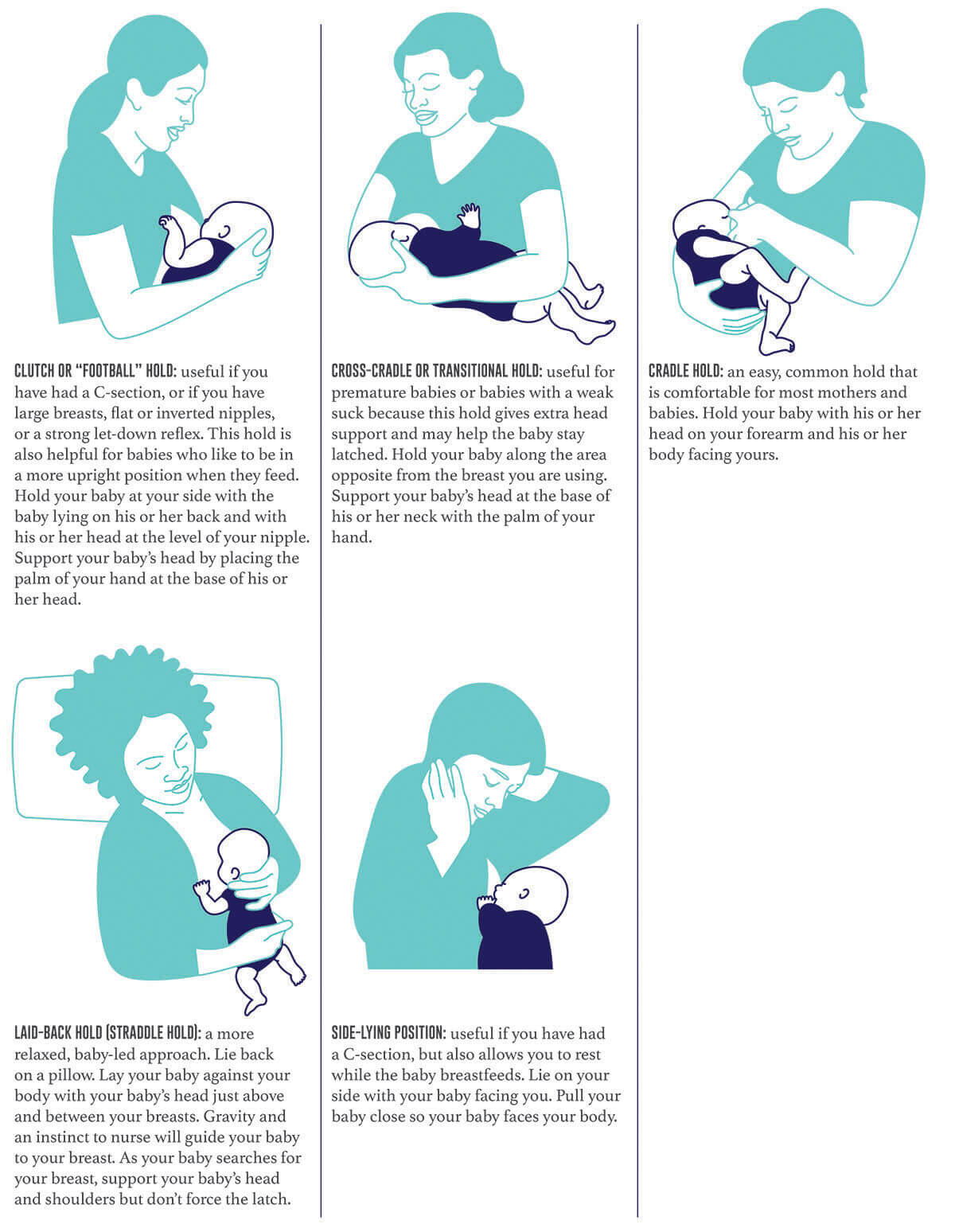
- Adjust your position. A closer hold may give your baby less room to reach your face.
- Reduce distractions. Try a quiet, dim room if your baby is turning, reaching, or pulling off.
- Pause if needed. If your baby is no longer actively feeding, offer a short break and try again.
Avoid tying your baby’s hands down or covering the hands in a way that could restrict movement or breathing. Babies need free movement during feeding.
If your baby pinches, scratches, or pulls
Use a clear, steady limit. You can gently remove the hand and say, “I won’t let you scratch.” Then offer your finger or help your baby hold the breast safely.
If the behavior continues, unlatch your baby with a clean finger at the corner of the mouth. Wait briefly, then offer the breast again. This teaches a limit without frightening your baby.

How Your Baby’s Age Can Change the Behavior
The reason for face grabbing may shift as your baby grows.
| Baby’s stage | What face grabbing may reflect |
|---|---|
| Newborn period | Reflexive movement, closeness, or a need for support |
| Around 2 to 4 months | Growing awareness of faces and touch |
| Around 4 to 8 months | Exploration, social interaction, or teething |
| Around 8 to 12 months | Communication, distraction, or a wish to control the interaction |
| Toddler period | Comfort, connection, habit, or a clear request for attention |
These age ranges are broad. Babies develop at different rates. A behavior that appears early or late is not automatically a concern.
As babies get older, they may also become more distracted while breastfeeding. They may nurse for a short time, sit up, look around, and then return. This does not always mean they are ready to wean.

Could Face Grabbing Mean My Baby Is Not Getting Enough Milk?
Face grabbing alone is not a reliable sign of low milk supply. Babies may grab when milk supply is normal and feeding is going well.
To assess whether your baby is getting enough milk, consider several signs together:
- Your baby swallows during active feeding.
- Your baby has an age-appropriate number of wet diapers.
- Your baby shows normal alertness between feeds.
- Your baby gains weight as expected.
- Your health care professional is satisfied with growth and feeding.
Newborn diaper patterns change during the first days of life. For specific guidance, use your pediatrician’s advice and a trusted breastfeeding professional. The Centers for Disease Control and Prevention and the American Academy of Pediatrics recommend monitoring feeding, diaper output, and growth rather than judging intake from one behavior.
Do not start supplements, change feeding schedules, or use products marketed to increase milk supply based only on face grabbing. First identify whether there is an actual feeding concern.

When Should You Call a Pediatrician or Lactation Professional?
Seek help if face grabbing occurs with signs that your baby is not feeding well or is unwell.
Call your baby’s health care professional promptly if your baby:
- Has fewer wet diapers than expected
- Is difficult to wake for feeds
- Refuses several feeds
- Vomits repeatedly or has green vomit
- Has trouble breathing
- Has a fever, especially during the newborn period
- Is not gaining weight as expected
- Shows signs of dehydration, such as a very dry mouth or unusual sleepiness
Contact a lactation professional if you have ongoing nipple pain, damaged skin, repeated clicking, frequent choking, or concern about milk transfer.
For urgent symptoms, use emergency care. In the United States, call 911 for serious breathing trouble, blue or gray skin, severe unresponsiveness, or another emergency.

Common Mistakes to Avoid
Do not assume every touch has one meaning
Face grabbing can mean comfort, play, tiredness, teething, or simple exploration. Watch what happens before and after the behavior.
Do not force your baby’s hands away
Repeatedly pushing the hands away may lead to more reaching. Gentle guidance usually works better.
Do not ignore painful feeding
Face grabbing may be normal, but pain, poor latch, or repeated pulling off deserves attention. Breastfeeding should not remain painful throughout the feed.
Do not use harsh discipline
A young baby cannot understand punishment for touching your face. Calm limits and redirection are more suitable.
Do not judge milk supply from breast fullness
Breasts often feel softer after the early weeks of breastfeeding. Soft breasts do not automatically mean low supply. Diapers, swallowing, growth, and feeding behavior together give better information.
Frequently Asked Questions
Why does my baby pinch me while breastfeeding?
Pinching may come from exploration, teething, self-soothing, or an attempt to stay alert. Move the hand gently, offer a finger to hold, and set a calm limit if it hurts.
Why does my baby slap my face while nursing?
Slapping may happen when a baby is excited, tired, distracted, or trying to get your attention. Reduce stimulation and guide the hand to a safe place.
Why does my baby touch my mouth while breastfeeding?
Your mouth moves, makes sounds, and is close to the breast. Your baby may be exploring your face or trying to engage with you.
Should I stop my baby from grabbing my face?
Not unless the behavior hurts, interferes with feeding, or bothers you. If you want to stop it, redirect the hand gently rather than restraining it.
Does face grabbing mean my baby is ready to stop breastfeeding?
No. Face grabbing does not show that a baby is ready to wean. Weaning is a gradual process that varies by family and child.
Why does my baby grab my face and then pull off the breast?
Your baby may be distracted, tired, uncomfortable, or reacting to a fast or slow milk flow. Check the latch, reduce distractions, and watch for coughing, clicking, poor diaper output, or poor weight gain.

Key Takeaways
- Babies often grab a parent’s face while breastfeeding because they want closeness, comfort, attention, or sensory input.
- The behavior is usually normal when feeding, growth, diapers, and comfort are on track.
- Gentle redirection can help if the grabbing hurts or distracts your baby.
- Face grabbing alone does not prove low milk supply or a feeding problem.
- Seek professional help for poor weight gain, dehydration signs, persistent pain, choking, repeated vomiting, or trouble breathing.
Conclusion
Your baby’s hands are part of the breastfeeding experience. Face grabbing often shows curiosity, connection, or a need for comfort. If your baby is feeding well and growing normally, you can usually respond with patience and gentle guidance.
If the behavior comes with feeding trouble or illness, contact your pediatrician or an IBCLC. The most useful next step is to observe the whole feed—not just where your baby’s hands go.