Why Do Babies Scream: Causes And Soothing Tips

Introduction
Babies scream because crying is their main way to signal a need, discomfort, or overload. Hunger, a wet diaper, tiredness, gas, heat, cold, illness, and the need for comfort are common causes. Some babies also cry more during the first few months of life, even when parents meet every need.
For families in the United States, most sudden crying is not a sign of an emergency. Still, a baby who cries in a new, severe, or unusual way may need medical care. The key is to look for other signs, check basic needs, try calm soothing steps, and know when to call a pediatrician or 911.

Why do babies scream?
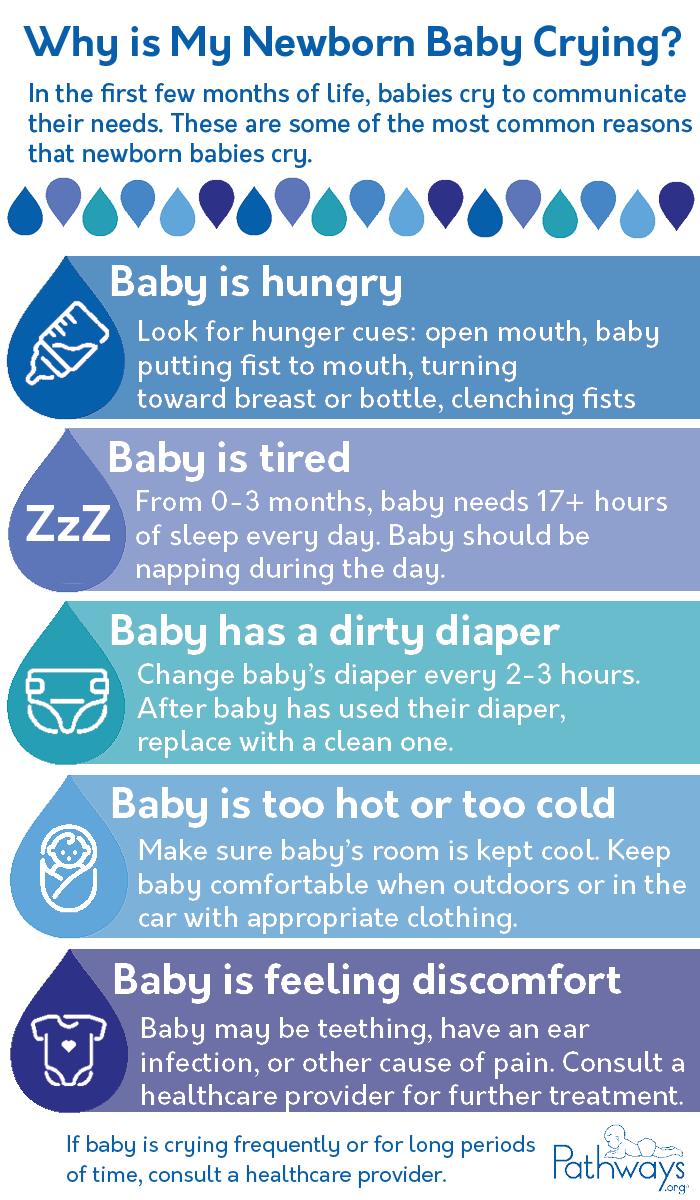
Babies scream when they need help regulating their body or when they cannot communicate in another way. A baby may cry because of a basic need, physical discomfort, too much stimulation, or a health problem.
Common reasons include:
- Hunger or a feeding problem
- A wet or dirty diaper
- Tiredness or trouble falling asleep
- Gas, reflux, or constipation
- Being too hot or too cold
- A tight piece of clothing or a hair wrapped around a toe
- Loud noise, bright light, or too much handling
- Needing to be held or comforted
- Pain or illness
- Normal crying that peaks during early infancy
Crying does not always mean that a parent has done something wrong. Babies have immature nervous systems. They can move from calm to very upset in a short time, especially when they are tired or overstimulated.
Crying is a form of communication
A baby’s cry may sound different from one episode to another. A hungry cry may build slowly. A tired baby may fuss, turn away, or rub the eyes. Pain can cause a sudden, sharp, or unusual cry.
These patterns are clues, not reliable diagnoses. A parent should consider the whole picture, including feeding, breathing, alertness, temperature, stool, urine, and behavior between cries.
Common causes of intense crying
Hunger or feeding trouble
Hunger is one of the most common causes of crying. Early hunger signs can include lip smacking, rooting, sucking on hands, and moving the head from side to side. Crying is often a late hunger cue.
If a baby screams during or after feeds, the cause may be more than hunger. Possible issues include:
- A poor latch during breastfeeding
- A nipple flow that is too fast or too slow
- Swallowing air
- Overfeeding
- Milk coming back up after a feed
- Difficulty coordinating sucking, swallowing, and breathing
A lactation consultant, pediatrician, or feeding specialist can help assess repeated feeding problems. Do not force a baby to finish a bottle.
Tiredness and overtiredness
A tired baby may become harder to settle. Early signs include staring, yawning, reduced movement, looking away, and fussing. If the baby stays awake too long, the crying may become intense.
Try a calm sleep routine before the baby becomes very upset. Lower the lights, reduce noise, and use slow movements. Place the baby on their back on a firm, flat sleep surface when it is time to sleep.
Gas, reflux, or constipation
Babies may cry while passing gas or having a bowel movement. Some also spit up small amounts after feeding. This can be normal when the baby is growing well and otherwise looks comfortable.
Call the baby’s pediatrician if crying occurs with repeated vomiting, poor feeding, blood in the stool, a swollen belly, poor weight gain, or fewer wet diapers. Do not give water, gripe water, herbal products, or medicine unless a health professional recommends it.
Overstimulation
Bright lights, loud sounds, visitors, screens, and frequent handling can overwhelm a young baby. The baby may turn away, stiffen, wave the arms, or cry.
Move the baby to a quiet room. Hold them close, speak softly, and reduce activity. Some babies settle with gentle rocking, while others need less movement and more stillness.
Physical discomfort
Check for simple sources of pain or irritation:
- A wet or soiled diaper
- A scratchy tag or tight clothing
- A room that feels too hot or cold
- A rash
- A small object pressing against the skin
- A hair wrapped around a toe, finger, or penis
- A pinched area of skin in a diaper or clothing fold
Check fingers, toes, and the genital area in good light. A hair tourniquet can reduce blood flow and needs prompt medical attention.
How to calm a screaming baby
Start with the safest and simplest checks. You do not need to try every method at once.
- Pause and observe. Look at the baby’s color, breathing, movement, and level of alertness.
- Check basic needs. Offer a feed if hunger is likely, change the diaper, and check clothing and temperature.
- Reduce stimulation. Dim the lights and lower noise.
- Hold the baby safely. Support the head and neck. Try skin-to-skin contact if the baby is awake and an adult is alert.
- Use gentle rhythm. Slow rocking, walking, humming, or soft white noise may help.
- Burp during and after feeds. Keep the baby upright for a short time after feeding if advised by the pediatrician.
- Offer a pacifier if appropriate. A pacifier may soothe some babies. Breastfed babies may need time to establish feeding before regular pacifier use.
- Try a safe swaddle for a young baby. The baby must sleep on the back, and swaddling must stop as soon as the baby shows signs of rolling.
- Place the baby down safely if needed. If crying continues, put the baby on their back in an empty crib or bassinet and take a short break.
Never shake, hit, jerk, or throw a baby. Never cover the baby’s face or use weighted blankets, pillows, loose bedding, or sleep positioners. These actions can cause serious injury or suffocation.
What if soothing does not work?
Some crying will not stop right away. A calm adult may not be able to make the baby quiet, but they can keep the baby safe.
If you feel angry, trapped, or close to losing control:
- Put the baby on their back in a safe crib or bassinet.
- Leave the room for a few minutes.
- Take slow breaths or call someone you trust.
- Ask another adult to take over if possible.
- Call the 988 Suicide & Crisis Lifeline if you fear you may harm yourself or someone else.
- Call 911 if the baby is in immediate danger.
The American Academy of Pediatrics and the National Center on Shaken Baby Syndrome both stress that shaking can cause brain injury or death. Crying is difficult, but it is never a reason to shake a baby.

When is a baby’s screaming an emergency?
Call 911 in the United States if a baby:
- Has trouble breathing, stops breathing, or turns blue, gray, or very pale
- Is choking and cannot breathe or cry
- Has a seizure
- Is unresponsive or very difficult to wake
- Has severe bleeding
- Has a serious injury or may have been shaken
- Has sudden swelling of the face, lips, or tongue with breathing trouble
- Has a severe allergic reaction
For a baby younger than 3 months, a rectal temperature of 100.4°F (38°C) or higher requires prompt medical evaluation. Contact the baby’s health care professional right away for instructions. Do not give fever medicine to a young baby unless a clinician tells you to do so.
A baby may also need urgent care for repeated vomiting, a hard or swollen abdomen, bloody stool, severe dehydration, or a sudden change in behavior.
Signs of possible dehydration
Call a pediatrician promptly if the baby has:
- Fewer wet diapers than usual
- A dry mouth
- No tears when crying after tears are normally present
- Unusual sleepiness or weakness
- Poor feeding
- A sunken soft spot on the head
The number of wet diapers varies with age and feeding, so a change from the baby’s normal pattern matters. A clinician can give more specific guidance.
When should you call the pediatrician?
Call the baby’s pediatrician if the crying is new, persistent, or difficult to explain, especially when the baby is not acting normally between episodes.
Contact the office if the baby:
- Cries for long periods every day
- Cries during most feeds
- Has a weak suck or refuses feeds
- Spits up often and seems to be in pain
- Has diarrhea, constipation, blood in the stool, or repeated vomiting
- Has a rash, swelling, or signs of injury
- Has fewer wet diapers
- Is not gaining weight as expected
- Has a hoarse, weak, or unusual cry
- Is younger than 3 months and seems sick, even without a measured fever
Keep a short record of feeding times, wet diapers, bowel movements, sleep, temperature, and when the screaming occurs. This can help the pediatrician identify a pattern.

Is it colic?
Colic is a term used for repeated crying in an otherwise healthy baby. It often starts in the first weeks of life and may improve by about 3 to 4 months. A baby with colic may cry for hours, often in the late afternoon or evening.
Colic is not a diagnosis that explains every episode of crying. Before using that label, a clinician may need to rule out feeding problems, infection, injury, reflux, constipation, and other causes.
There is no single treatment that works for every baby with colic. Helpful steps may include:
- Keeping a regular day and night routine
- Limiting overstimulation
- Offering calm holding and gentle movement
- Checking feeding technique
- Taking breaks so caregivers can rest
- Asking the pediatrician before trying probiotics, supplements, or special formulas
Avoid changing formulas repeatedly or removing foods from a breastfeeding parent’s diet without medical guidance. Those changes may not help and can create feeding or nutrition problems.

How normal crying changes with age
Crying often changes during the first year.
- Newborn period: Babies may cry because of feeding needs, wet diapers, temperature, or the transition to life outside the womb.
- Around 1 to 2 months: Crying may increase and can be hardest to predict.
- Around 3 to 4 months: Many babies become easier to soothe as sleep, feeding, and self-regulation develop.
- Later infancy: Crying may relate more to separation, frustration, teething, new motor skills, or illness.
These are broad patterns, not rules. A baby who suddenly cries much more than usual should still be assessed for illness or pain.
Common mistakes to avoid
Do not assume every cry is gas
Gas is common, but it does not explain every episode. Pain, infection, feeding trouble, and injury can look similar at first.
Do not use unsafe sleep products
A couch, adult bed, recliner, or padded chair is not a safe sleep space. If the baby falls asleep while being held, move them to a firm, flat, separate sleep surface when you can do so safely.
Do not give medicine without guidance
Babies need the correct medicine and dose for their age and weight. Avoid aspirin. Ask a pediatrician or pharmacist before giving acetaminophen or any other medicine.
Do not ignore your own limits
Caregiver exhaustion can become a safety risk. Asking for help is a protective step, not a failure.

Quick decision guide
| What you notice | What to do |
|---|---|
| Baby is feeding, breathing, and acting normally but is fussy | Check basic needs, reduce stimulation, and try gentle soothing |
| Crying repeats during or after feeds | Contact the pediatrician or a feeding specialist |
| Crying is sudden and unusual | Check for injury, hair wrapped around a body part, fever, and other illness signs |
| Baby is under 3 months with a temperature of 100.4°F (38°C) or higher | Seek prompt medical evaluation |
| Baby has breathing trouble, blue color, a seizure, or is unresponsive | Call 911 |
| You feel you may shake or hurt the baby | Put the baby safely in the crib, leave the room, and get immediate support |
Frequently asked questions
Why does my baby scream suddenly for no clear reason?
A baby may become overwhelmed, overtired, hungry, or uncomfortable very quickly. Sudden screaming can also signal pain or illness. Check breathing, color, temperature, feeding, the abdomen, fingers, toes, and diaper area. Call the pediatrician if the cry is unusual or continues.
Why does my baby scream at night?
Night crying may come from hunger, a wet diaper, tiredness, reflux, gas, or the normal development of day-night sleep patterns. Keep nighttime care quiet and dim. Seek medical advice if the baby seems ill or cannot be consoled.
Why does my baby scream while feeding?
Possible causes include a poor latch, fast milk flow, slow bottle flow, swallowed air, reflux, congestion, or an ear or mouth problem. Stop and reposition the baby. Contact a pediatrician or lactation professional if it happens often or affects feeding.
Can teething make a baby scream?
Teething can cause sore gums, drooling, and fussiness. It should not usually cause severe illness, breathing problems, or a high fever. Ask a pediatrician about safe pain relief. Do not use benzocaine gels or amber teething necklaces.
Should I let my baby cry?
A baby can be placed safely in a crib for a short break while a caregiver calms down. Whether to use a planned sleep-training method depends on the baby’s age, health, development, and family goals. Never leave a baby in an unsafe place or ignore signs of illness.
Conclusion
Babies scream because crying is their strongest way to communicate. Hunger, tiredness, overstimulation, gas, feeding trouble, discomfort, and normal early infancy crying are common causes.
Check the baby’s basic needs, lower stimulation, use gentle soothing, and protect safe sleep. Get medical help for fever in a young infant, breathing trouble, unusual behavior, poor feeding, dehydration, injury, or any cry that feels different from normal. If the crying overwhelms you, place the baby safely in the crib and step away while you get support.