
Why Do Babies Smell Good: The Science Behind It

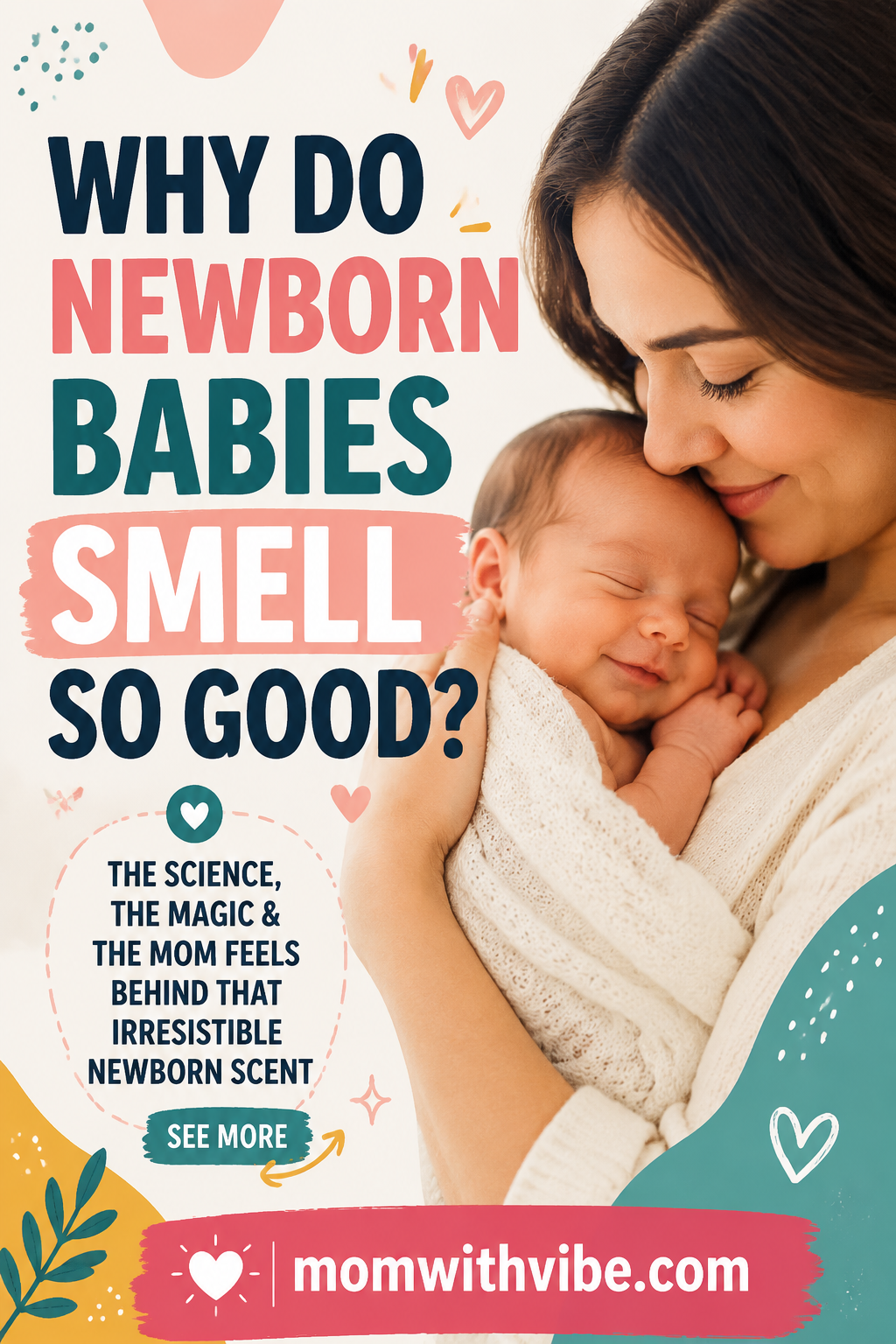
Babies often smell good because their skin carries a mix of natural oils, vernix, milk, and other mild compounds. Newborn scent may also affect an adult’s brain areas linked with pleasure, attention, and bonding. In the United States, many parents notice this smell most after a bath, feeding, or close cuddle—but the scent differs from one baby to another.
The smell is not caused by one magical ingredient. It comes from the baby’s skin, scalp, hair, clothing, and surroundings. A baby’s natural scent can also change as the skin microbiome develops and as the baby begins to sweat more.

What causes the newborn smell?
A newborn’s scent comes from several natural sources. The most important are the skin coating called vernix caseosa, skin oils, the developing skin microbiome, and traces of milk or formula.
Vernix caseosa
Vernix caseosa is the white, creamy coating that may cover a baby’s skin at birth. It contains water, fats, proteins, and skin cells. This coating helps protect the skin before and shortly after birth.
Some babies have more vernix than others. Babies born earlier in pregnancy often have more visible vernix, while babies born later may have less. Hospitals may gently wipe away some vernix, but care practices vary.
Vernix has a mild, waxy scent. It can mix with natural skin oils and create part of the smell that many adults call “new baby smell.”
Natural skin oils
Like adults, babies have sebaceous glands that make oil. These glands are especially active in some areas, such as the scalp, forehead, and nose.
Baby skin oil is not the same as adult skin oil in smell or amount. Still, it can add to the distinct scent around a baby’s head and hair. This is one reason parents may notice the smell most when they hold a baby close to their face.
The developing skin microbiome
The skin microbiome is the group of tiny organisms that normally live on the skin. These organisms help shape body odor by breaking down sweat, oils, and other skin substances.
A newborn’s skin microbiome is still developing. It changes with age, feeding, skin care, contact with caregivers, clothing, and the home environment. Because of this, a baby’s scent may become less “newborn-like” over time.
Milk, saliva, and the home environment
Breast milk, formula, saliva, laundry detergent, blankets, and a caregiver’s skin can all affect how a baby smells. A baby who has just fed may smell milky around the mouth, neck, or clothing.
These outside scents can blend with the baby’s natural odor. That does not mean the baby’s own scent has disappeared; it simply means smell is shaped by the whole environment.

Why does baby smell make adults feel good?
Baby smell may support attention and bonding. Research using brain imaging has found that the odor of newborn babies can activate reward-related brain areas in some adults, including women who were not the baby’s parent. One small study cannot explain every person’s reaction, but it supports the idea that newborn scent can have a strong emotional effect.
The response may have a practical purpose. A pleasant baby scent can draw an adult closer, encourage cuddling, and increase attention to the baby’s needs. Close contact also supports feeding, calming, and early social bonding.
Smell is closely linked to memory and emotion. A parent may later recognize a baby’s early scent as a powerful reminder of the first weeks of life. The feeling may come from both biology and experience: the brain links the scent with warmth, care, relief, and love.
Not every adult enjoys the same smell. Sleep loss, stress, allergies, illness, and personal preference can change how someone responds. A pleasant reaction is common, but it is not a measure of parental love or attachment.

Do breastfed babies smell different from formula-fed babies?
Some babies may smell different after feeding, but there is no reliable rule that all breastfed babies smell one way and all formula-fed babies smell another. A baby’s scent depends on many factors, including skin oils, spit-up, laundry products, milk residue, and the timing of a diaper change.
Breast milk can leave a mild, sweet, or milky scent on a baby’s skin and clothing. Formula can also leave a noticeable smell, especially after spit-up. These are feeding-related odors rather than proof of a fixed difference in a baby’s natural scent.
A baby’s stool can also vary with feeding. Breastfed stools often have a different smell from formula-fed stools. A sudden, strong change in stool odor matters more when it occurs with diarrhea, blood, vomiting, fever, poor feeding, or signs of dehydration.
Parents do not need to change feeding choices to create a certain smell. Feeding decisions should follow the baby’s needs and guidance from a pediatrician or other qualified clinician.

Why do babies smell good after a bath?
A baby may smell especially fresh after a bath because the bath removes sweat, spit-up, milk, and other substances from the skin. Clean clothing, towels, and blankets can add to the effect.
The pleasant smell after a bath often comes from the baby’s clean skin rather than from soap. Fragranced products can irritate sensitive skin and may make it harder to tell whether a new rash comes from the product or another cause.
For most newborns, frequent full baths are not needed. The American Academy of Pediatrics advises gentle bathing practices and recommends keeping the umbilical cord area clean and dry while it heals. Local hospital instructions may differ, so parents should follow the baby’s discharge guidance.
A simple routine is usually enough:
- Use warm, not hot, water.
- Support the baby’s head and neck.
- Use a mild, fragrance-free cleanser only when needed.
- Clean skin folds gently.
- Pat the skin dry instead of rubbing.
- Keep the umbilical stump dry unless a clinician gives different instructions.
- Stop if the baby becomes cold, distressed, or unusually sleepy.
Never leave a baby alone in a bath, even for a moment. A small amount of water can become dangerous very quickly.
Is it safe to use scented products on a baby?
Fragrance is not needed to make a baby smell good. A baby’s natural scent is normal, and scented lotions, powders, oils, wipes, and sprays may irritate delicate skin.
The American Academy of Pediatrics and the American Academy of Dermatology commonly recommend gentle skin care for infants. Fragrance-free products are often a sensible choice, especially for babies with eczema, dry skin, or a family history of sensitive skin.
Avoid putting perfume or essential oils on a baby. Essential oils are highly concentrated and can irritate the skin or cause harm if swallowed. Do not use talcum powder because inhaled powder can damage a baby’s lungs. Some cornstarch-based powders can also create problems if inhaled or if they support yeast growth in moist skin folds.
A safer approach is to keep the baby clean, dry, and comfortable. Wash clothing with a mild, fragrance-free detergent if the baby develops irritation. Introduce only one new skin product at a time so you can identify a possible trigger.

When should a baby’s smell concern a parent?
A normal newborn scent is usually mild. A strong or unusual odor does not always signal a health problem, but it deserves attention when it comes with other symptoms.
Contact a pediatrician if a baby has a persistent unusual smell along with:
- Poor feeding or trouble waking for feeds
- Vomiting or repeated diarrhea
- Fever or an unusually low temperature
- Fewer wet diapers
- A spreading rash
- Redness, swelling, warmth, bleeding, or pus around the umbilical stump
- Trouble breathing
- Unusual sleepiness or weakness
Seek urgent medical help for breathing trouble, blue or gray skin, severe dehydration, a seizure, or a baby who is difficult to wake.
A sour or musty smell may come from milk trapped in neck folds or from damp clothing. A foul smell from the umbilical cord area can be a sign of infection, especially with redness, swelling, pus, or fever. Clean the area only as directed by the baby’s clinician.
Do not try to cover a concerning odor with perfume, lotion, or essential oils. First check the diaper, clothing, skin folds, bedding, and feeding residue. If the smell remains or the baby seems unwell, call the child’s pediatrician.

How long does the newborn smell last?
The strongest newborn scent often fades during the first weeks or months, but there is no exact schedule. It changes as vernix disappears, the skin microbiome develops, feeding changes, and the baby begins to sweat more.
Some parents notice the scent around the scalp and hair for longer than on the rest of the body. Others notice it on clothing or blankets rather than directly on the skin.
The smell may also seem different after illness, a change in detergent, a new skin product, or the start of solid foods. These changes are usually normal when the baby is eating well, growing, and acting as usual.

Common myths about baby smell
Myth: Newborn smell comes only from amniotic fluid
Amniotic fluid may affect a baby’s scent just after birth, but it is only one possible factor. Vernix, skin oils, milk, clothing, and skin microbes also contribute.
Myth: All babies smell the same
Babies have individual scents. Birth timing, skin care, feeding, environment, and genetics can all affect how a baby smells.
Myth: A baby must smell sweet to be healthy
Healthy babies do not all smell sweet. A mild natural odor is normal, and smell alone cannot assess health, nutrition, or development.
Myth: Perfume makes a baby smell cleaner
Perfume changes the smell but does not clean the skin. It may irritate the baby or cover an odor that needs medical attention.
Myth: Enjoying a baby’s smell proves bonding
Many caregivers enjoy newborn scent, but people respond differently. Bonding develops through repeated care and interaction, not through one sensory response.

Frequently asked questions
Why do babies smell good on the top of the head?
The scalp has oil glands, hair, skin cells, and natural microbes. These factors can create a distinct scent around the head. Milk, sweat, shampoo, and blankets may add to it.
Why does my baby smell sour?
A sour smell may come from milk, spit-up, saliva, sweat, or moisture in the neck folds. Clean and dry the area gently. If the smell persists or comes with redness, rash, fever, poor feeding, or unusual behavior, contact a pediatrician.
Why does my baby smell like cheese?
A cheesy smell can develop in warm, moist skin folds, such as the neck, armpits, or groin. Check for trapped milk, dampness, irritation, or a rash. Persistent odor, redness, broken skin, or discharge should be assessed by a clinician.
Can a baby’s smell help with bonding?
It may. Newborn odor can draw caregivers close and may activate reward-related brain systems. Bonding also depends on touch, voice, eye contact, feeding, and consistent care.
Should I wash away the newborn smell?
You do not need to wash away a normal newborn scent. Use gentle bathing and fragrance-free skin care. Follow medical instructions for the umbilical cord and seek advice if the smell becomes foul or comes with illness.
Key takeaways
- Babies smell good because of a mix of vernix, skin oils, skin microbes, milk, clothing, and surroundings.
- Newborn scent may encourage attention and bonding in some adults.
- The smell is personal and changes over time.
- Fragrance and essential oils are not needed for infant skin care.
- A foul odor with fever, poor feeding, redness, swelling, pus, or unusual sleepiness needs medical attention.
- Keep the baby clean and dry, use gentle products, and contact the pediatrician when an odor seems persistent or abnormal.
Conclusion
The familiar newborn smell is a natural blend of the baby’s skin, early protective coating, feeding, and environment. It may feel powerful because smell connects closely with emotion, memory, and caregiving.
Enjoying that scent is safe when it comes from normal skin and clean clothing. Avoid trying to create it with perfume or essential oils. If the odor becomes strong, foul, or linked with other symptoms, check the baby’s skin and contact a pediatrician.


