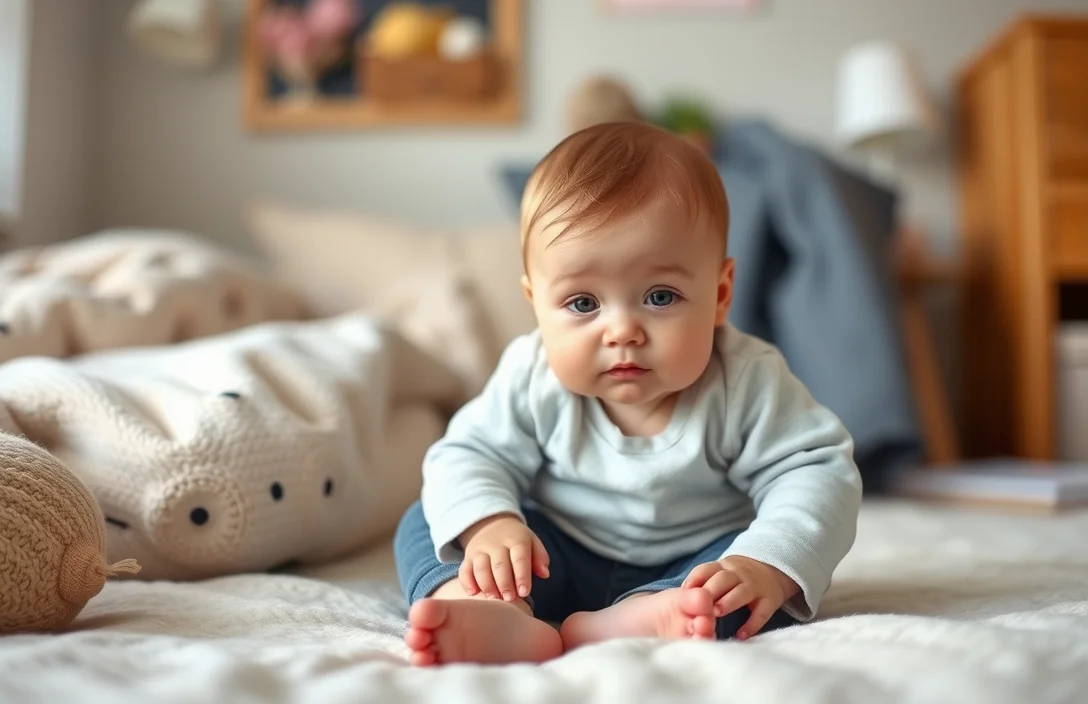
Every parent knows that a nervous baby can create a challenging situation. Understanding the cause of their distress and how to soothe them effectively is essential for a peaceful environment. Knowing how to calm your little one can transform tears into smiles and create a sense of security.
To calm a nervous baby, focus on gentle rocking, soft sounds, and skin-to-skin contact. Creating a consistent routine helps babies feel safe, while swaddling can provide comfort. Always be patient and observant to identify what works best for your baby.
undefined
Understanding the causes of a baby’s nervousness is essential for effective calming strategies. Babies may become anxious due to various factors such as hunger, fatigue, overstimulation, or changes in their environment. Identifying these triggers is the first step toward soothing your baby.
Observe your baby’s behavior closely. Look for signs like fussiness, clenching of fists, or turning away from stimuli. These indicators can help you determine the root cause of their distress. For example, if your baby is yawning or rubbing their eyes, they may be tired. If they are crying and arching their back, they could be hungry or uncomfortable.
Creating a calm environment is also crucial. Dim the lights, reduce noise levels, and eliminate unnecessary distractions. A consistent routine can provide security and predictability, helping to ease your baby’s anxiety. Pay attention to your baby’s cues and respond with gentle reassurance to create a sense of safety and comfort.
undefined
Creating a calming environment is essential for soothing a nervous baby. This section focuses on practical steps to establish a space that promotes relaxation and comfort. By making adjustments to the surroundings, you can significantly impact your baby’s mood and sense of security.
Start by reducing noise levels. Loud sounds can be overwhelming for infants. Use soft music or white noise machines to provide a gentle auditory backdrop. Dim the lights to create a tranquil atmosphere; bright lights can be stimulating and distressing. If possible, use blackout curtains to help regulate light exposure during nap times.
Ensure the room temperature is comfortable. Babies are sensitive to temperature changes; a room that is too hot or too cold can cause distress. Aim for a temperature between 68°F to 72°F (20°C to 22°C). Dress your baby in layers so you can easily adjust their clothing as needed.
Make use of calming colors in the baby’s environment. Soft pastels or neutral tones can create a peaceful vibe. Avoid overly bright or contrasting colors that might be visually stimulating. Adding elements like soft textures in blankets or toys can also help create a comforting space.
undefined
Creating a soothing environment is crucial for calming a nervous baby. The surroundings can significantly impact a baby’s comfort level, and making adjustments can help ease their anxiety. Focus on minimizing stressors and enhancing comfort through simple changes.
Start by ensuring the room is quiet and free from loud noises. Consider using soft lighting or a nightlight to create a calming atmosphere. Bright lights and sudden sounds can startle a baby and contribute to their nervousness. Additionally, maintain a comfortable temperature; neither too hot nor too cold, as discomfort can heighten anxiety.
Introduce gentle background noise such as white noise machines or soft music. These sounds can mimic the womb environment and provide a sense of security. If using music, opt for lullabies or soft instrumental pieces that can help soothe rather than stimulate.
Make sure the baby’s sleeping area is cozy. Use soft blankets and ensure they are swaddled comfortably, as this can provide a sense of security. Keep the environment familiar, with items that have their scent or the scent of caregivers, which can be reassuring.
undefined
Creating a calming environment for your baby is essential in reducing their nervousness. This section will provide practical tips on how to make the surroundings more soothing. By adjusting the atmosphere, you can help your baby feel more secure and relaxed.
Begin by dimming the lights in the room. Bright, harsh lighting can be overwhelming for a nervous baby. Soft, warm lighting creates a gentle atmosphere that promotes calmness. Using curtains or shades can help control natural light during the day.
Sound also plays a crucial role in creating a peaceful environment. Soft, soothing music or white noise can drown out sudden, jarring sounds that might startle your baby. Consider using a white noise machine or a fan to maintain a consistent sound that can be comforting.
Temperature is another factor to consider. Ensure that the room is at a comfortable temperature, not too hot or too cold. A cozy, warm environment can help your baby feel secure.
Lastly, keep the space free from clutter. A tidy, organized room can contribute to a sense of peace. Reduce visual distractions and ensure that your baby’s sleeping area is comfortable and inviting.
undefined
Creating a soothing environment can significantly help calm a nervous baby. This step focuses on adjusting the surroundings to promote relaxation and comfort. By making small changes in the baby’s environment, you can create a space that encourages tranquility.
Start by dimming the lights in the room. Bright lighting can be overstimulating for babies, so using soft, warm lighting can create a more calming atmosphere. You can also consider using blackout curtains if it’s daytime, which can help reduce distractions from outside.
Sound plays a vital role in calming a nervous baby. Soft, gentle music or white noise machines can drown out sudden noises that might startle the baby. Alternatively, you can create soothing sounds by softly humming or singing to your baby, which can provide comfort and security.
Another effective strategy is to maintain a comfortable room temperature. Babies can be sensitive to heat and cold, so ensuring the environment is neither too hot nor too cold can help them feel more at ease. Dress your baby in light, breathable fabrics for added comfort.
Lastly, consider incorporating familiar scents. If your baby has a favorite blanket or a piece of clothing that smells like you, having it nearby can provide reassurance and comfort. This combination of environmental adjustments can help create a peaceful space for your nervous baby.
undefined
Understanding the importance of a routine can significantly help in calming a nervous baby. Establishing a consistent daily schedule provides a sense of security and predictability, which can ease anxiety. Babies thrive on routines as they create a familiar environment where they know what to expect.
Start by setting regular times for feeding, napping, and play. Consistency in these activities reassures the baby, helping them feel more secure. For example, if your baby has a bath every evening around the same time, they will begin to associate that time with comfort and relaxation.
Incorporate calming activities into the routine, such as gentle rocking or reading a story before bed. This not only signals that it’s time to wind down but also engages the baby in soothing interactions. Try to keep the environment calm during these times, reducing noise and distractions, which can overwhelm a nervous baby.
Adjust the routine as needed based on your baby’s reactions. If certain times seem to cause more anxiety, consider shifting them slightly. Flexibility within the structure can help maintain a sense of security while accommodating the baby’s needs.
undefined
Creating a calming environment is essential for soothing a nervous baby. This section focuses on practical strategies to set up a space that promotes relaxation and comfort. Implementing these tips can help your baby feel secure and at ease.
Start by dimming the lights in the room. Soft, ambient lighting can create a peaceful atmosphere, reducing overstimulation. Consider using blackout curtains to block out harsh sunlight or distractions from outside. Additionally, maintain a comfortable temperature; a slightly cooler room may help your baby sleep better and feel more relaxed.
Sound is another crucial factor. Gentle background noise, such as white noise machines or lullabies, can mask sudden sounds that might startle your baby. If your baby enjoys certain types of music, play them softly to create a soothing ambiance.
Finally, keep the environment free from clutter. A tidy space can help reduce anxiety for both you and your baby. Ensure that toys and other items are organized and that the area is clean, which can contribute to a more calming atmosphere.
undefined
Creating a calming environment is essential in soothing a nervous baby. This section focuses on practical strategies to establish a peaceful atmosphere that can help reduce anxiety and promote relaxation. Implementing these methods can significantly impact your baby’s comfort and emotional well-being.
Start by ensuring the room is quiet and free of distractions. Dim the lights to create a soft, inviting space. Soft music or white noise can also help mask abrupt sounds that may startle your baby. Consider using a gentle sound machine or a fan to provide a consistent background noise.
Temperature plays a crucial role in comfort. Ensure the room is at a comfortable temperature, neither too hot nor too cold. Swaddling your baby can provide a sense of security, mimicking the closeness of being in the womb. Use a lightweight blanket for swaddling to prevent overheating.
Incorporate soothing scents into the environment. Lavender and chamomile are known for their calming properties. You can use a diffuser with essential oils, but ensure that the scents are not too strong for your baby’s sensitive nose. Always check for any allergies before introducing new scents.
Lastly, maintain a consistent routine. Predictability can help reduce anxiety. Establish regular feeding, nap, and play times to create a sense of security for your baby.
undefined
The final step in calming a nervous baby involves ensuring that you maintain a calm and positive atmosphere. Babies are highly attuned to their caregivers’ emotions, and your demeanor can greatly influence their comfort level. Here are some effective strategies to create a soothing environment.
Establish a consistent routine. Predictability helps babies feel secure. Try to keep feeding, nap, and playtimes consistent. This familiarity can reduce anxiety and promote relaxation.
Consider the sensory environment. Dim the lights, minimize loud noises, and keep the room at a comfortable temperature. Soft, gentle music or white noise can also create a calming backdrop.
Engage in gentle touch. Holding your baby close, softly stroking their back, or giving them a gentle massage can provide reassurance and help them feel safe.
Lastly, don’t forget to take care of yourself. Your stress levels can significantly impact your baby’s mood. Practicing your own self-care, whether through short breaks or relaxation techniques, can help you remain calm and effectively support your baby.
Quick Summary
- Establish a soothing environment with dim lighting and soft sounds.
- Use gentle rocking or swaying motions to help comfort the baby.
- Swaddle the baby snugly in a soft blanket for a sense of security.
- Offer a pacifier or their favorite toy to provide distraction and comfort.
- Maintain a calm demeanor, as babies can sense their caregiver’s stress.
- Experiment with white noise or lullabies to create a calming atmosphere.
- Be patient and responsive to the baby’s needs, adjusting techniques as necessary.
Frequently Asked Questions
1. What are some signs that my baby is nervous?
Common signs of a nervous baby include excessive crying, clenching of fists, arching their back, or turning their head away. They may also appear more sensitive to sounds or movements in their environment.
2. How can I create a calming environment for my baby?
To create a calming environment, dim the lights, reduce noise levels, and maintain a comfortable temperature. Soft music or white noise can also help soothe your baby and provide a sense of security.
3. What techniques can I use to soothe my nervous baby?
Gentle rocking, swaddling, or holding your baby close can provide comfort. Additionally, offering a pacifier or engaging in skin-to-skin contact can help calm their nerves and promote relaxation.
4. Should I talk to my baby when they are nervous?
Yes, speaking softly and reassuringly to your baby can be very comforting. Use a calm and soothing tone to help them feel safe and secure during nervous moments.
5. When should I seek help for my baby’s nervousness?
If your baby’s nervousness persists, worsens, or is accompanied by other concerning symptoms like feeding difficulties or sleep disturbances, it’s a good idea to consult a pediatrician. They can provide guidance and check for any underlying issues.