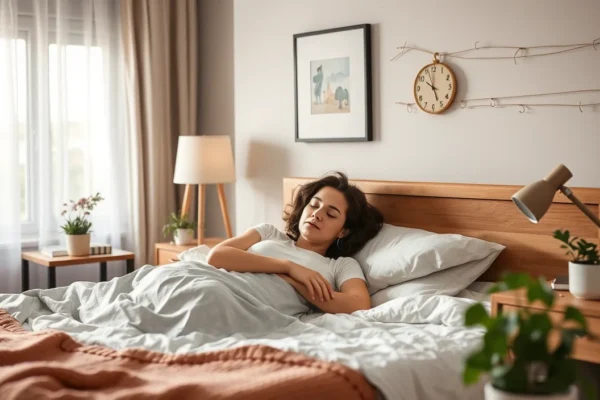
You lie down. The room is dark. The clock reads 11:47 p.m. But your mind is still running board meetings, replaying conversations, and cataloging tomorrow’s worries. If falling asleep feels like a nightly battle you keep losing, you are not alone and you are not imagining the problem.
According to the American Sleep Association, between 50 and 70 million adults in the United States struggle with a sleep disorder. In Canada, roughly one in three adults reports insufficient sleep on a regular basis. In Austria, studies suggest nearly 30 percent of the population experiences chronic sleep difficulties. These are not small numbers. They represent millions of people reaching for antihistamines, melatonin gummies, or prescription sleep aids, often with side effects they did not sign up for.
Essential oils offer something different: a centuries-old, plant-based tool that modern science is now validating through randomized controlled trials, systematic reviews, and brain activity studies. This is not aromatherapy folklore. The clinical evidence behind specific essential oils for sleep and relaxation has grown significantly in recent years, and it points toward real, measurable neurological effects on stress hormones, brain wave activity, and autonomic nervous system function.
This guide is written for people in the USA, Canada, and Austria who want to use essential oils safely, strategically, and with an understanding of what the science actually supports. Whether you are a first-time buyer or someone who has dabbled without much success, this article gives you everything you need to choose, use, and benefit from the best essential oils for sleep and relaxation.
What this guide covers:
- The top seven essential oils proven to support sleep and relaxation
- Exactly how essential oils interact with the nervous system and brain
- Which oils are best for specific problems including insomnia, anxiety, and stress
- How to use essential oils safely through diffusion, topical use, and inhalation
- A clear comparison table of oils, their active compounds, and documented benefits
- Buyer guidance tailored for shoppers in the USA, Canada, and Austria
- Honest safety information including who should avoid certain oils
How Essential Oils Actually Work for Sleep
Essential oils improve sleep and relaxation by directly influencing the brain’s limbic system, autonomic nervous system, and neurochemical pathways. When inhaled, volatile compounds enter the bloodstream through the lungs and interact with receptors governing mood, stress, and sleep.
Essential oils can act through various mechanisms to promote relaxation and stress relief, thereby potentially improving sleep quality and alleviating insomnia symptoms. They modify acetylcholinesterase activity, reduce neuroinflammation, influence serotonin and gamma-aminobutyric acid in the nervous system, reduce anxiety, and produce calmness in the body. Frontiers
This is not a vague, feel-good effect. It is measurable neuroscience. When you inhale a scent, olfactory receptors send signals directly to the amygdala and hippocampus, the brain regions responsible for emotional processing and memory. This pathway bypasses the blood-brain barrier in a way most oral supplements do not. The result is a faster, more direct effect on mood and stress than many people expect.
Aromatherapy improves sleep quality and reduces stress, pain, anxiety, depression, and fatigue in adults and elderly people, ScienceDirect according to a systematic review and meta-analysis published in a peer-reviewed journal. This broad finding, confirmed across multiple populations and study types, provides the scientific framework for understanding why specific essential oils reliably help people sleep better.
The two primary modes of action are:
GABA pathway activation. Several essential oils, especially lavender, activate gamma-aminobutyric acid receptors in the brain. GABA is the primary inhibitory neurotransmitter, meaning it reduces neural excitability and promotes the transition from wakefulness to sleep. This is the same pathway targeted by benzodiazepine drugs, but without the dependency risk.
Sympathetic nervous system downregulation. Inhaling calming essential oils shifts the body from its sympathetic “fight or flight” state toward parasympathetic “rest and digest” mode. Heart rate slows, cortisol production decreases, and the body becomes physically prepared for sleep.
The 7 Best Essential Oils for Sleep and Relaxation
The following oils have the strongest evidence base for sleep and relaxation benefits. Each entry includes the active compounds responsible for its effects and what the research shows.
Lavender Oil: The Most Researched Sleep Aid
Lavender essential oil is, without question, the most extensively studied essential oil for sleep. Lavender oil is highlighted for improving sleep efficiency and reducing nighttime awakenings Healthline across multiple populations including postmenopausal women and palliative care patients.
The active compounds responsible are linalool and linalyl acetate. The primary bioactive constituents, linalool and linalyl acetate, may enhance sleep quality by entering the circulatory system through inhalation and modulating the GABAergic, cholinergic, histaminergic, and monoaminergic pathways in the limbic system. Mulberry Park Silks
A 2024 meta-analysis found that aromatherapy demonstrated effectiveness in improving sleep quality among older adults with a standardized mean difference of negative 1.02. Subgroup analysis found lavender as the sole aroma was particularly effective, with an SMD of negative 1.39, and significant effects on both anxiety and depression were also observed. Sleep Foundation
In a randomized controlled trial of postmenopausal women with insomnia diagnoses, all participants benefited in almost all domains of quality of life and in self-assessed total sleep time and sleep efficiency. The aromatherapy group achieved a significant improvement in their overall quality of life score over time. MYK Silk
A randomized controlled trial found that lavender combined with sleep hygiene significantly improved sleep quality for college students with self-reported sleep issues, with an effect remaining at follow-up. Participants in the lavender group also reported waking feeling more refreshed. Silkbiotic
Best for: General insomnia, anxiety-driven sleeplessness, postmenopausal sleep disruption, older adults, college-age adults
Bergamot Oil: The Stress-Relieving Sleep Promoter
Bergamot essential oil is cold-pressed from the rind of the Citrus bergamia fruit and contains high concentrations of linalool and limonene. Despite its citrusy, uplifting scent, bergamot is documented as a sedative and anxiolytic rather than a stimulant.
A randomized crossover trial found that using bergamot essential oil before bedtime helps relax the mind and body and provides sound sleep. It also improves mood and wakefulness when used upon awakening, and it is expected to relieve psychological stress and improve sleep quality and morning wakefulness. Journal of Clinical Sleep Medicine
Studies showed that essential oil-based treatments using lavender, bergamot, cinnamon, and rosemary essential oils, alone or in combinations, could improve sleep quality, duration, and deprivation in healthy subjects and patients who suffer from sleep-related issues. PubMed
Research on older adults confirmed that essential oils including bergamot, characterized as anxiolytic, relaxing, and sleep-promoting, significantly improved sleep latency, reduced sleep disturbance, and enhanced well-being in feelings of refreshment, interest, and happiness. Taylor & Francis Online
Best for: Stress-related sleeplessness, mood disturbance before bed, people who prefer a lighter, fresher scent profile
Chamomile Oil: The Ancient Calming Remedy
Roman chamomile and German chamomile essential oils both have documented sedative properties, though they differ slightly in their chemical composition. The key compound responsible for chamomile’s calming effects is apigenin, a flavonoid that binds to benzodiazepine receptors in the brain, producing a mild sedative effect without the dependency risk of prescription medications.
Chamomile oil, recognized for its calming properties, shows promise in managing sleep issues linked to anxiety disorders. Healthline The 2024 mini-review analyzing research from 2020 to 2023 confirmed chamomile’s role as a complementary option for sleep improvement, particularly among people whose sleep difficulties are driven by anxiety.
Best for: Anxiety-related insomnia, people new to essential oils who want a gentle introduction, those who prefer a floral scent
Cedarwood Oil: The Underrated Sleep Oil
Cedarwood essential oil contains a high concentration of cedrol, a sesquiterpene compound with documented sedative and anxiety-reducing properties. Cedrol works through the serotonin pathway and influences the autonomic nervous system.
Research reviewed by the Sleep Foundation confirms that cedarwood oil containing cedrol has sedative effects, as demonstrated in behavioral pharmacology studies. Cedarwood is particularly popular in North America and is widely available across USA, Canada, and Austrian markets at accessible price points.
Best for: People who prefer earthy, woodsy scents, those who have not responded as strongly to floral oils, men who find lavender scent too traditionally “feminine” in character
Vetiver Oil: For Deep, Grounding Relaxation
Vetiver is extracted from the roots of the Vetiveria zizanioides grass and produces a thick, earthy, smoky oil that is considered one of the most grounding aromatherapy options available. It is slower acting than lavender but is favored by practitioners for deep anxiety relief and establishing a strong relaxation response before sleep.
Vetiver contains over 150 sesquiterpenoid compounds that collectively produce a profound calming effect. It is commonly used in diffuser blends with lavender or bergamot to create a complex, deeply relaxing scent environment.
Best for: People with overactive minds, severe pre-sleep anxiety, or those who find lighter oils insufficient for relaxation
Clary Sage Oil: For Hormonal and Stress-Related Sleep Loss
Clary sage contains sclareol, a compound with phytoestrogenic properties that make it particularly relevant for women experiencing sleep disruption related to hormonal fluctuations, including perimenopause, menopause, and premenstrual syndrome.
Research confirmed that clary sage was included among essential oils characterized as anxiolytic, relaxing, and sleep-promoting in clinical studies of older adults, contributing to improvements in sleep latency and reduced sleep disturbance. Taylor & Francis Online
Best for: Women experiencing hormonal sleep disruption, perimenopausal or menopausal sleep issues, general anxiety-driven insomnia
Valerian Root Oil: The Herbal Sleep Supplement in Oil Form
Most people are familiar with valerian root as a supplement, but its essential oil form offers similar benefits through aromatherapy. Valerian oil contains valerenic acid, which inhibits the breakdown of GABA in the brain, producing a calming, sleep-promoting effect similar to the mechanism of prescription sleep aids but without dependency concerns.
Research from 2020 to 2023 confirmed valerian oil’s effectiveness in enhancing sleep quality, particularly among groups with established sleep disorders. Healthline
Best for: People with more persistent sleep difficulties who need stronger sedative support, those familiar with valerian supplements who want an aromatherapy alternative
Essential Oils for Sleep: Research Comparison Table
| Essential Oil | Key Active Compounds | Primary Mechanism | Best Evidence Population | Scent Profile |
|---|---|---|---|---|
| Lavender | Linalool, Linalyl acetate | GABA activation, autonomic regulation | All ages, insomnia, anxiety | Floral, herbaceous |
| Bergamot | Linalool, Limonene | Serotonin pathway, cortisol reduction | Stress-related sleep disruption | Citrusy, fresh |
| Roman Chamomile | Apigenin, Bisabolol | Benzodiazepine receptor binding | Anxiety-driven insomnia | Sweet, apple-like |
| Cedarwood | Cedrol | Serotonin, autonomic nervous system | General insomnia, men | Woody, earthy |
| Vetiver | Sesquiterpenes | Anxiolytic, nervous system grounding | Severe anxiety, overactive mind | Smoky, earthy, deep |
| Clary Sage | Sclareol | Phytoestrogenic, GABAergic | Hormonal sleep disruption, women | Herbal, slightly sweet |
| Valerian | Valerenic acid | GABA preservation, sedative | Persistent insomnia | Musky, earthy, strong |
How to Use Essential Oils for Sleep: Step by Step
Getting the most from essential oils for sleep depends on how, when, and in what form you use them. Here are the four primary methods with practical guidance for each.
Diffusion: The Most Popular and Accessible Method
An ultrasonic diffuser disperses essential oil molecules into the air as a fine mist. This is the most widely used method and the one most closely studied in clinical research.
How to use a diffuser for sleep:
- Fill the water reservoir according to your diffuser’s instructions, typically 100 to 300 ml
- Add 5 to 10 drops of your chosen essential oil
- Place the diffuser on a stable surface two to three feet from your bed, not directly beside your head
- Turn it on approximately 30 to 60 minutes before your planned sleep time
- Use an intermittent setting if available: 30 minutes on, 30 minutes off, to prevent olfactory fatigue
- Clean the diffuser every three to four uses to prevent mold and maintain oil purity
Pillow and Linen Spray: Simple and Effective
Mix 15 to 20 drops of essential oil with 60 ml of distilled water and a small amount of witch hazel or rubbing alcohol as an emulsifier. Pour into a small spray bottle and spritz your pillow and bedding before sleep. This method is popular in Austria and Canada for its simplicity and is particularly effective with lavender and bergamot.
Topical Application With Carrier Oil
Essential oils must always be diluted before skin application. A safe dilution ratio for adults is 2 to 3 percent, meaning 12 to 18 drops of essential oil per 30 ml of carrier oil such as jojoba, fractionated coconut, or sweet almond oil.
Apply diluted oil to the wrists, behind the ears, the base of the neck, or the soles of the feet before sleep. The feet are particularly effective because of the high concentration of pores that allow rapid transdermal absorption.
Never apply undiluted essential oil directly to skin. Always patch test a small area 24 hours before broader application to check for sensitivity.
Inhalation From a Nasal Inhaler
Personal aromatherapy inhalers, small stick-shaped devices containing a cotton wick saturated with essential oil, allow targeted, portable inhalation. They are discreet and practical for travel, hospital stays, or use without disturbing a sleep partner. The inhalation method via a nasal patch or inhaler allowed for non-invasive, continuous nighttime delivery, which was well tolerated in clinical settings. Mulberry Park Silks
Best Essential Oil Blends for Sleep and Relaxation
Single oils are effective, but blended formulations often produce more complex, sustained results. Here are three well-supported blends you can create at home.
Classic Sleep Blend: 3 drops lavender, 2 drops cedarwood, 1 drop vetiver. Add to diffuser or dilute in carrier oil.
Stress Relief Bedtime Blend: 3 drops bergamot, 2 drops clary sage, 2 drops chamomile. Ideal for anxiety-driven sleep difficulties.
Hormonal Balance Blend for Women: 3 drops clary sage, 2 drops lavender, 1 drop bergamot. Particularly helpful during perimenopause or PMS-related sleep disruption.
Research confirmed that an essential oil blend predominantly composed of bergamot oil, with limonene, menthol, and linalool as its main components, received significantly higher hedonic ratings and was most preferred by volunteers, indicating its potential benefits for promoting relaxation. Healthline
Essential Oils for Sleep: Safety Information You Must Know
Essential oils are natural, but natural does not automatically mean safe for everyone in every situation. Here is what every user needs to know before starting.
Dilution is non-negotiable for skin use. Applying undiluted essential oil directly to skin causes chemical burns, sensitization, and allergic reactions in many people. Always use a carrier oil.
Pregnancy requires extra caution. According to the WHO monograph on selected medicinal plants, inhalation of lavender essential oil for symptomatic treatment of anxiety and restlessness and to induce relaxation is safe and supported by clinical data, but due to its traditional use as a possible emmenagogue, it should not be used orally during pregnancy. Blissy Clary sage, rosemary, and several other oils are contraindicated during pregnancy entirely. Always consult your obstetrician or midwife before using any essential oil while pregnant.
Young children need specific care. Some oils including eucalyptus and peppermint can cause breathing difficulties in children under ten. Lavender is generally considered safe for children in highly diluted topical applications, but always consult a pediatrician.
Lavender and hormonal sensitivity in young boys. Some case reports have linked lavender products to prepubertal gynecomastia in young males. Research has noted this as an area of caution, though more recent long-term studies of topical lavender products found no association with endocrine disruption in children. Mulberry Park Silks Err on the side of caution and consult a physician if considering lavender for young children.
Pets can be harmed by essential oils. Dogs and cats metabolize essential oil compounds differently from humans. Many oils including tea tree, clove, and eucalyptus are toxic to pets. Ensure proper ventilation and that pets can leave the room when diffusing.
Drug interactions exist. Some essential oil compounds can influence the metabolism of pharmaceutical drugs through cytochrome P450 enzyme pathways. If you take prescription medications, particularly sedatives, antidepressants, or blood thinners, consult your pharmacist or prescribing physician before regular essential oil use.
Buying Guide: Essential Oils for USA, Canada, and Austria
The quality difference between a $6 bottle of essential oil and a $40 bottle of the same species can be enormous, and quality directly affects both safety and efficacy.
What to Look for on the Label
Before purchasing any essential oil for therapeutic sleep use, check for these quality markers:
- 100 percent pure essential oil with no fillers, synthetic fragrances, or carrier oils added (unless specifically a pre-diluted blend)
- Latin botanical name listed on the label, for example Lavandula angustifolia for true lavender versus Lavandula latifolia for spike lavender
- Country of origin listed clearly
- Gas chromatography and mass spectrometry (GC-MS) testing confirmation, ideally with publicly available batch-specific test results
- Certifications such as USDA Organic (for US buyers), Canada Organic, or ECOCERT (recognized in Austria and across the EU)
For Buyers in the USA
The US market offers the widest range of essential oil brands from multi-level marketing companies to certified therapeutic grade suppliers. Avoid making quality judgments based on price alone. Reputable independent brands that publish GC-MS results batch-by-batch are generally more trustworthy than large network marketing brands with proprietary labeling. Major online retailers carry a broad selection, and health food stores such as Whole Foods Market and Natural Grocers carry curated selections with better quality controls than mass-market retail chains. The National Center for Complementary and Integrative Health provides publicly accessible, evidence-based information on aromatherapy safety that all US buyers should review.
For Buyers in Canada
Canadian essential oil buyers have access to strong domestic brands as well as US imports. Health Canada regulates natural health products, and essential oils marketed with therapeutic claims in Canada require a Natural Product Number (NPN). This provides an important layer of consumer protection not available in all markets. Look for NPN-labeled products at Canadian health food retailers including Whole Foods Canada, Vitahouse, and Well.ca. Locally sourced lavender from British Columbia producers is a notable Canadian option, as British Columbia grows some of the highest quality lavender on the continent.
For Buyers in Austria
Austrian and broader European essential oil buyers benefit from EU regulations requiring transparent ingredient labeling and prohibiting deceptive health claims. Look for ECOCERT certified products, which are widely recognized across Austria, Germany, and Switzerland. Austrian health and organic retail chains including DM Drogerie Markt and Reformhaus carry certified essential oils. Austrian consumers should note that lavender is grown commercially in lower Austria and Styria, and regionally sourced lavender products are available directly from local farms, offering exceptional freshness and traceability. For clinical reference, the European Medicines Agency publishes monographs on herbal medicinal products including lavender, providing an authoritative European framework for safety and use guidance.
Who Benefits Most From Essential Oils for Sleep
Certain groups consistently report the most meaningful improvements from essential oil aromatherapy for sleep and relaxation.
Adults with mild to moderate insomnia benefit most. Essential oils are most effective for sleep difficulties driven by stress, anxiety, and hyperarousal rather than severe or chronic clinical insomnia requiring medical management.
Older adults show some of the strongest documented responses. A three-month study of older adults in long-term care facilities found that weekly aromatherapy significantly improved sleep latency, reduced sleep disturbance, and enhanced well-being. Both weekly and monthly sessions reduced depressive symptoms, with regression analysis showing stronger improvements among males, while advancing age was negatively associated with outcomes. Taylor & Francis Online
Menopausal and perimenopausal women benefit from both the direct sleep-promoting effects and the hormonal-pathway activity of specific oils like clary sage and lavender.
People managing anxiety without medication or those who want to reduce their reliance on sleep medication can use essential oils as a non-pharmacological first-line tool or complementary support.
Hospital and care facility residents increasingly benefit from aromatherapy programs integrated by clinical staff. Research in ICU settings, cardiac rehabilitation, and palliative care all document meaningful improvements in sleep quality without adverse events.
Frequently Asked Questions About Essential Oils and Sleep
How long does it take for essential oils to improve sleep?
Most people notice a calming effect within the first few uses. Consistent nightly use over two to four weeks produces the most meaningful improvements in sleep quality, latency, and morning refreshment.
Can I use essential oils every night?
Yes. Research supports consistent nightly use without documented adverse effects for most healthy adults. Rotating between two or three oils prevents olfactory habituation, where your brain stops responding as strongly to a scent it has become overly familiar with.
What is the best essential oil for sleep anxiety specifically?
Lavender and bergamot have the strongest clinical evidence for anxiety-related sleep disruption. For severe anxiety, combining both in a diffuser blend often produces stronger results than either oil alone.
Can I ingest essential oils for sleep?
No. Oral ingestion of essential oils is not recommended without direct clinical supervision. Ingesting concentrated plant compounds carries significant toxicity risk. Inhalation and properly diluted topical application are the safe and evidence-supported routes.
Do essential oils interact with sleep medication?
They may. Some compounds can influence drug metabolism. Always disclose essential oil use to your prescribing physician, particularly if you take sedatives, antidepressants, or anticoagulants.
Are diffusers safe to run all night?
Running a diffuser continuously all night is not recommended. Overexposure can cause headaches, nausea, and olfactory fatigue. Use a timer or intermittent setting: 30 to 60 minutes before sleep and off through the night is the most commonly recommended protocol.
Summary: Building a Nightly Essential Oil Sleep Ritual
The evidence for essential oils as a sleep and relaxation aid is compelling, consistent, and growing. Lavender remains the gold standard with the deepest research foundation. Bergamot offers strong complementary evidence. Chamomile, cedarwood, vetiver, clary sage, and valerian each address specific sleep disruption patterns and offer meaningful alternatives or additions.
The key to results is consistency, quality, and correct usage. A $10 adulterated oil used randomly will not produce what a pure, correctly sourced oil used nightly at the right time and in the right method can deliver. Buy quality, dilute properly for topical use, use a diffuser 30 to 60 minutes before bed, and give the protocol four weeks before evaluating outcomes.
Essential oils will not replace clinical treatment for severe sleep disorders, sleep apnea, or conditions requiring medical evaluation. But as a nightly, natural, evidence-informed complement to good sleep hygiene for people across the USA, Canada, and Austria, they are among the most practical, accessible, and well-researched non-pharmacological tools available.

- When Can Babies Start Sleeping on Their Stomach? - March 1, 2026
- Can Babies Sleep on a Slight Incline? Safety Guidelines - March 1, 2026
- 10 Natural Ways to Improve Your Sleep Quality Tonight - March 1, 2026