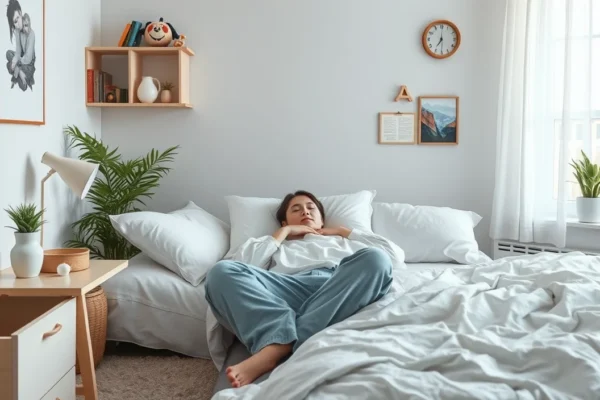

For busy professionals juggling work and personal commitments, finding restful sleep can feel elusive. The constant demands of daily life often lead to stress, making it challenging to unwind. Discovering the right calming sleep sounds can transform your nighttime routine and improve your overall well-being.
Integrating calming sleep sounds into your nightly ritual can significantly enhance sleep quality. These sounds, ranging from gentle rain to soothing white noise, help create a serene environment that promotes relaxation and better rest, ultimately boosting productivity and reducing stress.
Defining Calming Sleep Sounds
Calming sleep sounds play a crucial role in promoting restful sleep for adults, especially those navigating the demands of busy professional lives. These sounds can effectively mask disruptive noise and create an inviting auditory environment conducive to relaxation and sleep. Understanding their significance is the first step towards improving sleep quality.
Various types of calming sounds, such as gentle rain, soft instrumental music, ocean waves, and white noise, can help ease the transition into sleep. These sounds work by engaging the brain in a way that fosters relaxation, allowing for a smoother drift into slumber. For busy professionals dealing with stress, incorporating these soothing sounds into a nightly routine can significantly enhance overall well-being.
By choosing the right calming sounds, you can tailor your sleep environment to better suit your personal preferences, ultimately leading to improved sleep quality and productivity during the day. As you begin to explore these options, consider how different sounds resonate with you and how they can be integrated into your evening rituals.
How Sound Affects Sleep
Understanding how sound influences sleep quality is crucial for those seeking better rest. Calming sleep sounds can significantly affect both physiological and psychological responses, ultimately promoting deeper and more restorative sleep.
Sound has the ability to modify brain activity and physiological processes. Calming sounds, like gentle rain or ocean waves, can lower heart rates and reduce blood pressure, creating a relaxation response in the body. This physiological shift helps ease the transition from wakefulness to sleep. Psychologically, pleasant sounds can lessen anxiety and stress, which are often barriers to a good night’s rest. When the mind is relaxed and free from intrusive thoughts, the body can more easily enter the restorative stages of sleep.
Incorporating calming sleep sounds into your nightly routine can help signal to your body that it’s time to wind down. By creating a soothing auditory environment, you can promote feelings of safety and tranquility, allowing sleep to come more naturally. Understanding the impact of sound on your sleep can empower you to make informed choices about your nighttime practices.
Key Characteristics of Relaxing Sounds
Relaxing sounds possess specific features that enhance their effectiveness in promoting sleep and relaxation. Understanding these characteristics can help you select the right sounds for your nightly routine, ultimately leading to improved sleep quality and overall well-being.
One key feature is the frequency of the sound. Low-frequency sounds, such as deep bass or gentle rain, tend to be more calming and can help lower heart rate and blood pressure. Additionally, sounds that have a consistent and predictable pattern, like ocean waves or rustling leaves, create a sense of stability and comfort, which is essential for relaxation.
The duration of the sound is also significant. Continuous sounds that do not have abrupt changes or interruptions are preferable, as they can create a soothing environment that eases the transition into sleep. Moreover, sounds that evoke nature, such as chirping birds or soft wind, can trigger a sense of tranquility, further enhancing relaxation.
Lastly, personalization plays a crucial role. What is calming for one person may not be for another. Experimenting with different sounds can help you discover what resonates best with you, making your sleep experience more enjoyable and effective.
Incorporating Sounds into Sleep Routines
Integrating calming sleep sounds into your nightly routine can significantly enhance your ability to unwind and improve sleep quality. By establishing a consistent practice, you create a conducive environment that signals to your body it’s time to relax. Here are effective strategies to seamlessly incorporate these sounds into your evening ritual.
Begin by selecting a specific time each evening to start your wind-down routine. This consistency helps signal your body that it’s time for sleep. As you prepare for bed, choose calming sounds that resonate with you—such as nature sounds, white noise, or soft instrumental music. Play these sounds at a low volume, creating a gentle backdrop that promotes relaxation.
Consider using a sleep sound machine or an app dedicated to sleep sounds, which often provide various soundscapes tailored for relaxation. Set a timer for these sounds to play for 30-60 minutes, allowing you to drift off peacefully without interruption. You may also create a calming pre-sleep ritual that includes listening to your chosen sounds while engaging in relaxing activities such as reading, meditating, or gentle stretching.
Lastly, ensure your sleep environment is conducive to relaxation. Dim the lights, maintain a comfortable room temperature, and eliminate any potential distractions. With time, your body will associate these sounds with sleep, making it easier to transition into a restful state.
Techniques for Sound Selection
Selecting the right calming sounds for sleep is a personal process that varies from individual to individual. Understanding your preferences and needs is crucial for creating an effective nighttime environment. Here are some practical techniques to guide your selection.
Start by identifying the types of sounds that naturally relax you. Experiment with various categories, such as nature sounds (like rain, ocean waves, or birdsong), white noise, or soft instrumental music. Pay attention to how each sound affects your mood and physical relaxation.
Consider the volume and duration of the sounds. Softer sounds often create a more peaceful atmosphere without being intrusive. Choose sounds that can play continuously or have a timer function to prevent sudden interruptions during sleep.
Test different sounds throughout your day to see how they influence your stress levels. Create a shortlist of your favorites and rotate them to avoid habituation. Finally, keep in mind that your sound selection may evolve; reassess your choices periodically to ensure they continue to meet your relaxation needs.
Sound Examples for Sleep
Identifying specific sound types that promote relaxation can significantly enhance your sleep quality. Here are some calming sound examples that you can easily integrate into your nightly routine to help alleviate stress and encourage restful slumber.
- Nature Sounds: Gentle rain, ocean waves, rustling leaves, and chirping birds create a serene environment conducive to sleep.
- White Noise: A consistent sound that masks background noises. Options include fan sounds or white noise machines.
- Ambient Music: Soft instrumental music with slow tempos can soothe the mind. Look for tracks specifically designed for relaxation.
- Guided Meditations: Audio recordings that lead you through breathing exercises or visualization techniques can calm your thoughts.
- ASMR (Autonomous Sensory Meridian Response): Whispering, tapping, and soft sounds that trigger relaxation for many individuals.
- Binaural Beats: Music that plays two slightly different frequencies in each ear may help induce a meditative state and enhance sleep quality.
Experiment with these sound types to discover what resonates best with you, creating a personalized and calming sleep environment.
Comparative Analysis of Sound Sources
Exploring various sources of calming sleep sounds can significantly enhance your sleep quality. Each option offers unique benefits, catering to different preferences and lifestyles. Understanding these sources will help you choose the best fit for your nightly routine.
Apps designed for sleep often provide a wide array of soundscapes, including white noise, nature sounds, and guided meditations. Many apps allow customization, enabling you to create a personalized sound experience. Popular choices include Calm, Headspace, and Insight Timer.
Streaming services like Spotify and Apple Music feature curated playlists specifically for relaxation and sleep. These playlists often include soothing instrumental music and ambient sounds designed to help you unwind. You can easily find user-generated playlists under keywords like “sleep sounds” or “relaxing music.”
Nature sounds, such as rainfall, ocean waves, or forest ambiance, can also be effective for promoting relaxation. These can be accessed through various platforms, including YouTube, where numerous channels specialize in long-duration nature sound recordings.
Finally, consider investing in sound machines that provide consistent, calming sounds. These devices often feature various sound options and can create a tranquil environment, promoting better sleep quality. Choosing the right source can turn your sleep environment into a peaceful haven.
Quick Summary
- Calming sleep sounds are designed to promote relaxation and improve sleep quality for adults.
- Popular sound options include white noise, nature sounds, and ambient music.
- Listening to calming sounds can help reduce anxiety and stress before bedtime.
- Research shows that these sounds can enhance deep sleep and shorten the time it takes to fall asleep.
- Using calming sleep sounds can create a soothing bedtime routine, signaling to the body that it’s time to wind down.
- Many apps and devices offer customizable options, allowing users to select their preferred soundscapes.
- Incorporating calming sleep sounds into your nightly ritual can lead to better overall health and well-being.
Frequently Asked Questions
What are calming sleep sounds and how can they help me sleep better?
Calming sleep sounds are soothing audio tracks designed to promote relaxation and help you fall asleep more easily. They can include nature sounds, white noise, or gentle music, which can mask disruptive noises and create a tranquil environment conducive to restful sleep.
How do I incorporate calming sleep sounds into my nightly routine?
To incorporate calming sleep sounds into your routine, start by setting a specific time to wind down each night. You can play the sounds through a speaker or headphones while you read, meditate, or prepare for bed, allowing them to gently guide you into a more relaxed state.
Are there specific types of calming sleep sounds that are more effective?
Different people respond to various types of sounds, but many find nature sounds like rain, ocean waves, or forest ambiance particularly effective. Experiment with different options such as white noise or soft instrumental music to discover what works best for you.
Can I use calming sleep sounds if I have a partner who doesn’t like them?
Yes, you can use calming sleep sounds even if your partner prefers silence. Consider using a sleep mask with built-in audio or wearing comfortable headphones to keep the sounds personal without disturbing your partner.
How long should I listen to calming sleep sounds before falling asleep?
It’s generally recommended to listen to calming sleep sounds for about 30 minutes to an hour before you intend to sleep. This timeframe allows your body to relax and transition from the busyness of the day into a more restful state, enhancing the quality of your sleep.

- Baby Nail Clipper Safe Newborn Kit: Essential Tools For Gentle Nail Care 2026 - March 15, 2026
- baby anti slip knee pad crawling set 2026 - March 15, 2026
- Hair Brush Goat Hair Bristle – A Gentle for Delicate Scalps 2026 - March 15, 2026