
Ensuring your baby’s safety during sleep is crucial for their health and well-being. With so much information available, it can be overwhelming to figure out the best practices for creating a safe sleep environment. Understanding these guidelines is essential for every new parent.
To promote safe sleep, focus on placing your baby on their back to sleep, using a firm mattress, and keeping the crib free of soft bedding. Also, maintain a comfortable room temperature and avoid exposing your baby to smoke.
undefined
Safe sleeping guidelines for babies are critical for reducing the risk of Sudden Infant Death Syndrome (SIDS) and ensuring a secure sleep environment. This section outlines the fundamental practices to follow when placing your baby to sleep. By adhering to these guidelines, caregivers can create a safer sleeping space that promotes the health and well-being of infants.
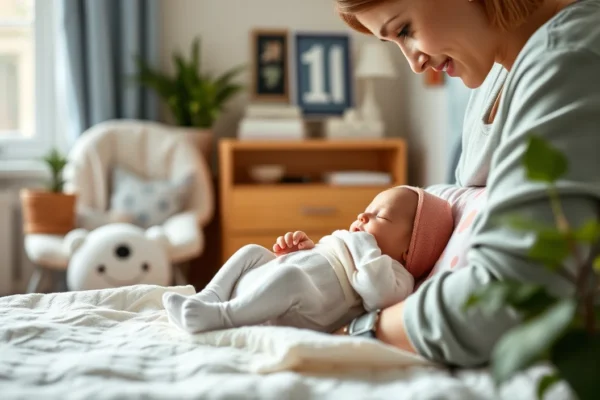
One of the primary recommendations is to always place babies on their backs to sleep. This position has been shown to significantly reduce the risk of SIDS. Side sleeping is not recommended, as it can lead to rolling onto the stomach, which increases the risk. Babies should be placed on a firm mattress in a safety-approved crib or bassinet, without any soft bedding, pillows, or toys that could pose a suffocation hazard.
Room-sharing is encouraged, as it allows parents to be close to their infants while still providing a separate sleeping space. The American Academy of Pediatrics recommends that infants sleep in the same room as their caregivers for at least the first six months, but not in the same bed. This practice can help monitor the baby more easily and respond quickly if needed.
undefined
Understanding the right sleep position for babies is crucial for ensuring their safety during rest. The guidelines around sleep position are designed to significantly reduce the risk of Sudden Infant Death Syndrome (SIDS) and other sleep-related hazards. Adhering to these recommendations can provide peace of mind for parents and caregivers.
Always place your baby on their back for every sleep time, which includes naps and overnight sleep. This position is the safest and has been shown to reduce the risk of SIDS. Avoid placing babies on their stomachs or sides, as these positions increase the risk of suffocation and other dangers.
Use a firm mattress in a safety-approved crib, bassinet, or play yard. Ensure that the sleep surface is free from soft bedding, pillows, toys, and bumper pads, as these can pose suffocation hazards. Dress your baby in a sleep sack or wearable blanket instead of using loose blankets. This keeps them warm without the risk of covering their face.
It’s also vital to share a room with your baby for at least the first six months but avoid co-sleeping in the same bed. This practice minimizes the risk of SIDS while allowing for easy monitoring during sleep. Always follow these safe sleeping guidelines for a secure environment for your baby.
undefined
Creating a safe sleep environment for your baby involves careful consideration of the sleep surface. This section focuses on the recommended sleeping surfaces that reduce the risk of sleep-related incidents, including Sudden Infant Death Syndrome (SIDS). Understanding the right choices for your baby’s sleeping area is crucial for their safety.
The American Academy of Pediatrics (AAP) recommends the following guidelines for safe sleeping surfaces:
- Firm Mattress: Use a firm mattress that fits snugly within the crib or bassinet. Soft mattresses can increase the risk of suffocation.
- Crib or Bassinet: Place your baby in a crib or bassinet that meets current safety standards. Ensure it is free from loose bedding, pillows, and toys.
- Flat Sleep Surface: Babies should sleep on their backs on a flat surface. Avoid inclined sleepers as they pose a higher risk of airway obstruction.
Always check for recalls on sleeping products and ensure that the crib or bassinet is in good condition. Creating a safe sleep environment is vital to your baby’s health and well-being, so consistently adhering to these guidelines is essential.
undefined
Understanding the right sleeping surface for your baby is crucial to ensure their safety during sleep. The surface should be firm and flat to reduce the risk of suffocation and Sudden Infant Death Syndrome (SIDS). This section focuses on selecting the appropriate sleep surface for your baby.
Always place your baby on a firm mattress that fits snugly in the crib or bassinet. The mattress should not sag or have gaps around the edges. Soft bedding, including pillows, quilts, and bumper pads, should be avoided as they can pose suffocation hazards.
Cribs, bassinets, and play yards designed for infant sleep must meet safety standards set by regulatory agencies. Look for the certification label to ensure compliance with safety regulations. If using a crib, it should have slats no more than 2-3/8 inches apart to prevent the baby’s head from slipping through.
For infants under one year, it is recommended to use a flat sleep surface without any soft or loose items. Always ensure the sleeping area is clear of toys and blankets, allowing your baby to sleep safely and soundly.
undefined
Understanding the right sleep environment for your baby is crucial. This section covers specific guidelines to ensure your baby sleeps safely and comfortably. By following these practices, you can significantly reduce the risk of sleep-related accidents.
Keep the sleep area clutter-free. Ensure that the crib or bassinet is free from toys, blankets, and pillows, as these can pose suffocation hazards. A fitted sheet on a firm mattress is all that is necessary for a safe sleep surface.
Maintain a cool room temperature. The ideal range is between 68°F to 72°F (20°C to 22°C). Overheating can increase the risk of Sudden Infant Death Syndrome (SIDS). Dress your baby in light clothing to help regulate their temperature.
Position your baby correctly. Always place your baby on their back for every sleep, whether it’s during naps or overnight. This position has been shown to significantly reduce the risk of SIDS.
Consider using a pacifier during sleep. Research indicates that pacifier use may lower the risk of SIDS. If you choose to use a pacifier, wait until breastfeeding is established, usually around 3 to 4 weeks, before introducing it.
Regularly check the sleep environment for safety. Ensure that the crib meets current safety standards and that there are no loose parts or hazards. Regularly inspect the mattress and bedding to maintain a safe sleep setting.
undefined
Section six focuses on the positioning of your baby during sleep. Proper sleep positioning is crucial for reducing the risk of Sudden Infant Death Syndrome (SIDS) and ensuring a safe sleep environment. Understanding the guidelines surrounding sleep positioning can help parents and caregivers create a secure sleep setting for their infants.
Always place your baby on their back to sleep, for every sleep time, including naps. This position significantly decreases the chances of SIDS. Once your baby reaches the age of 1 year, they may start to roll over on their own. At this point, you can continue to place them on their back, but it’s not necessary to reposition them if they roll over during sleep.
Avoid placing your baby on their stomach or side to sleep. These positions increase the risk of SIDS. Additionally, ensure that the sleep surface is firm, flat, and free from soft bedding, pillows, and toys. These items may pose suffocation risks.
For infants who are swaddled, ensure that they are placed on their backs as well. Once they show signs of rolling over, it is essential to stop swaddling to allow for safe movement during sleep.
undefined
Section 7 focuses on the importance of monitoring your baby’s sleep environment to ensure safety and comfort. Regular checks can help prevent potential hazards and promote a secure sleeping space for your baby.
Keep the crib or sleep area clear of any items that could pose a risk. This includes toys, blankets, and pillows that can lead to suffocation. Only use a fitted sheet on the mattress and ensure that the mattress fits snugly within the crib frame.
Check the room temperature to avoid overheating. A comfortable room should be between 68°F and 72°F (20°C to 22°C). Dress your baby in light clothing, and consider using a sleep sack instead of blankets. This helps keep your baby warm without the risk of suffocation.
Regularly inspect the crib or bassinet to ensure it meets current safety standards. Look for any recalls on products you are using. Additionally, always place your baby on their back to sleep, following this practice each time they are put down to rest.
By maintaining a vigilant approach to your baby’s sleep environment, you can significantly reduce the risk of sleep-related incidents.
undefined
Understanding the importance of sleep environment is crucial for ensuring your baby’s safety during sleep. This section focuses on specific guidelines to create a safe sleeping environment, reducing the risks associated with sleep-related incidents.
Ensure the baby’s sleep area is free from any hazards. Cribs, bassinets, or play yards should comply with current safety standards, and mattresses should fit snugly to prevent gaps where a baby can get trapped. Use firm, flat mattresses covered with a fitted sheet; avoid using soft bedding, toys, or bumpers inside the crib.
Position the crib away from windows, cords, and other potential dangers. The room temperature should be comfortable—typically between 68°F and 72°F (20°C to 22°C)—to prevent overheating. Dress the baby in light sleep clothing to maintain a safe temperature without excessive bedding.
Regularly inspect your baby’s sleep area to ensure it remains safe. As your baby grows, reassess their sleeping arrangements and update them as needed to align with their developmental stage. These steps create a secure environment that promotes healthy sleep habits.
undefined
This final section summarizes essential safe sleeping guidelines for babies, emphasizing the key practices to ensure a safe sleep environment. Implementing these guidelines can significantly reduce the risk of sleep-related incidents, offering peace of mind for caregivers.
Prioritize the following practices for safe sleeping:
- Place babies on their backs: Always position infants on their backs for sleep to lower the risk of Sudden Infant Death Syndrome (SIDS).
- Use a firm mattress: Ensure the crib mattress is firm and fits snugly in the crib without gaps to prevent suffocation hazards.
- Avoid soft bedding: Keep soft objects, toys, and loose bedding out of the crib to reduce the risk of obstruction of the airway.
- Share a room, not a bed: Room-sharing is recommended, but avoid bed-sharing to minimize risks associated with adult beds.
- Maintain a comfortable room temperature: Keep the baby’s sleeping environment at a comfortable temperature to prevent overheating.
- Follow vaccination schedules: Ensure babies are up to date on vaccinations, as this has been shown to reduce SIDS risk.
By adhering to these safe sleeping guidelines, caregivers can create a secure sleep environment that promotes the well-being of infants. Regularly review these practices and stay informed about any updates to safe sleep recommendations to ensure ongoing safety for your baby.
Quick Summary
- Always place babies on their backs for every sleep, including naps.
- Use a firm mattress in a safety-approved crib or bassinet, free from soft bedding.
- Keep the sleep environment free of pillows, blankets, and stuffed animals.
- Ensure the baby’s sleeping area is in the same room as the parents for at least the first 6 months.
- Avoid overheating by dressing the baby in light sleep clothing and keeping the room at a comfortable temperature.
- Consider using a pacifier during naps and bedtime to reduce the risk of SIDS.
- Avoid exposing babies to smoke, both during pregnancy and after birth.
Frequently Asked Questions
What is the safest sleep position for my baby?
The safest sleep position for your baby is on their back. This position reduces the risk of Sudden Infant Death Syndrome (SIDS) and is recommended until your baby is one year old.
What type of sleep surface should I use for my baby?
Your baby should sleep on a firm mattress that fits snugly in a safety-approved crib, bassinet, or play yard. Avoid using soft bedding, pillows, or bumper pads, as these can increase the risk of suffocation.
Is it safe for my baby to sleep with blankets and toys?
How should I dress my baby for sleep?
Dress your baby in light sleep clothing appropriate for the room temperature, avoiding heavy blankets. A sleep sack can help keep them warm without the risks associated with loose bedding.
When can my baby start sleeping on their stomach?
Your baby should be placed on their back for sleep until they are at least one year old. Once they can roll over both ways independently, they may choose to sleep on their stomach, but always place them on their back to start.

- When Can Babies Start Sleeping on Their Stomach? - March 1, 2026
- Can Babies Sleep on a Slight Incline? Safety Guidelines - March 1, 2026
- 10 Natural Ways to Improve Your Sleep Quality Tonight - March 1, 2026