
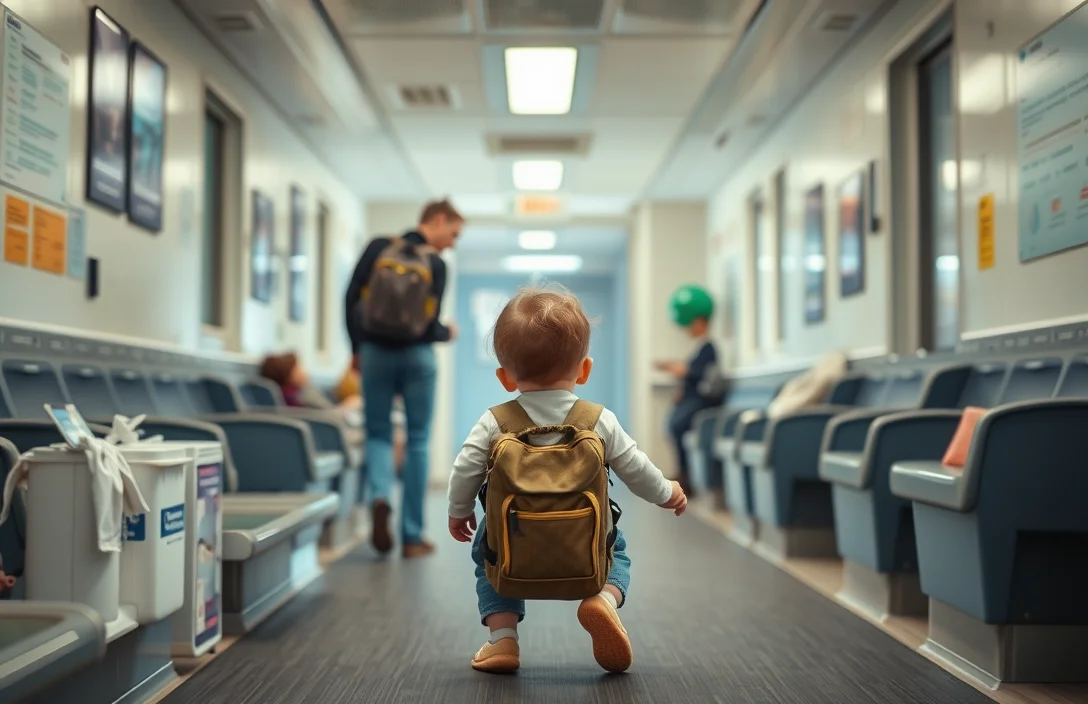
Emergencies can happen at any moment, and when it involves toddlers, the stakes are even higher. Ensuring their safety during an evacuation requires preparation and knowledge. Learning how to effectively evacuate young children can make all the difference in stressful situations.
When planning for emergencies with toddlers, consider designated meeting points, simple communication methods, and practice drills. These steps help ensure that children understand what to do and where to go, keeping them safe and reducing panic during unexpected events.
undefined
This section focuses on understanding the importance of emergency evacuation plans specifically tailored for toddlers. Children require unique considerations due to their limited understanding of danger and their reliance on adults for guidance. Establishing a well-structured evacuation strategy ensures their safety during emergencies, allowing parents and caregivers to respond effectively.
Begin by assessing your environment. Identify all possible exits in your home or childcare facility. Make sure these exits are accessible and clear of obstacles. Create a designated meeting point outside where everyone can gather after evacuating. This location should be familiar to your toddler, reinforcing the idea of safety. Regularly practice evacuation drills with your child to familiarize them with the process. Use simple language and visual cues to help them understand what to do. Explain the sound of alarms or sirens and practice moving quickly but calmly to the exit. Remember, toddlers may become frightened or confused during emergencies, so use reassuring words and maintain a calm demeanor.
By preparing a thoughtful evacuation plan, you enhance not only the safety of toddlers during emergencies but also their understanding of how to respond appropriately, making the experience less stressful for everyone involved.
undefined
Planning for emergency evacuation specifically for toddlers requires understanding their unique needs. This section focuses on identifying safe routes and effective communication strategies to ensure toddlers can evacuate quickly and safely in any emergency situation.
Establish clear evacuation routes in your home or childcare facility. These routes should be easily accessible and free of obstacles. Ensure that these paths lead to safe locations outside the building, such as designated assembly points. Make sure your toddlers are familiar with these routes through regular practice drills, which can help reduce confusion during an actual emergency.
Develop a simple communication plan tailored to toddlers. Use clear and concise language when explaining what to do in an emergency. Create visual aids, such as diagrams or drawings, that illustrate the evacuation routes. This can help toddlers understand and remember their escape paths. Also, consider using a consistent phrase or signal that indicates it’s time to evacuate, so they recognize the urgency.
Incorporate role-play activities to practice the evacuation plan. Let toddlers play different roles, such as being a leader or a helper. This will not only make them familiar with the process but also give them confidence in their ability to respond appropriately during emergencies. Regular practice can significantly reduce panic and promote a sense of security among toddlers.
undefined
Establishing a safe assembly point is crucial for emergency evacuations involving toddlers. This designated area provides a location where children can be accounted for and kept secure until the situation is resolved. Selecting an appropriate assembly point requires careful consideration of safety, accessibility, and visibility.
Choose an assembly point that is far enough away from potential hazards, such as buildings or trees that could pose risks during an evacuation. The area should be easily accessible for caregivers and emergency personnel. Ideally, it should be a location that is familiar to both the children and the adults responsible for them, such as a playground, a designated outdoor space, or a specific spot in a nearby park.
Clear communication about the assembly point is essential. Ensure that all caregivers and children know where to go during an evacuation. Conduct regular drills to practice moving to the assembly point quickly and safely. Use visual aids, like signs or markers, to help toddlers remember the location. Reinforce the importance of staying together and waiting for caregivers to arrive.
undefined
Step 4 focuses on practicing the evacuation plan with toddlers. Familiarizing them with the evacuation process is essential for ensuring their safety during an emergency. Regular practice helps reduce anxiety and confusion, making the procedure more intuitive for young children.
To effectively practice, follow these guidelines:
- Conduct Regular Drills: Schedule drills at least twice a year. This helps toddlers recognize emergency signals and understand what is expected of them.
- Use Familiar Language: Explain the evacuation process in simple terms. Use phrases that they can easily understand, like “We need to leave the building quickly and safely.”
- Incorporate Play: Turn drills into a fun activity. Use games or role-playing to make the experience enjoyable while still educational.
- Reinforce with Visual Aids: Utilize pictures and diagrams of the evacuation route. This can help toddlers visualize the steps they need to take.
- Practice with Toys: Use dolls or action figures to demonstrate the process. This can help toddlers grasp the concept of evacuation without feeling overwhelmed.
By regularly practicing the evacuation plan, toddlers will become more comfortable with the idea, ultimately enhancing their ability to respond effectively in an actual emergency situation.
undefined
Step 5 focuses on creating a safe and accessible evacuation route for toddlers. This step ensures that you can swiftly and effectively evacuate your child in an emergency situation. Preparing the route ahead of time can significantly reduce panic and confusion.
Identify the quickest and safest exit points in your home or facility. Ensure these routes are clear of obstacles and easy for a toddler to navigate. Consider the following tips:
- Clear Pathways: Remove any furniture, toys, or other items that could obstruct the exit route.
- Practice the Route: Walk through the evacuation route with your toddler, explaining what to do in case of an emergency.
- Height Considerations: Ensure that exits are accessible for your toddler’s height, using ramps if necessary.
- Designated Meeting Point: Choose a safe location outside the home where you and your toddler can meet after evacuation.
Regularly review and practice the evacuation route to ensure your toddler remembers the steps. This preparation can help them feel more secure and confident during an emergency.
undefined
Establishing a clear evacuation route and plan is crucial for ensuring safety during an emergency involving toddlers. This section outlines key considerations for creating and practicing an effective evacuation plan tailored specifically for young children.
Start by identifying multiple exits in your home or environment and ensure they are accessible. Familiarize your toddler with these routes through regular practice. Use visual aids like maps or drawings to illustrate the paths. Involve your child in the process; this can help them feel more secure and aware during drills.
Designate a safe meeting point outside the building where your child can go during an evacuation. This should be a familiar location, such as a neighbor’s house or a specific tree. Teach your toddler the importance of reaching this spot quickly, and practice going there together.
Consider the unique needs of your toddler, such as mobility limitations or the need for comfort items. Prepare a small emergency kit that includes essentials like water, snacks, and a favorite toy to help calm them during stressful situations. Make sure your toddler knows what to do if you become separated, such as staying put and waiting for you.
undefined
Establishing a clear communication plan is crucial for ensuring the safety of toddlers during an emergency evacuation. This section focuses on how to effectively communicate with your child before, during, and after an evacuation, facilitating a smoother process and reducing anxiety.
Use simple language and concepts that a toddler can understand. Explain the purpose of evacuation and what they should expect. Use phrases like “We need to go outside to stay safe” to help them comprehend the situation. Practice this communication consistently, so it becomes familiar to them.
During an evacuation, maintain a calm demeanor. Toddlers can easily pick up on stress, so your composure will help them feel secure. Use reassuring phrases and keep your tone steady. If possible, have a designated signal or phrase that indicates it’s time to leave, which can help them recognize the urgency without causing panic.
After the evacuation, check in with your child. Discuss what happened in a simple way, emphasizing that they are safe now. This will help them process the experience and alleviate any fears they may have. Reinforce that they can always ask questions about emergencies and reassure them that their feelings are valid.
undefined
Emergency evacuation plans must be adaptable for toddlers, who require specific considerations during emergencies. This section discusses the unique needs of young children during an evacuation and how to prepare for those needs effectively.
Ensure that your evacuation route is toddler-friendly. This includes checking for obstacles that may be difficult for small children to navigate. Consider the height of your toddler when planning escape routes; they may need assistance reaching exits or climbing stairs. Designate a safe spot for gathering after evacuation, where toddlers can be easily accounted for and kept calm.
Practice evacuating with your toddler, making the process familiar and less frightening. Use role-playing to explain what will happen during an emergency. Incorporate games that simulate safe movements and reinforce the importance of following adult directions. Keep emergency bags ready with essential items, such as snacks, a favorite toy, and any necessary medications. This preparation can help soothe your toddler’s anxiety during an actual emergency.
Lastly, ensure that caregivers or family members are aware of the evacuation plan and the specific needs of your toddler. Sharing this plan with others can help maintain a supportive environment in stressful situations.
undefined
Understanding how to effectively evacuate toddlers during an emergency is crucial for their safety. This section emphasizes the importance of preparation and practice, ensuring that caregivers can act swiftly and confidently when needed. Here are the final steps to ensure a successful evacuation with toddlers.
Educate all caregivers about the specific evacuation plan, making sure they are familiar with the routes, exits, and procedures. Conduct regular drills to practice these procedures, allowing toddlers to become familiar with what to expect. Use calming techniques to reduce anxiety during drills and real emergencies.
Equip caregivers with the knowledge of how to handle toddlers in various situations. For instance, teach them how to carry a toddler safely if necessary and ensure they are aware of any special needs each child may have. Keep essential items, such as a first aid kit and emergency contact information, easily accessible during evacuations.
Establish a meeting point outside the building where everyone can gather after evacuation. This helps ensure that all children are accounted for and reduces confusion. Encourage open communication with children about the importance of following instructions calmly during an emergency.
By following these steps, caregivers will create a comprehensive emergency evacuation plan that prioritizes the safety and well-being of toddlers. Regular practice and clear communication are key components to ensure everyone is prepared to respond effectively in an emergency situation.
Quick Summary
- Plan and practice evacuation routes that are suitable for toddlers.
- Keep emergency kits accessible and ensure they contain age-appropriate supplies.
- Teach toddlers simple instructions for emergencies, using clear and calming language.
- Designate a safe meeting place outside the home for family gatherings during an evacuation.
- Involve toddlers in the preparation process to help them feel more secure and aware.
- Stay calm and patient during drills and real emergencies to model behavior for toddlers.
- Regularly review and update your evacuation plan as your child grows and changes.
Frequently Asked Questions
What should I include in an emergency evacuation plan for toddlers?
Your emergency evacuation plan for toddlers should include clear escape routes, a designated meeting point, and a list of essential items to grab, such as medications and comfort items. Additionally, consider practicing the plan regularly with your child to ensure they know what to do in an emergency.
How can I prepare my toddler for an emergency evacuation?
To prepare your toddler, explain the concept of an emergency in simple terms and practice the evacuation plan through role-playing. Use games to make it fun and emphasize the importance of staying calm and following instructions during an emergency.
What should I do if my toddler is scared during an evacuation?
If your toddler is scared, comfort them with reassurance and remind them that you are there to keep them safe. Use soothing words, and consider bringing a favorite toy or blanket to provide familiarity and comfort during the evacuation process.
How can I ensure my toddler is safe during an evacuation?
Ensure your toddler’s safety by always keeping them within arm’s reach and holding their hand during the evacuation. Teach them to stay close to you and avoid running off, and practice situational awareness, so they understand the importance of staying with a trusted adult.
What should I do if I have multiple children to evacuate?
When evacuating with multiple children, designate a specific adult for each child if possible, and establish a method for keeping everyone together. Consider using a stroller or wagon for younger children, and practice the plan so that everyone knows their role and how to stay together during an emergency.

- When Can Babies Start Sleeping on Their Stomach? - March 1, 2026
- Can Babies Sleep on a Slight Incline? Safety Guidelines - March 1, 2026
- 10 Natural Ways to Improve Your Sleep Quality Tonight - March 1, 2026