As a first-time parent, the responsibility of keeping your newborn safe at home can feel overwhelming. Understanding the potential hazards and how to create a secure environment is essential for peace of mind and nurturing your little one’s growth.
This article will provide you with easy-to-follow safety guidelines that fit into your busy schedule. Key points include safe sleeping practices, toxic substances, and childproofing your home, ensuring your infant can thrive in a secure space.
undefined
Creating a safe home for your infant begins with understanding potential hazards. This section outlines key safety guidelines that are easy to implement and can significantly reduce risks in your environment. By following these practical tips, you can create a nurturing space that prioritizes your baby’s well-being.
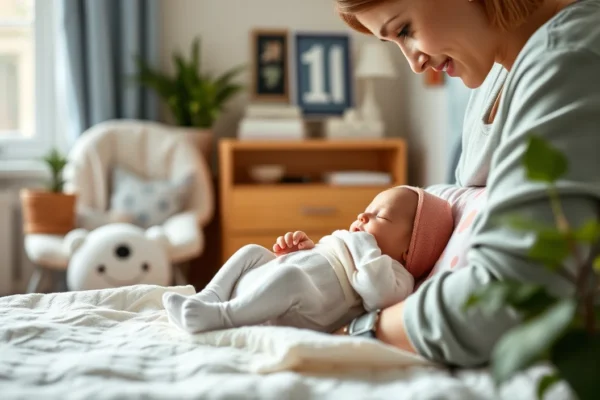
Start by ensuring that your baby’s sleep area is safe. Place your infant on their back in a crib that meets current safety standards, without any soft bedding, toys, or bumpers. Keep the crib away from windows, cords, and any items that could pose a strangulation risk.
Next, secure heavy furniture and appliances to the wall to prevent tipping. Use safety latches on cabinets and drawers that contain harmful substances, and keep sharp objects out of reach. It’s also vital to cover electrical outlets and keep cords organized to avoid tripping hazards.
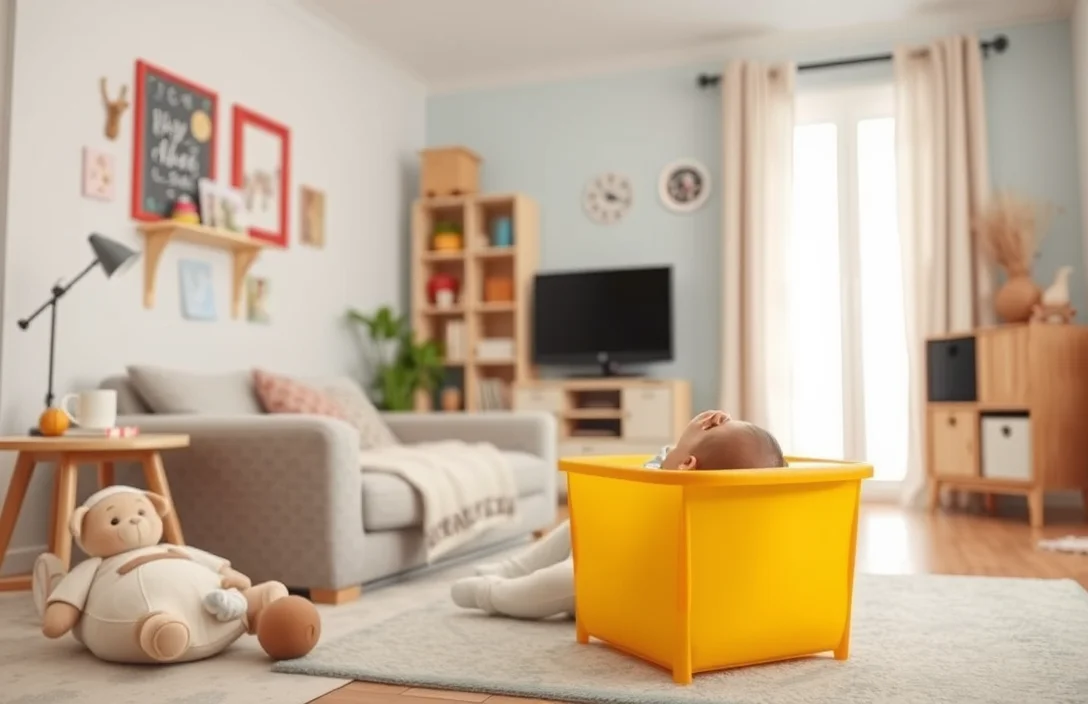
Regularly check for small items on the floor or low surfaces that could be choking hazards. As your child begins to crawl and explore, continue to reassess your home for new safety concerns. By proactively addressing these potential dangers, you can ensure that your home remains a secure environment for your little one.
undefined
Creating a safe sleep environment is crucial for your infant’s well-being. Sleep-related incidents are a leading cause of injury and loss in infants, making it essential to establish safe sleep practices right from the start. This section will guide you through the most effective strategies to ensure your baby sleeps safely and soundly.
Place your baby on their back to sleep, whether during naps or overnight. This position significantly reduces the risk of Sudden Infant Death Syndrome (SIDS). Always use a firm sleep surface, such as a crib mattress covered with a fitted sheet. Avoid soft bedding, including pillows, blankets, and bumper pads. These items can increase the risk of suffocation.
Keep the crib free of toys and excess items to ensure a safe sleeping area. Dress your baby in appropriate sleep clothing, such as a sleep sack or a onesie, to maintain a comfortable temperature without the need for loose blankets. Room sharing is recommended; having your baby sleep in your room for at least the first six months can enhance safety and bonding while ensuring you can monitor them easily.
Regularly check your baby’s sleep environment for any potential hazards, ensuring that the crib meets current safety standards. By following these guidelines, you can create a safe sleep space that promotes your infant’s health and peace of mind for you as a parent.
undefined
Creating a safe sleeping environment for your infant is crucial for their well-being. Sleep safety guidelines help reduce the risk of Sudden Infant Death Syndrome (SIDS) and ensure your baby sleeps soundly. Understanding these guidelines will provide peace of mind as you navigate your new parenting responsibilities.
Place your baby on their back to sleep, both for naps and overnight, as this significantly lowers the risk of SIDS. A firm and flat sleep surface, such as a crib mattress covered with a fitted sheet, is essential. Avoid placing your baby on soft surfaces like couches, armchairs, or soft bedding, including pillows, blankets, or bumper pads, as these can pose suffocation hazards.
Keep the sleep area free from toys and stuffed animals, which can obstruct your baby’s breathing. The room temperature should be comfortable, avoiding overheating; dress your baby in light sleep clothing and consider using a sleep sack instead of blankets. Always ensure that your baby sleeps in a crib or bassinet that meets current safety standards.
Lastly, share your room with your baby for at least the first six months, but avoid sharing the same bed. Room-sharing allows you to monitor your baby closely while reducing the risk of suffocation. Following these guidelines will help you create a safe and nurturing sleep environment for your newborn.
undefined
Creating a safe sleeping environment for your infant is crucial to their health and well-being. This section will outline essential guidelines to ensure your baby sleeps safely and soundly, reducing the risk of sleep-related incidents.
Always place your baby on their back to sleep, whether in a crib, bassinet, or portable play yard. This position significantly decreases the risk of Sudden Infant Death Syndrome (SIDS). Use a firm mattress with a fitted sheet and avoid soft bedding, such as pillows, blankets, or stuffed animals, in the sleep area.
Keep the sleeping environment at a comfortable temperature, ideally between 68-72°F (20-22°C). Overheating can be a risk factor for SIDS. Dress your baby in light sleep clothing and consider using a sleep sack rather than blankets to keep them warm.
Ensure the crib meets current safety standards and has slats no more than 2 3/8 inches apart to prevent entrapment. Regularly check for recalls on your crib or sleep equipment, and always follow the manufacturer’s assembly instructions.
Lastly, maintain a smoke-free environment. Exposure to smoke increases the risk of SIDS. Encourage visitors to adhere to this guideline to protect your baby’s health.
undefined
Creating a safe sleeping environment for your infant is crucial for their well-being. The following guidelines focus on safe sleep practices that can significantly reduce the risk of Sudden Infant Death Syndrome (SIDS) and other sleep-related hazards. Implementing these recommendations will help you feel more confident in ensuring your baby’s safety during rest.
Always place your baby on their back to sleep, whether in a crib, bassinet, or play yard. This position has been shown to reduce the risk of SIDS. Ensure that the sleep surface is firm and flat, free of soft bedding, pillows, toys, and bumper pads, which can pose suffocation hazards.
Dress your baby in lightweight clothing and consider using a sleep sack instead of blankets, which can increase the risk of overheating. Keep the room at a comfortable temperature to prevent your baby from becoming too hot or cold during sleep.
Co-sleeping with your baby on the same surface, such as a bed or couch, can be dangerous. If you prefer to have your baby close by, consider using a bedside sleeper that attaches to your bed but provides a separate sleeping area for your infant.
Regularly check your baby’s sleep environment, making adjustments as necessary to maintain a safe sleeping space. Following these guidelines can help you create a nurturing and secure sleeping area for your little one.
undefined
Creating a safe sleep environment for your infant is crucial for their well-being. This section focuses on guidelines to ensure safe sleep practices that reduce the risk of Sudden Infant Death Syndrome (SIDS) and other sleep-related hazards. Implementing these practices will help provide peace of mind as your baby rests.
Always place your baby on their back to sleep, whether in a crib, bassinet, or play yard. This position significantly lowers the risk of SIDS. Use a firm mattress covered with a fitted sheet, and avoid soft bedding such as pillows, blankets, or bumper pads, as these can pose suffocation hazards.
Keep the sleep area free from toys, stuffed animals, and other items. Dress your baby in a sleep sack or appropriate sleep clothing to keep them warm without the need for loose blankets. Ensure that the crib or bassinet meets current safety standards and is free from hazards.
Room-sharing without bed-sharing is recommended for at least the first six months. This allows you to be close to your baby while minimizing the risk of accidental suffocation. Maintain a comfortable room temperature; a slightly cooler environment is safer as overheating can increase SIDS risk.
Regularly check your baby’s sleep environment and make adjustments as needed to ensure ongoing safety. By adhering to these guidelines, you can create a secure sleep space that promotes healthy rest for your little one.
undefined
Creating a safe sleep environment for your newborn is crucial in preventing sleep-related incidents. This section outlines key guidelines to ensure your baby’s sleep space is secure and conducive to healthy sleep patterns.
Always place your baby on their back to sleep. This position significantly reduces the risk of Sudden Infant Death Syndrome (SIDS). Use a firm mattress covered with a fitted sheet in a crib or bassinet that meets current safety standards. Keep the sleep area free from soft bedding, pillows, toys, and bumper pads, as these can pose choking hazards or suffocation risks.
Maintain a comfortable room temperature. Overheating can increase the risk of SIDS, so dress your baby in light sleep clothing and avoid heavy blankets. Consider using a sleep sack instead of blankets for warmth without risk.
Room-sharing is recommended for at least the first six months. Having your baby sleep in the same room as you, but in their own crib or bassinet, can enhance safety and make nighttime feedings more manageable. Never co-sleep on a couch or armchair, as this increases the risk of accidental suffocation.
undefined
This section focuses on maintaining a safe sleeping environment for your infant. Proper sleep practices are vital for reducing the risk of sudden infant death syndrome (SIDS) and ensuring your child’s safety during sleep. Follow these guidelines to create a safe sleep space for your newborn.
Always place your baby on their back to sleep, whether in a crib, bassinet, or play yard. This position significantly reduces the risk of SIDS. Ensure the sleep surface is firm and flat, using a crib mattress that fits snugly without gaps. Avoid soft bedding, including pillows, blankets, and bumper pads, as they can pose suffocation hazards.
Room-sharing without bed-sharing is recommended. Keep your baby’s sleep space in your room for at least the first six months, but do not place the baby in your bed. Use a sleep sack or wearable blanket instead of loose blankets to keep your baby warm while reducing the risk of entrapment.
Keep the crib free from toys, stuffed animals, and other items. Maintain a comfortable room temperature, avoiding overheating by dressing your baby appropriately and keeping the room well-ventilated. Regularly check on your baby during sleep to ensure they are comfortable and safe.
undefined
Creating a safe home environment for your infant is a continuous effort that adapts as your child grows. This final section highlights the importance of regularly reviewing safety guidelines to ensure your home remains a secure haven for your little one.
Conduct regular safety checks throughout your home. Look for potential hazards such as loose cords, small objects within reach, and sharp edges. Ensure that heavy furniture is secured to walls to prevent tipping. Keep cleaning supplies and medications stored out of reach in locked cabinets. Regularly assess your baby’s sleeping environment, making sure the crib meets current safety standards.
Stay informed about the latest infant safety recommendations. Resources such as the American Academy of Pediatrics and the Centers for Disease Control and Prevention provide updated guidelines. Additionally, consider joining parenting groups or forums to share experiences and learn from other parents.
Trust your instincts as a parent. If something doesn’t feel right, address it. Your home should be a safe place for exploration and development. Remember that asking questions and seeking advice is part of being a responsible caregiver. By taking proactive steps, you can create a nurturing environment that supports your child’s health and safety.
Quick Summary
- Always place infants on their backs to sleep to reduce the risk of Sudden Infant Death Syndrome (SIDS).
- Keep all small objects, choking hazards, and toxic substances out of reach.
- Use a properly fitted crib mattress and ensure the crib meets current safety standards.
- Secure heavy furniture to the wall to prevent tipping accidents.
- Install safety gates at the top and bottom of stairs and keep them closed when not in use.
- Always supervise infants during bath time and never leave them unattended near water.
- Ensure that all electrical outlets are covered with safety plugs to prevent electric shocks.
Frequently Asked Questions
What are the essential safety measures for my baby’s sleeping area?
Ensure your baby’s sleeping area is free from soft bedding, pillows, and toys, as these can pose a suffocation risk. Use a firm mattress with a fitted sheet in a crib that meets safety standards. Always place your baby on their back to sleep.
How can I childproof my home effectively?
Start by securing heavy furniture to the wall to prevent tipping and installing safety gates at stairs. Cover electrical outlets with safety plugs and remove small objects that could pose choking hazards. Regularly check your home for potential dangers as your child grows.
What should I do to prevent burns and scalds in the kitchen?
Keep hot liquids and foods out of reach, and never hold your baby while cooking. Use the back burners on your stove and turn pot handles inward to avoid accidental spills. Consider using stove guards for added protection.
How can I ensure my baby’s bath time is safe?
Always supervise your baby during bath time and never leave them unattended, even for a moment. Use a non-slip mat in the tub and test the water temperature to ensure it’s warm but not hot. Keep all bathing supplies within arm’s reach to avoid reaching over your baby.
What are some tips to create a safe play area for my infant?
Create a clean, soft play area by using a play mat or blanket on the floor. Remove sharp objects, small toys, and anything your baby could pull down onto themselves. Regularly inspect the area for safety hazards as your baby begins to explore.

- When Can Babies Start Sleeping on Their Stomach? - March 1, 2026
- Can Babies Sleep on a Slight Incline? Safety Guidelines - March 1, 2026
- 10 Natural Ways to Improve Your Sleep Quality Tonight - March 1, 2026