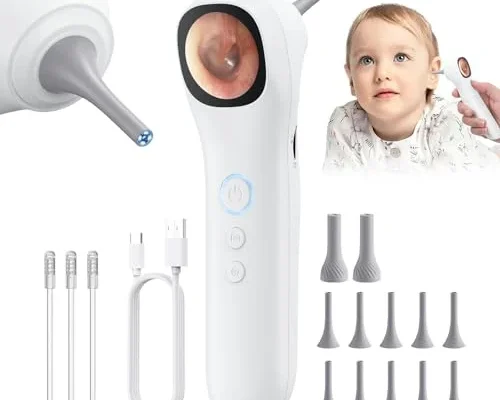
The ideal room temperature for a newborn to sleep is between 68°F and 72°F (20°C and 22°C), according to guidance from the American Academy of Pediatrics (AAP) and most pediatric sleep specialists.
Some doctors extend this range slightly to 65–74°F (18–23°C) depending on the baby’s clothing and bedding.
Keeping a newborn’s sleep environment within this range reduces the risk of overheating one of the leading risk factors associated with Sudden Infant Death Syndrome (SIDS).
A room that feels comfortably cool to an adult is generally the right temperature for a sleeping baby.
Why Room Temperature Matters for Newborns
Newborns cannot regulate their own body temperature the way older children and adults can. Their thermoregulatory system the biological mechanism that controls internal body heat is immature at birth and continues developing through the first months of life.
This means a newborn cannot shiver effectively to warm up or sweat efficiently to cool down.
When a baby’s sleep environment is too warm, their core body temperature can rise to unsafe levels without any visible warning signs.
Overheating suppresses the infant’s natural arousal response — the reflex that causes babies to wake or shift position when something is wrong.
Research strongly links overheating to an increased risk of SIDS, making room temperature one of the most important and most overlooked elements of safe infant sleep.
Cold environments carry their own risks, but overheating is considered the more common and more dangerous problem in modern homes, where heating systems keep indoor temperatures high year-round.
What Doctors Recommend: The Exact Numbers
American Academy of Pediatrics (AAP): Recommends keeping the infant sleep room between 68°F and 72°F (20°C and 22°C). The AAP identifies overheating as a modifiable SIDS risk factor and advises parents to keep rooms cool rather than warm.
NHS (UK National Health Service): Recommends a room temperature of 61–68°F (16–20°C) for baby sleep — slightly cooler than the AAP range — and advises that 65°F (18°C) is the ideal target.
Safe to Sleep Campaign (NIH): Reinforces that babies should be kept warm but not hot, and that parents should be able to feel the baby’s chest or back of neck — not hands or feet — to assess warmth.
Most pediatricians converge on the practical guidance that if you, as an adult, feel comfortably cool in the room while lightly dressed, the temperature is likely appropriate for your newborn.
The Link Between Room Temperature and SIDS
Sudden Infant Death Syndrome remains one of the leading causes of death in infants under one year of age. While its exact cause is not fully understood, researchers have identified a cluster of environmental and positional risk factors — and overheating is consistently among them.
The prevailing hypothesis is that thermal stress affects the brainstem’s ability to regulate breathing and arousal during sleep. In babies who may already have subtle vulnerabilities in their cardiorespiratory control — a population that cannot be identified in advance — overheating may tip the balance toward a dangerous failure to rouse from sleep.
Studies have found that SIDS rates are higher during winter months in heated homes, where caregivers tend to over-bundle infants out of concern for cold. The instinct to keep a baby warm is natural and loving — but in practice, most newborns in modern households are more at risk of being too warm than too cold.
The safest approach, according to the evidence, is to err toward slightly cool rather than comfortably warm.
How to Tell If Your Newborn Is Too Hot or Too Cold
Because newborns cannot communicate discomfort, parents need reliable physical cues to assess their baby’s temperature. The standard medical guidance is to check the back of the neck or the chest — not the hands or feet, which are naturally cooler due to immature circulation and are not an accurate indicator of core body temperature.
Signs your newborn may be too hot:
- Skin feels warm or hot to the touch on the chest or back of neck
- Flushed or red face and skin
- Rapid breathing or noticeable sweating
- Damp hair at the back of the head
- Unusual restlessness or difficulty settling into sleep
- Feels hot when you press your lips gently to their forehead
Signs your newborn may be too cold:
- Skin feels cool or cold to the touch on the chest
- Pale or mottled (blotchy) skin coloring
- Baby is unusually still or less active than normal
- Hands and feet are very cold and bluish — though note this is often normal in young newborns due to circulation
A useful rule of thumb from many pediatricians: dress your newborn in one more layer than you yourself are comfortable wearing in the same room. In a bedroom set to 70°F, a onesie plus a light sleep sack is typically sufficient.
Dressing Your Newborn for Sleep at Different Temperatures
Clothing and bedding interact directly with room temperature to determine how warm your baby actually is. The TOG (Thermal Overall Grade) rating system — widely used on infant sleep sacks and swaddles — helps parents match clothing to room conditions.
Room temperature 61–65°F (16–18°C): A long-sleeved onesie under a 2.5 TOG sleep sack, or a footed sleeper with a warm swaddle. This is on the cooler end; ensure the baby is well-layered but not over-bundled.
Room temperature 65–70°F (18–21°C): A short or long-sleeved onesie with a 1.0–2.5 TOG sleep sack. This is the most common home temperature range and the sweet spot for newborn sleep.
Room temperature 70–74°F (21–23°C): A short-sleeved onesie with a 0.5–1.0 TOG sleep sack, or a light swaddle blanket. Avoid heavy sleepers at this temperature.
Room temperature above 75°F (24°C): A single-layer onesie or just a diaper with a very light 0.2–0.5 TOG muslin swaddle. At these temperatures, watch closely for signs of overheating.
Loose blankets should never be placed in a newborn’s sleep space, regardless of temperature. They are a suffocation hazard and a SIDS risk. Sleep sacks and swaddles — which stay secured around the baby — are the safe alternative to traditional blankets.
Room Temperature vs. Ambient Temperature
One important nuance that many parents miss: the temperature on your home thermostat reflects the ambient air temperature of the house as a whole — not necessarily the temperature inside the baby’s room, near the floor, or inside the crib.
Several factors can make your baby’s actual sleep environment warmer or cooler than the thermostat suggests:
Direct sunlight streaming through a window can raise the temperature of a crib significantly, even when the room feels cool to an adult standing away from it.
Proximity to heating vents or radiators can create hot pockets in a room that the thermostat does not register.
Thick curtains and poor ventilation trap heat in a room and keep it warmer than the rest of the house.
The crib itself — particularly firm, dense mattresses with waterproof covers — retains heat more than the surrounding air.
The most reliable approach is to place a dedicated room thermometer near the baby’s sleep area — ideally at crib level — rather than relying solely on the house thermostat. Small, affordable digital thermometers designed for nurseries are widely available and give you an accurate real-time reading.
Seasonal Adjustments: Summer vs. Winter
Keeping the Nursery Cool in Summer
Summer heat is a genuine challenge for newborn sleep safety. Air conditioning is the most effective solution, but not every family has access to central cooling.
If you are managing summer heat without air conditioning, a fan circulating air in the room — without pointing directly at the baby — can reduce perceived temperature and improve air circulation. Keeping blinds or blackout curtains closed during daylight hours prevents solar heat gain. Dressing the baby in minimal, breathable layers and using a lightweight muslin sleep sack keeps them comfortable without overheating.
Never place a portable fan directly blowing on a newborn. The goal is air circulation in the room, not airflow directly on the baby.
Keeping the Nursery Warm Enough in Winter
The instinct to over-bundle a baby in cold weather is understandable but often leads to overheating. Central heating in most modern homes keeps indoor temperatures well above the danger threshold for hypothermia — the real risk in winter is too warm, not too cold.
Maintain the thermostat within the recommended range at night. If you are concerned about drafts, addressing gaps in windows and doors is more effective and safer than adding extra layers to the baby. A sleep sack is warmer and safer than a blanket.
What About Space Heaters in the Nursery?
Most pediatricians and fire safety organizations advise against using portable space heaters in a baby’s room. The risks include fire hazard, the potential for the room to overheat past safe thresholds while you sleep, and carbon monoxide risk with certain heater types. If maintaining temperature is a concern, a whole-home heating system with a thermostat in the nursery is the safest approach. If a space heater is used, it should be a modern, thermostat-controlled model with automatic shut-off, placed well away from the crib and any soft furnishings, and never left on overnight without monitoring.
Other Safe Sleep Conditions to Maintain Alongside Temperature
Room temperature is one component of a safe newborn sleep environment, but doctors emphasize it in the context of broader safe sleep practices:
Sleep position — always place a newborn on their back for every sleep, every time, until their first birthday. Side and stomach sleeping significantly increase SIDS risk.
Sleep surface — a firm, flat mattress in a safety-approved crib, bassinet, or play yard. No inclined sleepers, soft surfaces, or co-sleeping on adult mattresses.
Room sharing without bed sharing — the AAP recommends that babies sleep in the same room as their parents for at least the first six months, ideally the first year, but in their own separate sleep space. Room sharing has been shown to reduce SIDS risk; bed sharing with an infant on an adult mattress increases it.
No soft objects in the sleep space — no pillows, positioners, bumper pads, stuffed animals, or loose blankets inside the crib.
Smoke-free environment — exposure to secondhand smoke significantly increases SIDS risk, and this includes the sleep environment.
Frequently Asked Questions
What is the ideal room temperature for a newborn at night?
Between 68°F and 72°F (20°C and 22°C) is the range most commonly recommended by pediatricians and the AAP. The NHS recommends a slightly cooler target of around 65°F (18°C). Within this range, the baby should be dressed appropriately — not over-bundled.
Is 74°F too warm for a newborn to sleep?
It is on the higher end of acceptable. At 74°F, a baby should be dressed minimally — a single light layer or onesie with a very light sleep sack. Watch closely for signs of overheating such as flushing, sweating, or damp hair.
Is 65°F too cold for a newborn?
Not necessarily — 65°F is within the range recommended by the NHS and considered acceptable by many pediatricians, provided the baby is dressed in an appropriately warm sleep sack or swaddle. Check the back of the neck: if it feels warm, the baby is fine.
Can a room that’s too cold cause SIDS?
The primary thermal risk factor for SIDS that research identifies is overheating, not cold. However, extremely cold environments are also unsafe and can stress a newborn’s immature thermoregulatory system. The goal is within the recommended range — not too hot, not too cold.
Should I use a fan in the baby’s room?
Some research suggests that running a fan in the baby’s room — without it blowing directly on the baby — is associated with a reduced SIDS risk, possibly by improving air circulation and preventing carbon dioxide accumulation around the baby’s face. A fan that circulates air in the room is generally considered safe and potentially beneficial.
How do I know if my newborn is too hot at night?
Check the back of the neck or chest — not the hands or feet. If the skin feels hot, sweaty, or damp, the baby is likely too warm. Remove a layer, lower the thermostat slightly, and check again within a few minutes.
Key Takeaways
The ideal room temperature for newborn sleep is 68–72°F (20–22°C), with some doctors extending this slightly to 65–74°F depending on clothing. Overheating is a documented SIDS risk factor — err toward cooler rather than warmer.
Dress your baby in one more layer than you would wear comfortably in the same room, use a TOG-rated sleep sack instead of loose blankets, and place a dedicated thermometer at crib level for accurate readings.
Trust the back of the neck — not hands or feet — to assess your baby’s warmth. Temperature is one part of safe sleep: back position, firm flat surface, and a smoke-free room-sharing environment complete the picture your pediatrician recommends.

- Baby Health Monitoring Tools For Home: Essential Devices Parents 2026 - March 18, 2026
- Crib Safety Checklist for New Parents - March 18, 2026
- Ideal Room Temperature for Newborn Sleep (Doctor Advice) - March 18, 2026