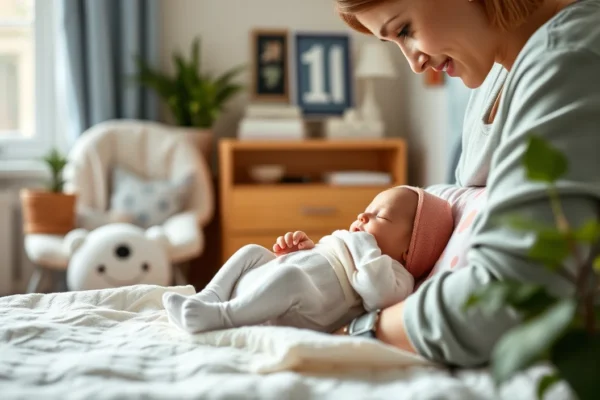

Ensuring your infant sleeps safely is essential for their well-being. With so much information available, it can be overwhelming to know what practices to follow. Understanding the best sleeping arrangements can significantly reduce risks and promote better sleep for your little one.
Infant safe sleeping recommendations include placing your baby on their back to sleep, using a firm mattress, and keeping the crib free of soft bedding. Additionally, breastfeeding and avoiding smoke exposure can further enhance your baby’s safety during sleep.
Core Safe Sleep Concepts
Understanding core safe sleep concepts is crucial for reducing risks associated with infant sleep. These principles guide caregivers in creating a safe sleeping environment that minimizes the likelihood of sleep-related incidents, including Sudden Infant Death Syndrome (SIDS). Following these recommendations is essential for the well-being of infants.
One of the foundational principles is placing the infant on their back for every sleep time, whether during naps or overnight. This position significantly lowers the risk of SIDS. Infants should be placed on a firm mattress, free from soft bedding, toys, or bumper pads that could pose suffocation hazards. The sleep surface should adhere to safety standards, ensuring the mattress is designed specifically for infants.
Room-sharing is recommended, where the infant sleeps in the same room as the caregiver, but on a separate sleep surface. This arrangement allows for easier monitoring while reducing the risk of SIDS. It is also advised to avoid overheating; maintaining a comfortable room temperature and dressing the infant appropriately can help prevent overheating during sleep.
Lastly, exposure to smoke during pregnancy and after birth should be completely avoided. This includes both maternal smoking and exposure to secondhand smoke. Implementing these safe sleep concepts is vital for ensuring an infant’s safe sleep environment.
SIDS Risk Factors
Understanding the risk factors associated with Sudden Infant Death Syndrome (SIDS) is crucial for implementing effective safe sleep practices. These factors can vary and may increase the likelihood of SIDS occurrences in infants. Recognizing these risks can help caregivers take proactive steps to create a safer sleep environment.
Several risk factors have been identified that contribute to SIDS. These include:
- Sleep Position: Infants placed on their stomachs or sides are at a higher risk than those who sleep on their backs.
- Sleep Environment: Soft bedding, such as pillows, blankets, or bumper pads, can increase the risk. Sleeping on a soft surface like a sofa or armchair is also dangerous.
- Parental Smoking: Exposure to smoke during pregnancy or after birth raises the risk of SIDS significantly.
- Premature Birth: Infants born prematurely or with low birth weight are at a greater risk due to underdeveloped respiratory systems.
- Maternal Factors: Young maternal age, inadequate prenatal care, and substance abuse during pregnancy are associated with increased SIDS risk.
By being aware of these risk factors, parents and caregivers can make informed decisions that contribute to safer sleep practices for their infants.
Sleep Environment Setup
Creating a safe sleep environment is essential for reducing risks associated with infant sleep. This section covers the specific components of a safe sleeping area, including crib specifications and room temperature, to ensure that your infant sleeps securely and comfortably.
Crib Specifications
The crib or bassinet should meet current safety standards. Ensure it has a firm mattress that fits snugly without gaps. The crib should have slats no more than 2 3/8 inches apart to prevent the infant from slipping through. Avoid using soft bedding such as pillows, blankets, or bumper pads, as these can increase the risk of suffocation and SIDS.
Room Temperature
Maintaining an appropriate room temperature is vital for safe sleep. The ideal range is between 68°F and 72°F (20°C to 22°C). Overheating can increase the risk of SIDS, so dress your baby in light sleep clothing and use a sleep sack instead of heavy blankets. Regularly check your infant’s neck or back to assess if they are too hot or too cold.
Safe Sleep Positioning
Safe sleep positioning is crucial for reducing the risk of Sudden Infant Death Syndrome (SIDS). This section outlines the recommended sleeping positions for infants, emphasizing the importance of placing them on their backs to sleep. Understanding these guidelines ensures infants have a safer sleep environment.
Infants should always be placed on their backs for all sleep times, including naps and overnight sleep. Back sleeping significantly lowers the risk of SIDS compared to other positions. It is essential for caregivers to consistently follow this guideline to promote safety during sleep.
Avoid placing infants on their bellies or sides to sleep. Belly sleeping is associated with an increased risk of SIDS, as it can lead to rebreathing of carbon dioxide and overheating. If an infant rolls onto their belly during sleep, caregivers should gently roll them back onto their back. Additionally, ensure that the sleep surface is firm and free from soft bedding, pillows, or toys that could pose a suffocation risk.
Sleepwear and Bedding Choices
Selecting appropriate sleepwear and bedding is critical for ensuring infant safety during sleep. The right choices can help regulate body temperature and minimize the risk of suffocation or overheating.
Swaddling Best Practices: Swaddling can promote sleep by mimicking the womb environment. Use lightweight, breathable fabrics to avoid overheating. Ensure the swaddle is snug around the arms but allows for natural hip movement. Always place the swaddled infant on their back for sleep and discontinue swaddling once they show signs of rolling over.
Mattress Selection: Choose a firm, flat mattress that fits snugly in the crib without any gaps. Soft mattresses, bedding, or cushions can increase the risk of suffocation. The American Academy of Pediatrics recommends using a mattress covered with a fitted sheet, avoiding any additional bedding such as blankets, pillows, or toys in the crib. This ensures a safe sleeping environment that reduces hazards.
Case Studies of Safe Sleep Practices
This section highlights successful implementations of safe sleep practices in various settings. By examining hospital protocols and parental adherence, we can identify effective strategies that promote infant safety during sleep.
Hospital Protocols
One hospital implemented a comprehensive safe sleep initiative that included training staff on the latest guidelines. This involved regular workshops and assessments to ensure adherence to best practices. The hospital also provided educational materials to parents upon admission, reinforcing the importance of placing infants on their backs to sleep, using a firm mattress, and avoiding soft bedding.
Parental Adherence
A community program focused on educating parents about safe sleep practices through home visits. Social workers provided guidance on creating a safe sleep environment, including using cribs that meet safety standards and maintaining a smoke-free home. Follow-up surveys indicated a significant increase in parental understanding and compliance with safe sleep recommendations, leading to a reduction in sleep-related incidents.
Comparative Analysis of Guidelines
This section compares infant safe sleeping recommendations from key organizations, focusing on the American Academy of Pediatrics (AAP) and the World Health Organization (WHO). Understanding these differences is crucial for caregivers to ensure the safest sleep environment for infants.
| Guideline | AAP Recommendations | WHO Recommendations |
|---|---|---|
| Sleep Position | Supine (on back) | Supine (on back) |
| Sleep Surface | Firm mattress with fitted sheet | Firm mattress with fitted sheet |
| Bedding | No soft bedding, toys, or bumpers | No soft bedding, toys, or bumpers |
| Room Sharing | Recommended for at least 6 months | Recommended for at least 6 months |
| Pacifier Use | Encouraged during sleep | Encouraged during sleep |
Regional variations may exist, with some countries adapting guidelines based on local practices and cultural beliefs. However, the fundamental principles of safe sleep remain consistent across major health organizations, emphasizing the importance of a safe sleeping environment to reduce the risk of sudden infant death syndrome (SIDS).
Quick Summary
- Always place infants on their backs to sleep for every sleep time, including naps.
- Use a firm sleep surface, such as a crib or bassinet, with a tight-fitting mattress.
- Keep soft objects, toys, and loose bedding out of the infant’s sleep area to reduce the risk of suffocation.
- Share a room with the infant, but not the same bed, to ensure a safe sleep environment.
- Maintain a comfortable room temperature to avoid overheating; dress the infant in light sleep clothing.
- Encourage tummy time when the infant is awake to promote motor skills and reduce the risk of flat head syndrome.
- Consider offering a pacifier at nap time and bedtime to help reduce the risk of sudden infant death syndrome (SIDS).
Frequently Asked Questions
What is the safest sleep position for my infant?
Infants should always be placed on their backs to sleep, as this position significantly reduces the risk of Sudden Infant Death Syndrome (SIDS). Once your baby can roll over on their own, you can allow them to find their preferred sleeping position.
What type of mattress is best for my baby’s crib?
A firm, flat mattress is recommended for your baby’s crib or bassinet. Avoid soft bedding, as it can increase the risk of suffocation and SIDS.
Is it safe for my baby to sleep with blankets or stuffed animals?
It’s best to keep the crib free of blankets, pillows, and stuffed animals until your baby is at least 12 months old. Instead, use a sleep sack or wearable blanket to keep your baby warm without the risk of suffocation.
How should I position my baby’s crib in the room?
Place your baby’s crib in a safe location away from windows, cords, and other potential hazards. Ensure that the crib is in a smoke-free environment and away from any heavy furniture that could tip over.
When can I start transitioning my baby to a toddler bed?
Most children are ready to transition to a toddler bed between 18 months and 3 years old, depending on their development and ability to climb out of their crib. Look for signs of readiness, such as climbing out of the crib or needing more space to sleep.

- When Can Babies Start Sleeping on Their Stomach? - March 1, 2026
- Can Babies Sleep on a Slight Incline? Safety Guidelines - March 1, 2026
- 10 Natural Ways to Improve Your Sleep Quality Tonight - March 1, 2026