

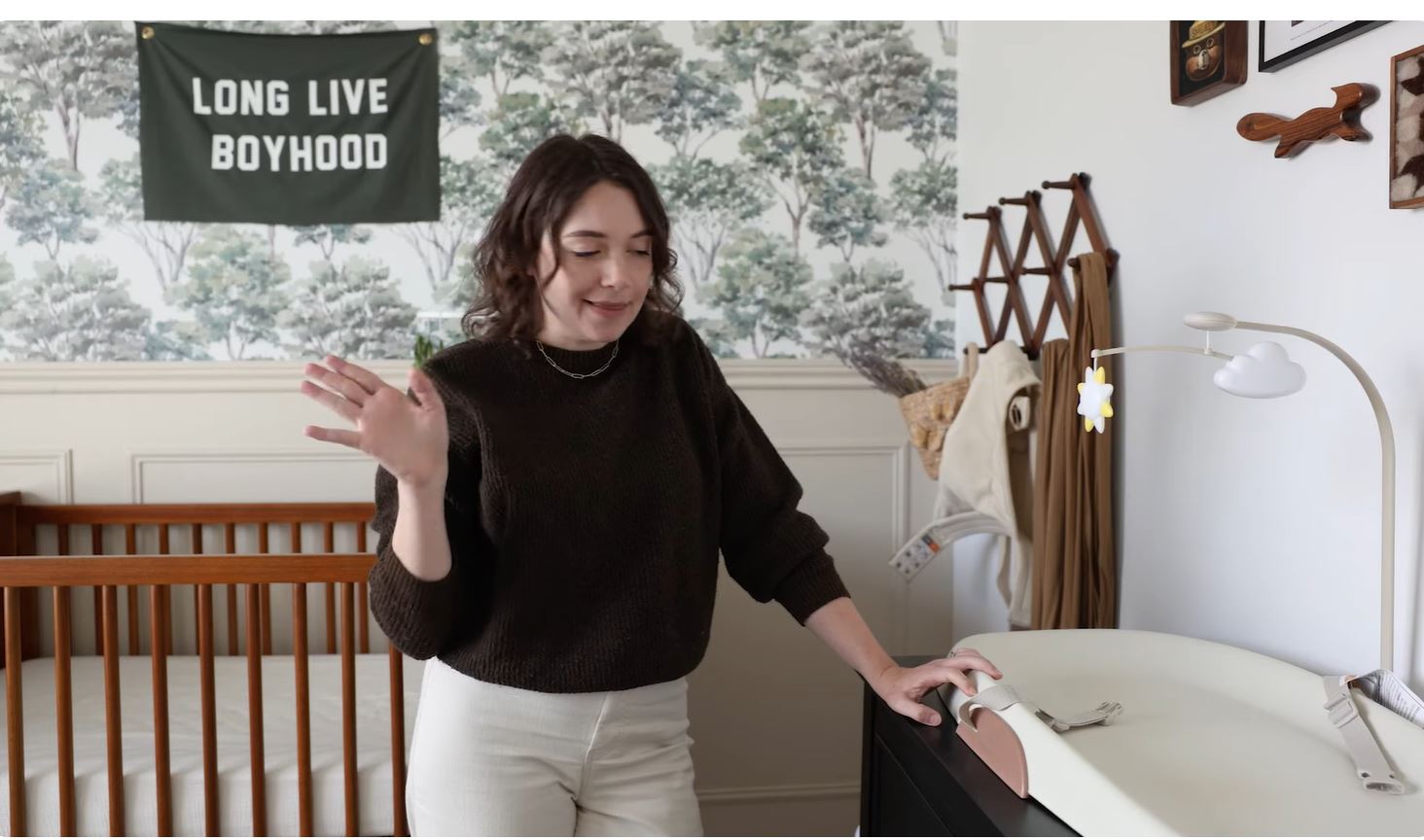
A well-organized nursery makes daily routines smoother for parents and creates a comfortable space for little ones. With so many baby items clothes, diapers, toys, feeding tools, and skincare products things can get messy in no time. Parents often look for space-saving ideas that keep items tidy, safe, and within reach. Whether you have a small nursery or a spacious room, smart storage solutions can help maintain order and reduce stress during feeding, diaper changes, and playtime.
This guide focuses on five simple yet effective ways to keep a nursery neat and functional. You’ll find storage options that work for newborns, toddlers, or shared kids’ rooms. Each idea includes product-based solutions, DIY options, and parent-friendly tips to keep the room clutter-free. From labeled bins to vertical storage and crib-side organizers, these ideas work for any decor style and budget.
The goal is to create a nursery layout where everything has a place without overcrowding the room. You’ll learn how to store baby clothes by size, rotate toys, use vertical shelves, and manage diaper changing essentials for quick access. By applying these ideas, parents can enjoy a tidy space that saves time and makes caregiving easier.
Curtains look nice but require rods, brackets, and holes in walls. I avoided them in my apartment to keep things simple and landlord-friendly. Curtain-free blackout methods save time, money, and effort. They block light completely, offer privacy, and fit any lifestyle renters, minimalists, or travelers. I’ve used these hacks in bedrooms, bathrooms, and even hotel rooms. They create dark, cool spaces without permanent changes. Let’s explore why people skip curtains and what drives the need for these solutions.
Common Reasons for No-Curtain Blackouts
Better Sleep for Night-Shift Workers
Night-shift workers need daytime sleep, but sunlight disrupts rest. I know a nurse who struggled to nap until she used blackout film. It blocked 99% of light, mimicking night. These solutions set up fast—no drilling needed. Workers wake refreshed, ready for shifts. You’ll sleep deeply with a pitch-black room.
Privacy for Bedrooms and Bathrooms
Privacy is crucial in bedrooms and bathrooms. I covered my bathroom window with a cling film for instant seclusion. No one peeks in, and light stays out. These methods hide views without bulky curtains. You’ll feel secure in your private spaces.
Renters Avoiding Drilling
Renters face strict landlord rules. Drilling for curtain rods risks deposits. I used adhesive films instead—zero holes. They peel off clean, leaving no trace. These hacks let renters blackout rooms safely. You’ll move out stress-free, deposit intact.
Minimalist Design Preference
Minimalists love clean, uncluttered looks. Curtains add bulk, but films or shades keep lines sleek. I chose a frosted cling for my living room—it’s modern and simple. Rooms feel open, airy. You’ll love the minimalist vibe with these solutions.
Temporary Fix for Travel or Guest Rooms
Travelers and hosts need quick fixes. Hotel windows often leak light, and guest rooms lack curtains. I pack portable blackout inserts for trips. They set up in minutes, no tools. Guests sleep better, and travelers rest anywhere. Your temporary spaces turn dark fast.
Best No-Curtain Methods to Blackout a Window (DIY & Product Options)
After testing dozens of blackout methods, I found solutions that block light, save money, and suit any room. From DIY foil to store-bought blinds, these hacks don’t need drills or permanent changes. Some are renter-friendly, others portable for travel. I’ve used them on ceramic glass windows and standard frames—they work everywhere. Let’s break down the best options, with steps and tips to make your room a dark oasis.
Using Blackout Window Film
Blackout window film blocks 99% of light, creating near-total darkness. I applied a static-cling film to my bedroom window, and morning glare vanished. It’s removable, leaving no residue, perfect for renters. UV-blocking properties cut heat, keeping rooms cool. I noticed lower AC bills in summer. Films come in various thicknesses—thicker ones last longer.
How to Apply Blackout Film
Clean your window with soap and water. Spray the glass lightly with water for static-cling types. Peel the film, align it, and press it on. I use a credit card to smooth bubbles, starting from the center. Trim edges with a utility knife for a perfect fit. It takes 10 minutes and lasts months. Peel off anytime without damage.
Best Film Types
Static-cling films stick without glue, ideal for temporary use. I used a Gila brand film—it’s durable and easy. Permanent films need adhesive but block more light. Choose UV-blocking for heat control. Films cost $10-30 and fit most windows. Your room stays dark and cool.
Pros and Cons
Pros: Easy to apply, renter-friendly, cuts UV and heat. I saved on energy costs. Cons: Bubbles if you rush, not ideal for textured glass. Apply carefully for a sleek look. Your windows turn blackout in minutes.
Blackout Blinds
Blackout blinds hug windows tightly, stopping light leaks. I installed cordless roller blinds inside my window frame—no drilling with clip mounts. They block 95% of light and insulate, keeping rooms quiet. Cellular blinds trap air, adding soundproofing. I sleep through street noise now.
Types of Blackout Blinds
Roller blinds roll up neatly. I chose a white one for daytime style. Cellular blinds have honeycomb cells, boosting insulation. I tested both—cellular quiets better. Inside mounts fit frames; outside mounts cover walls. Clips or adhesive mounts skip screws. Your blinds fit any setup.
Installation Steps
Measure your window frame. Clip blinds to the top or stick with adhesive brackets. I set mine up in 5 minutes. Roll down for darkness, up for light. Dust weekly with a microfiber cloth. Blinds cost $20-100 and last years. Your room turns cave-like instantly.
Safety and Maintenance
Choose cordless blinds for kids’ rooms. I avoid cords my toddler grabs everything. Clean with a damp cloth to prevent dust buildup. Check clips monthly for looseness. Blinds stay functional and safe. You’ll love the dark, quiet sleep.
Blackout Shades
Blackout shades fold or roll, blocking light with no gaps. I taped adhesive pleated shades to a bathroom window for privacy and darkness. Cordless designs are safe for kids. Thermal shades insulate, cutting cold drafts. My room stayed cozy in winter.
Popular Shade Styles
Pleated shades fold compactly. I used paper ones for a quick fix—cheap at $15. Cellular shades trap heat, ideal for cold climates. Cordless lifts with a tab, no strings. I prefer adhesive mounts for no-drill setup. Shades fit any window size.
How to Install Shades
Measure your window. Cut shades to size with scissors for paper types. Peel adhesive backing and press to the frame. I secure bottom edges with tape for extra hold. Pull down for dark, fold up for light. Installation takes 5 minutes. Your shades block light fast.
Cleaning and Durability
Wipe shades with a damp cloth monthly. I vacuum cellular shades to remove dust. Paper shades last months; fabric ones years. Replace if torn. Adhesive shades cost $15-50 and save renters. Your room stays dark and stylish.
Blackout Window Inserts
Why Inserts Seal Perfectly
Window inserts fit like puzzle pieces, blocking 100% of light. I made foam board inserts for a guest room—no light leaks. They’re custom-cut, insulated, and soften noise. My guests slept through morning traffic. Magnetic edges make them easy to remove.
DIY vs. Store-Bought Inserts
DIY with foam board costs $10. I cut to window size, taped edges, and added magnets. Store-bought inserts, like Indow, cost $30-80 but fit perfectly. Both insulate and quiet rooms. I use DIY for temporary, store-bought for long-term. Your windows stay dark either way.
How to Make and Install
Measure your window frame. Cut foam board with a utility knife. Cover with black fabric for style. Add magnetic tape to edges. I press inserts into frames—they stick tight. Remove in seconds. Inserts last years with care. Your room becomes a sleep cave.
Benefits for Insulation
Inserts trap air, cutting drafts and noise. I saved 10% on heating with foam inserts. Thick ones (1-inch) block sound best. They’re ideal for nurseries or city apartments. Your space stays warm, quiet, and dark.
Aluminum Foil Method
Why Foil Is a Quick Fix
Aluminum foil blocks 100% light and reflects heat. I taped it over a window for a last-minute movie night. It’s dirt cheap—$5 a roll—and needs no tools. Foil’s reflective surface cools rooms in summer. I noticed less AC use.
Step-by-Step Foil Setup
Measure your window. Cut foil to size, crumpling slightly for grip. Tape edges with low-tack painter’s tape. I smooth it flat for full coverage. Double-layer for extra block. It takes 5 minutes. Peel off clean—no residue. Your room darkens instantly.
When to Use Foil
Use foil for emergencies or short-term needs. I covered a hotel window with it. It’s not pretty but works fast. Cons: Looks makeshift, tears easily. Foil’s perfect for one-off dark needs. Your sleep saves without spending much.
Pros and Cons
Pros: Cheap, blocks all light, cuts heat. I used it for a week, no issues. Cons: Unattractive, temporary. Store extra foil for quick fixes. Your budget blackout works in a pinch.
Cardboard Panel Cover
Why Cardboard Blocks Cheaply
Cardboard panels block light for pennies. I cut black poster board for a nursery window—no light sneaked through. It’s sturdy, customizable, and softens sound. I taped it up in 10 minutes. Perfect for renters or quick fixes.
DIY Cardboard Instructions
Measure your window. Cut thick cardboard or poster board to fit. Cover with black paper for opacity. Secure with low-tack tape. I slide mine into the frame for a snug fit. Remove easily—no marks. Your room turns dark fast.
Best Uses for Cardboard
Use for temporary blackouts, like guest rooms. I covered a window for a visiting friend. It’s cheap ($5-10) and effective. Cons: Not durable, looks basic. Cardboard saves for short-term needs. Your fix is fast and renter-friendly.
Tips for Durability
Use double-layer cardboard for strength. I spray-paint mine black for style. Check tape weekly—it peels in humidity. Store flat to reuse. Cardboard’s a budget champ for quick dark. Your room stays cozy.
Trash Bag Blackout Method
Why Trash Bags Work
Black trash bags block light 100%. I taped one over a window for a movie marathon—total darkness. They’re opaque, cheap ($2 for a pack), and available. Contractor bags are thicker, lasting longer. I used them for a week, no leaks.
How to Set Up Trash Bags
Cut a bag to window size. Tape edges with duct tape for a tight seal. I double-layer for extra opacity. Smooth flat to avoid wrinkles. Peel off clean—no sticky residue. Setup takes 5 minutes. Your room goes pitch-black.
Ideal Scenarios
Use for emergencies or one-time events. I covered a window for a sleepover. Cons: Looks rough, not reusable. Thick bags hold up better. Trash bags save for quick, cheap blackouts. Your dark comes fast.
Pros and Cons
Pros: Ultra-cheap, fully opaque. I spent $1. Cons: Unattractive, tears easily. Use for short-term fixes. Tape gently to avoid frame marks. Your budget blackout works instantly.
Shower Curtain Liner Hack
Why Liners Are Smart
Black shower curtain liners block light and resist water. I hung one in my bathroom with suction hooks—no drilling. It’s lightweight, folds small, and costs $10. Perfect for wet spaces needing privacy and dark.
Setting Up a Liner
Buy a black liner. Attach suction hooks to the window frame. Hang the liner over hooks. I press hooks firmly for hold. It blocks light and view. Remove in seconds. Your bathroom stays private and dark.
Best for Bathrooms
Liners resist mold and moisture. I used one for a shower window—total privacy. Cons: Not stylish, needs strong hooks. Great for renters in wet rooms. Your space hides well.
Maintenance Tips
Wipe liners with a damp cloth monthly. I check hooks weekly—they loosen on glass. Replace liners yearly for freshness. Liners save bathrooms. Your privacy stays intact.
Black Fabric or Fleece Cover
Why Fabric Absorbs Light
Black fabric or fleece soaks up light completely. I draped fleece over a window with Velcro—no light leaks. It’s washable, reusable, and soft. Costs $10-20. I used it for a nursery, keeping it cozy.
How to Hang Fabric
Measure your window. Cut fabric slightly larger. Attach peel-and-stick Velcro to frame and fabric. Press to secure. I use black fleece for softness. Remove and wash easily. Your window covers gently.
Reusability and Cleaning
Wash fabric in cold water, air dry. I clean mine monthly—no shrinking. Store folded to save space. Cons: Needs flat frame for Velcro. Fabric’s eco-friendly and durable. Your room stays dark and soft.
Best Fabric Choices
Choose thick fleece or blackout fabric. I avoid thin cotton—it leaks light. Black absorbs best. Cut oversized for full coverage. Your fabric blackout lasts seasons.
Blackout Window Cover with Velcro
Why Velcro Covers Shine
Velcro covers stick tight and remove easily. I used a black felt cover with peel-and-stick Velcro for my bedroom. It blocks 100% light, no gaps. Reusable and renter-friendly. Costs $15 and sets up fast.
Installing Velcro Covers
Measure window. Cut fabric or a blackout panel to size. Stick Velcro strips to frame and cover. Press firmly. I use 1-inch strips for hold. Lift off anytime—no residue. Your room darkens in 10 minutes.
Advantages for Flexibility
Velcro allows quick swaps. I remove mine for daylight, reattach at night. Cons: Adhesive may mark old paint. Use low-tack Velcro for safety. Your blackout adjusts to your schedule.
Durability Tips
Check Velcro monthly—it weakens in heat. I replace strips yearly. Use thick fabric for longevity. Velcro covers last years with care. Your windows stay versatile.
Privacy Window Cling Film
Why Cling Film Hides Well
Privacy cling film frosts windows, blocking views while softening light. I applied it to my office window—private but not fully dark. Static cling sticks without glue. It’s renter-friendly and peels clean. Costs $10-20.
Application Steps
Clean window with soapy water. Spray glass lightly. Peel film, align, and press. I use a squeegee to remove bubbles. Trim edges for a neat look. Takes 10 minutes. Your window frosts without residue.
When to Use Cling Film
Use for daytime privacy or semi-dark rooms. I chose it for a living room—soft light, no peeks. Cons: Not 100% blackout. Great for bathrooms or offices. Your space stays subtle and private.
Maintenance and Removal
Wipe film with a damp cloth monthly. I peel mine yearly to refresh. No sticky marks left. Store rolled to reuse. Cling film saves for light privacy needs. Your windows look modern.
Temporary Blackout Hacks for Renters & Travelers
Renters and travelers need fast, no-damage solutions. I’ve packed blackout kits for hotel stays and used renter-friendly fixes in apartments. These hacks set up in minutes, leave no marks, and travel well. From towels to clips, they’re perfect for temporary darkness. Let’s explore the best portable options.
Towel or Blanket Cover
Why Towels Work Fast
Dark towels or blankets block light instantly. I draped a black towel over my window frame for a quick nap fix. It’s free if you own one, covers fully, and cuts heat. No tools needed—perfect for renters.
How to Hang a Towel
Fold a thick towel double for opacity. Drape over the window frame. I use binder clips to secure corners. Tape edges if needed. Remove in seconds. Your room darkens without a trace.
Best Towel Types
Choose dark, thick towels—black or navy work best. I use a bath towel for full coverage. Thin ones leak light. Wash after use to keep fresh. Your towel blackout saves emergencies.
Travel Blackout Kit for Hotels
Why Travel Kits Are Handy
Travel blackout kits pack small and block light anywhere. I carry static-cling film and tape for hotel stays. They set up in 2 minutes, peel clean. My hotel rooms turn pitch-black, no matter the window.
What to Include in a Kit
Pack static-cling film, painter’s tape, and binder clips. I add a small black trash bag for backup. Roll film tightly—it fits in a backpack. Kits cost $10 to assemble. Your travels stay restful.
Setup in Hotels
Spray hotel window with water. Apply cling film, smooth bubbles. Tape edges for leaks. I use clips for extra hold. Peel off before checkout—no marks. Your hotel sleep improves fast.
Binder Clips + Blanket Trick
Why Clips Hold Strong
Binder clips grip blankets to window frames tightly. I clipped a dark blanket over a guest room window—total blackout. No tape or tools needed. Clips cost $5 and reuse endlessly. Perfect for renters.
How to Use Clips
Fold a dark blanket over the frame. Clip corners with large binder clips. I use 4-6 clips for a tight fit. Smooth blanket for full coverage. Remove in seconds. Your room goes dark easily.
Tips for Best Results
Choose heavy blankets for opacity. I use black fleece—it blocks best. Check clips weekly—they loosen on wood. Store in a drawer. Your clip hack saves for quick blackouts.
How to Reduce Light Leaks on Window Edges
Even the best blackout methods leak light at edges. I’ve sealed gaps with tape, strips, and magnets to make rooms pitch-black. These tricks ensure total darkness, especially for sensitive sleepers. Let’s fix those pesky light streaks.
Use Weather Strips
Why Weather Strips Seal Gaps
Weather strips fill window frame gaps, stopping light leaks. I stuck foam strips around my film-covered window—no more glow. They’re cheap ($5) and peel off clean. Strips also cut drafts, saving heat.
How to Apply Strips
Measure frame edges. Cut foam or rubber strips to fit. Peel adhesive and press firmly. I check for gaps with a flashlight. Strips last months. Your room stays dark and cozy.
Best Strip Types
Foam strips are soft and cheap. Rubber ones seal tighter but cost more. I use foam for renters—easy removal. Apply to all sides for full block. Your edges stay light-free.
Black Tape for Frame Gaps
Why Tape Works Simply
Black painter’s tape covers tiny frame gaps. I taped edges of my foil setup—no light sneaked through. Low-tack tape peels clean, safe for renters. It’s $3 and quick to apply.
Application Tips
Use black painter’s tape for opacity. Cut strips to frame length. Press over gaps. I replace monthly—it fades in sun. Tape keeps light out. Your blackout stays tight.
Choosing the Right Tape
Pick low-tack painter’s tape to avoid residue. I tried duct tape—too sticky. Black electrical tape works but peels harder. Tape’s a fast fix for leaks. Your edges seal cheap.
Magnet or Velcro Edge Seal
Why Magnets or Velcro Seal Tight
Magnetic or Velcro strips seal covers to frames. I used Velcro on a fabric cover—no gaps. Magnets work on metal frames. Both are reusable and renter-friendly. Your blackout locks in.
How to Set Up Seals
Attach adhesive Velcro or magnetic tape to frame and cover. Press to secure. I use 1-inch Velcro for strong hold. Check weekly for loosening. Seals last years. Your room stays pitch-black.
Best Seal Materials
Velcro’s versatile for wood or plastic frames. Magnets suit metal. I prefer Velcro—it’s cheaper ($5). Cut strips long for full coverage. Your edges block light perfectly.
Quick Comparison Table: Best Methods by Budget & Use
| Method | Cost | Long-Term/Short-Term | Appearance |
|---|---|---|---|
| Blackout Window Film | $10-30 | Short-term (months) | Clear, modern |
| Blackout Blinds | $20-100 | Long-term (years) | Sleek, rolled |
| Blackout Shades | $15-50 | Short-term (seasons) | Pleated, neat |
| Blackout Window Inserts | $30-80 | Long-term (years) | Custom, flush |
| Aluminum Foil | $5 | Short-term (weeks) | Shiny, makeshift |
| Cardboard Panel | $5-10 | Short-term (months) | Basic, hidden |
| Trash Bag | $2 | Short-term (days) | Rough, black |
| Shower Curtain Liner | $10 | Short-term (months) | Draped, waterproof |
| Black Fabric/Fleece | $10-20 | Medium-term (seasons) | Soft, cozy |
| Velcro Window Cover | $15 | Medium-term (years) | Removable, custom |
| Privacy Cling Film | $10-20 | Short-term (months) | Frosted, subtle |
This table helps you choose fast. Low-budget picks like foil or trash bags work for quick fixes. Blinds or inserts last years. Appearance matters—films look sleek, foil less so. I use films for apartments, blinds for homes. Pick what fits your wallet and style.
Safety Tips When Blocking Windows
Blackout methods must be safe. I’ve learned ventilation and fire risks matter. Covering windows traps air or heat if you’re not careful. These tips keep your room dark, breathable, and hazard-free. Let’s make your blackout safe.
Ventilation Considerations
Blocking windows can trap air, making rooms stuffy. I crack a window slightly under my film to let air flow. Fresh air prevents mold and keeps babies or sleepers comfy. Fans boost circulation. Your room stays healthy.
How to Ensure Ventilation
Open a nearby window or use a fan. I run a small fan in my nursery with inserts. Check air weekly—stale smells mean adjust. Thin films allow more flow than foil. Your blackout breathes easy.
Tools for Better Air
Use a portable fan or air purifier. I place a fan near the door for flow. Ventilated blackout keeps rooms fresh. Avoid fully sealed covers. Your space stays cool and safe.
Fire-Safe Material Choices
Choosing Safe Materials
Pick non-flammable materials like foil or blackout film. I avoid loose fabric near heaters—it’s risky. Plastic bags can melt under heat. Fire-safe choices reduce worry. Your room stays secure.
Avoiding Fire Hazards
Keep covers away from outlets or lamps. I check my foil setup for heat buildup. Use flame-retardant films or fabrics if possible. Store flammable items safely. Your blackout stays risk-free.
Maintenance for Safety
Inspect covers weekly for tears or heat marks. I replace worn foil monthly—it frays. Clean films to avoid dust buildup, which fuels fires. Safe materials last longer. Your room darkens without danger.
FAQs
Blackout solutions spark questions. I’ve tested these methods to answer common concerns. From window damage to renter picks, here’s what you need to know. Your blackout worries get solved.
Can These Methods Damage the Window?
Most methods are safe if applied right. I use low-tack painter’s tape or static-cling films—they peel clean. Avoid strong adhesives on old frames; they may chip paint. Check tape weekly for residue. Your windows stay pristine with gentle care.
Which Blackout Solution Is Best for Renters?
Blackout films and Velcro covers top renter picks. I used static-cling film in my apartment—no holes, no marks. Velcro peels off clean too. Both cost $10-20 and install in minutes. Your landlord won’t notice, and your deposit’s safe.
What Blocks 100% of Light?
Window inserts and Velcro covers with thick fabric block 100% light. I used foam inserts in my movie room—no leaks. Black fleece with Velcro seals tight too. Test with a flashlight for gaps. Your room turns pitch-black.
Conclusion
Blackout windows without curtains are easy with these no-drill hacks. Films, blinds, foil, or fabric block light for sleep, privacy, or movie nights. I love static-cling film for quick renter setups. Shades or inserts last years. Seal edges with tape or Velcro for total dark. Keep ventilation and fire safety in mind. These solutions fit renters, travelers, or minimalists. Try a foil hack for emergencies or blinds for long-term. Your room becomes a dark oasis. What’s your blackout trick? Share below—let’s swap ideas for better sleep and cozy spaces!