

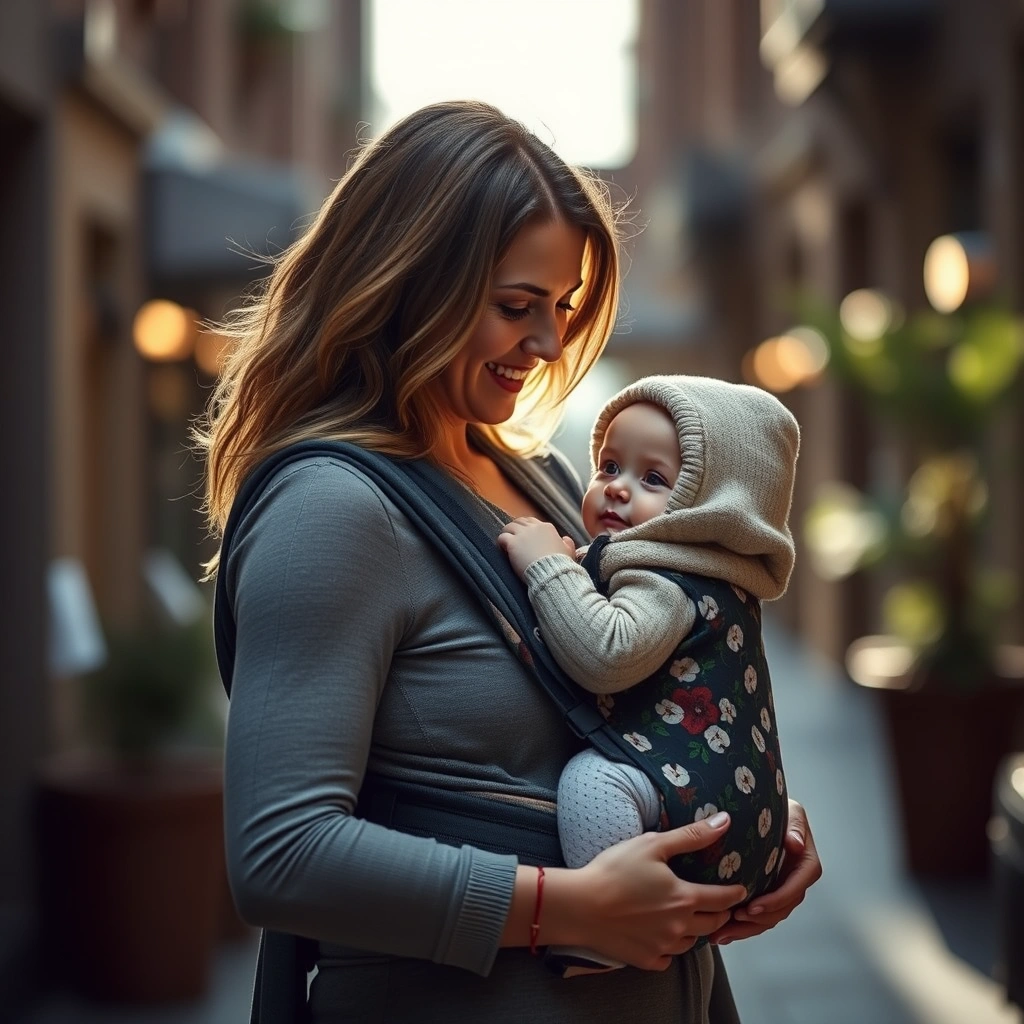
As a new parent, the world of baby gear can be both exciting and overwhelming. Among these, baby wearing stands out, offering a unique way to bond with your little one while keeping your hands free.
Babies can be worn from birth, as long as they meet weight guidelines and their necks are properly supported.
Introduction to Baby Wearing

Baby wearing can begin as soon as your baby is born, provided that you and your newborn are healthy and comfortable. It’s a beautiful way to keep your baby close, fostering bonding and providing comfort. Ensure that the carrier you choose offers good support for the baby’s head and neck, especially in the early stages.
Benefits of Baby Wearing
Wearing your baby offers numerous advantages:
- Bonding: Keeping your baby close helps strengthen the emotional connection.
- Convenience: Your hands remain free, making it easier to multitask.
- Soothing: The warmth and movement can calm a fussy baby.
- Promotes Development: Being held close can aid in cognitive and social development.
Brief History
Baby wearing is a practice that spans cultures and centuries. From African tribes using colorful wraps to Native Americans with cradleboards, the concept of carrying babies close is deeply rooted in history. These traditional methods have influenced modern baby carriers, blending practicality with cultural significance.
When to Start Baby Wearing
Newborn Guidelines
Baby wearing can start from birth if done safely and comfortably. Newborns have specific needs, such as head and neck support, which must be met by the carrier. Look for carriers designed for newborns that provide adequate support and allow your baby’s legs to be in an ‘M’ position, where the knees are higher than the bottom.
Developmental Milestones
As your baby grows, different carriers may become more suitable. Keep an eye on these developmental signs:
- Head Control: Around 4 months, many babies gain better head control. This can open up options like soft-structured carriers.
- Sitting Up: Once your baby can sit without support, usually between 5-7 months, you might consider back carrying for comfort.
Always ensure that the carrier supports your baby’s hips and keeps their airway clear. Regularly check for recalls or warnings on your chosen carrier to ensure safety standards are met.
Choosing the Right Baby Carrier

Choosing the right baby carrier is all about ensuring safety and comfort for both you and your little one. Here’s how to get started with baby wearing effectively:
Types of Carriers
Different types of carriers cater to various needs and preferences. Here are some popular options:
- Wraps: Made from long pieces of fabric, wraps are versatile and can be tied in several ways to suit different carrying positions.
- Slings: These are easy to use and offer a snug fit, great for quick trips or around-the-house convenience.
- Structured Carriers: These come with padded straps and buckles, providing more support for longer wears.
Safety Features
When selecting a baby carrier, prioritize safety. Here are essential features to consider:
- Proper Support: Ensure the carrier supports your baby’s head, neck, and back adequately, especially for newborns.
- Secure Fastenings: Look for sturdy buckles, rings, and ties that securely hold the baby in place.
- Breathability: Opt for materials that allow airflow to keep your baby comfortable and prevent overheating.
- Leg Positioning: Ensure the carrier allows your baby’s legs to be in a ‘M’ position, which supports healthy hip development.
Tip: Check the carrier’s weight and age recommendations to ensure it’s suitable for your baby’s current stage.
Starting baby wearing can be a wonderful way to bond with your child. By selecting a suitable carrier and ensuring it meets safety standards, you can enjoy closeness and convenience while keeping your baby comfortable and secure.
Safety Considerations
Proper Positioning
Ensuring your baby is safely positioned is crucial when baby wearing. Always keep in mind the T.I.C.K.S. rule:
- Tight – The carrier should hold your baby close to you.
- In view at all times – You should always be able to see your baby’s face.
- Close enough to kiss – Your baby’s head should be as close to your chin as possible.
- Keep chin off the chest – Ensure there’s space for your baby to breathe easily.
- Supported back – Make sure your baby’s back is adequately supported.
Health Checks
Before starting baby wearing, consider your baby’s health and development:
- Age and Weight – Ensure your baby meets the minimum age and weight specified by the carrier manufacturer.
- Neck Control – Babies with limited neck control need additional support.
- Medical Conditions – If your baby has any medical conditions, consult your pediatrician before baby wearing.
Tip: Regularly check for any skin irritation or discomfort, and adjust the carrier as your baby grows.
Adjusting Baby Wearing as Your Child Grows

Infant to Toddler Transitions
As your baby grows, transitioning your baby wearing techniques to accommodate their changing size and needs is essential. Start by recognizing signs that your child is ready for a different carrying position. For instance, as they gain head and neck control, which typically occurs around 5-6 months, you can shift from a front inward-facing carry to a front outward-facing carry. This allows your curious baby to explore the world around them, enhancing their engagement with their surroundings.
Once your child can sit independently, usually around 6-9 months, you might consider transitioning to a back carry. This position provides more comfort for you and gives your toddler a better view while keeping them secure.
Carrier Adjustments
Adjusting your carrier as your child grows ensures safety and comfort. Most carriers are designed to accommodate your child’s growth, so familiarize yourself with the adjustable features of your chosen carrier.
- Shoulder and Waist Straps: These should be adjusted to distribute weight evenly across your body, minimizing strain as your child gets heavier.
- Seat Adjustments: Ensure the seat supports your child from knee to knee, promoting proper hip development. Many carriers have adjustable panels that expand as your child grows.
- Back Support: Check that the carrier supports your child’s back, allowing them to maintain a natural curve of the spine.
Always follow the manufacturer’s instructions for safe use and check for wear and tear regularly to ensure your carrier remains in good condition.
Tip: Attend a local baby wearing workshop or consult with a certified baby wearing consultant to learn more about adjusting your carrier correctly.
Common Challenges and Solutions
Comfort Issues
Ensuring both you and your baby are comfortable while babywearing can be challenging. Here are some practical solutions:
- Proper Fit: Adjust the carrier to ensure it fits snugly but not too tight. Your baby’s head should be close enough to kiss, and their back should be supported.
- Clothing Choices: Dress both yourself and your baby in breathable layers to prevent overheating and ensure comfort.
- Carrier Type: Choose a carrier that suits your body type. Some parents find wraps more comfortable, while others prefer structured carriers.
Tip: If you experience back pain, try adjusting the straps or consider a different carrier style.
Fussy Babies
Some babies may initially resist being worn. Here’s how you can help them adjust:
- Gradual Introduction: Start by wearing your baby for short periods around the house before taking longer outings.
- Movement and Sound: Gentle rocking or walking while humming can soothe a fussy baby. The rhythmic movements mimic the womb environment.
- Distraction: Engage your baby with songs or toys attached to the carrier to make the experience more enjoyable.
Tip: Experiment with different carrying positions to see which your baby prefers.
Incorporating Baby Wearing into Daily Life
Integrating baby wearing into your daily routine can start from the early weeks, as soon as you and your baby are comfortable. Many parents find that baby wearing can simplify life, create bonding moments, and help manage daily tasks with a little one in tow.
Activities You Can Do
Wearing your baby allows you to have your hands free, making it easier to run errands, do household chores, or enjoy a stroll in the park. Here are some activities you can incorporate:
- Grocery Shopping: Keep your baby close while you pick out groceries. It makes the experience less stressful for both of you.
- Household Chores: Light tasks like folding laundry or dusting can be done with your baby snugly wrapped against you.
- Outdoor Walks: Enjoy the fresh air together. It’s great for both bonding and your mental health.
Bonding Opportunities
Baby wearing is an excellent way to strengthen your connection with your child. Here’s how it can enhance bonding:
- Closer Contact: The physical closeness encourages bonding. Your baby can hear your heartbeat and voice, which are familiar and comforting.
- Responsive Parenting: Being close allows you to quickly respond to your baby’s needs, fostering a sense of security.
- Shared Experiences: As you go about your day, your baby is right there with you, sharing in your activities and absorbing their surroundings.
Tip: Always ensure your baby is in a safe position – upright, close enough to kiss, and with their airway clear.
Cultural Perspectives on Baby Wearing
Baby wearing starts as soon as you and your baby are comfortable, but cultural practices offer a variety of approaches that might inspire your choice. Each culture has unique traditions that continue to shape modern adaptations.
Global Practices
Many cultures have a rich history of baby wearing. In Africa, mothers often use a simple cloth to tie their babies on their backs, providing comfort and security from birth. In parts of Asia, such as Japan and Korea, baby wraps or carriers are used almost immediately after birth, allowing for close contact. Indigenous cultures in the Americas have long used cradleboards or rebozos to carry infants, emphasizing bonding and practicality.
Modern Trends
Today, baby wearing has evolved with new designs and materials that cater to modern needs while respecting these age-old practices. Soft structured carriers and slings are popular for their ergonomic support and ease of use, suitable from birth with the right insert or design. Parents can choose from a variety of options, ensuring both safety and comfort.
When considering when to start baby wearing, look for cues from your baby and yourself. Safety is paramount, so ensure proper support for the baby’s head and hips, especially for newborns. Many brands offer guidelines for age and weight to help you make an informed decision.
Tip: Consult with your pediatrician if unsure about the right time to start baby wearing, especially if your baby was born prematurely or has special health considerations.
Quick Summary
- Baby wearing can start as soon as your baby is full-term and weighs at least 7-8 pounds. Always check with your pediatrician to ensure your baby is ready.
- Choose a baby carrier that supports your baby’s head and neck, especially in the first few months when they have limited head control.
- Ensure the carrier allows your baby’s hips to be in the ‘M’ position to promote healthy hip development and prevent hip dysplasia.
- Practice wearing the baby in the carrier at home to gain confidence and comfort before venturing out.
- Monitor your baby’s temperature and breathing while in the carrier to ensure they are comfortable and safe.
- Always follow the manufacturer’s instructions for proper use and weight guidelines of your chosen baby carrier.
- Consider different types of carriers such as wraps, slings, or structured carriers to find what works best for you and your baby.
Frequently Asked Questions
At what age can I start baby wearing?
You can begin baby wearing as soon as your baby is born, provided they meet the minimum weight limit of the carrier. It’s important to ensure that the carrier offers proper support for the baby’s head and neck, especially in the first few months.
How do I know if my baby is positioned correctly in the carrier?
Ensure your baby’s legs are in an ‘M’ position with their knees higher than their bottom, and their face is visible and close enough to kiss. This promotes healthy hip development and ensures their airway is clear.
Are there any safety tips for baby wearing?
Always check the carrier’s weight guidelines and regularly inspect it for wear and tear. Keep your baby’s face clear of fabric and ensure they have a clear airway at all times.
What type of carrier is best for newborns?
Soft structured carriers, wraps, and ring slings are often recommended for newborns, as they provide the necessary head support. Choose what feels most comfortable for both you and your baby.
Can baby wearing help with bonding?
Yes, baby wearing can enhance bonding as it keeps your baby close to your body, allowing them to hear your heartbeat and feel your warmth. This proximity can provide comfort and security to your newborn.