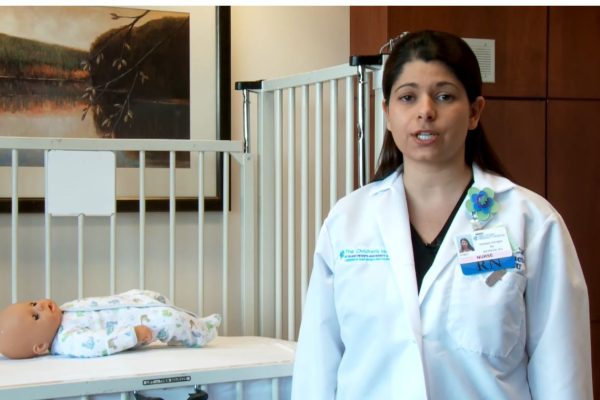


Ensuring the nursery is at the correct temperature is crucial for a newborn’s comfort and health. If the room is too cold, infants may struggle to maintain their body temperature, leading to restless sleep or increased energy expenditure. Most experts suggest that a safe ambient temperature for a newborn’s sleep area falls within a moderate range—cooler than what you might consider comfortable, but not chillingly cold. Room temperature that dips much lower than about 68 °F (20 °C) may be considered too cold for many infants, though factors like clothing, bedding, and overall baby health play a role.
It’s important to monitor not just the thermostat but how the baby feels—touching the back of the neck is a simple check. In colder rooms, layering breathable sleepwear, using a safe sleep sack, and ensuring the crib is away from drafts or external walls can help maintain appropriate warmth. At the same time, overheating must be avoided, since excessive warmth also poses risks. For parents sharing a bed with a baby, or using a bassinet near a radiator or window, extra attention should be paid to how the ambient temperature may drop suddenly during night hours. This guide walks you through specific temperature ranges, signs of a baby being too cold, recommended dress layers, best sleepwear fabrics, and how to create a sleep environment where your newborn can rest safely and comfortably.
Why Room Temperature Matters for Newborns
Room temperature directly affects a newborn’s health and sleep. Their small bodies lose heat fast, and they can’t shiver or sweat effectively. I noticed my son fussed when his room dipped too low. A cold room strains their energy, while a hot one risks overheating or worse. Getting it right creates a safe, restful space. This section explains why temperature matters and the risks of getting it wrong.
Newborn Thermoregulation Basics
Newborns struggle to maintain body heat. Their thin skin and small size lead to quick heat loss. I felt my son’s cool hands often in his first weeks. They rely on brown fat, which burns to generate warmth, but it’s limited. A chilly room forces their metabolism to work harder, tiring them out. Keeping the nursery at the right temperature supports their natural heat regulation.
Risks of a Room That’s Too Cold
A cold room makes babies lose heat rapidly. I saw my son get fussy when his room hit 64°F. Cold babies burn energy to stay warm, disrupting sleep or growth. Signs like pale skin or cold limbs signal chilling. In rare cases, hypothermia can lower body temperature dangerously. A stable room temperature prevents these issues and keeps babies cozy.
Risks of a Room That’s Too Warm
Overheating is a serious concern. My son felt sweaty when his room reached 75°F, and I worried about SIDS. Hot rooms raise body temperature, causing discomfort or sleep interruptions. Overheating increases SIDS risk, especially for babies under 6 months. Flushed skin or sweating are red flags. A balanced temperature ensures safe, restful sleep.
Recommended Room Temperature Ranges for Newborns
Finding the ideal temperature took me weeks of tweaking. The American Academy of Pediatrics (AAP) offers clear guidelines, but homes and seasons vary. I used thermometers and adjusted layers to keep my son comfortable. This section covers standard ranges, seasonal tips, and tools to monitor your nursery. A consistent temperature means better sleep for your baby.
Standard Guidelines (in °F and °C)
The AAP recommends 68-72°F (20-22°C) for newborn rooms. I set my nursery to 70°F—it’s cozy without being stuffy. This range prevents heat loss or overheating. Below 65°F risks chilling; above 75°F feels too warm. Check your thermostat daily. Your baby sleeps best in this safe zone.
| Temperature Range | °F | °C | Notes |
|---|---|---|---|
| Ideal | 68-72 | 20-22 | AAP-recommended for safe sleep |
| Too Cold | Below 65 | Below 18 | Risks chilling, poor sleep |
| Too Warm | Above 75 | Above 24 | Risks overheating, SIDS |
Adjusting for Different Seasons or Homes
Seasons and home setups affect temperature control. In winter, I seal window drafts with weather strips to keep warmth in. Summer calls for fans or AC to cool things down. My old apartment had drafty windows, so I added insulation film. Adjust heaters or cooling to maintain 68-72°F. Your baby stays comfortable year-round.
Monitor Using Thermometers & Hygrometers
A digital thermometer is essential. I place mine near the crib, away from vents, for accurate readings. Hygrometers track humidity—aim for 40-50% to prevent mold. I check both morning and night. These tools ensure the nursery stays in the ideal range, giving you peace of mind.
| Monitoring Tool | Purpose | Placement | Check Frequency |
|---|---|---|---|
| Thermometer | Tracks room temperature | Near crib, away from vents | Twice daily |
| Hygrometer | Measures humidity (40-50%) | Central in room | Daily |
Signs Your Newborn Might Be Too Cold
Spotting a cold baby takes attention. I learned to check my son’s neck and hands for clues. Physical signs and sleep changes signal if the room’s too chilly. Knowing when to act keeps your baby safe. This section covers what to look for and when to seek help.
Physical Cues to Look For
- Cool Skin: Touch the neck or chest. I noticed my son’s cool hands at 65°F.
- Pale or Mottled Skin: Pale skin shows chilling. I saw this when the heater failed.
- Cold Extremities: Cold hands or feet mean heat loss. I check toes at night.
- Blue Lips/Fingers: Rare but serious—blue lips need urgent action. I called my doctor once.
These signs tell you to warm the room or add layers.
Sleep Behavior and Comfort Signals
Cold babies wake often or fuss. My son stirred hourly in a 64°F room but slept soundly at 70°F. Shivering or curled-up limbs show discomfort. Restless tossing means they’re chilly. Adjust the temperature or layers to restore calm sleep.
When to Contact a Pediatrician
Call a pediatrician if your baby feels very cold, has blue lips, or seems lethargic. I called when my son stayed fussy despite warming. Persistent chills, poor feeding, or low energy need attention. Trust your gut—quick action keeps babies safe.
How to Dress Your Baby Appropriately for Sleep
Dressing my son for sleep was a learning curve. Too many layers made him sweaty; too few left him cold. I matched clothes to room temperature and used safe materials. Sleep sacks replaced risky blankets. This section helps you dress your baby for cozy, safe nights.
Layers and Materials for Warmth
- Cotton Onesies: Breathable cotton keeps babies comfy. I use a short-sleeve onesie at 70°F.
- Sleep Sacks: These replace blankets. My cotton sleep sack is light yet warm.
- Layering Rule: Add one layer more than you wear. I wear a T-shirt; he gets a onesie plus sack.
- Avoid Wool: Wool traps heat and irritates. I stick to cotton or bamboo.
These choices ensure warmth without overheating.
Safe Sleepwear Tips (No Loose Bedding)
Use sleep sacks or swaddles, not blankets. I learned loose bedding risks SIDS. My son’s sleep sack zips snugly. Choose breathable cotton or muslin. Ensure a secure fit—no loose fabric near the face. Your baby sleeps safely and comfortably.
Adjust According to Room Temperature
Match layers to the room. At 68-70°F, I use a onesie and light sleep sack. Below 65°F, I add a long-sleeve onesie. Above 72°F, a single cotton onesie works. I check his neck for sweat or chill. Your baby stays just right with adjusted layers.
| Room Temperature (°F) | Recommended Layers | Notes |
|---|---|---|
| Below 65 | Long-sleeve onesie + sleep sack | Add thin cotton layer |
| 68-72 | Short-sleeve onesie + light sleep sack | Ideal for most babies |
| Above 72 | Single cotton onesie | Check for sweating |
Creating an Optimal Sleep Environment
Temperature is just one piece of a cozy nursery. I moved my son’s crib to avoid drafts and chose safe bedding. Supplemental warmth options add comfort without risks. This section covers crib setup, bedding, and safe warmth solutions for restful sleep.
Crib Placement and Draft Prevention
- Away from Windows: I place the crib against an inner wall—no drafts hit. Windows leak cold air.
- Avoid Vents: Keep cribs 3 feet from AC or heater vents. I moved mine to avoid airflow.
- Seal Drafts: Weather strips on windows block cold. I taped mine for winter.
- Check Radiators: Keep cribs 4 feet from radiators. I monitor for heat buildup.
Smart placement keeps your baby cozy.
Bedding and Mattress Safety
Use a firm mattress with a fitted cotton sheet. I chose a breathable sheet—no loose edges. Avoid pillows, bumpers, or toys; they trap heat and risk SIDS. I check the mattress monthly for wear. Your baby’s bed stays safe and comfy.
Supplemental Warmth Options (without loose blankets)
Sleep sacks or wearable blankets add safe warmth. I use a 1.0 TOG sack at 68°F. For colder rooms, I add a thin cotton onesie. Avoid electric blankets—they’re unsafe for babies. Your baby stays warm without hazards.
Using Additional Tools for Temperature Control
Tools like heaters, humidifiers, and smart monitors make temperature control easier. I tested a space heater and hygrometer to keep my son’s room perfect. These devices maintain 68-72°F and proper humidity. This section explains how to use them safely.
Room Heater or Radiator Precautions
- Safe Distance: Place heaters 4 feet from cribs. I keep mine by the door.
- Auto Shut-Off: Choose heaters with tip-over protection. Mine stops if bumped.
- Monitor Heat: Check room temperature hourly. I avoid going above 72°F.
- Ventilation: Crack a window to prevent stuffiness. I use a fan for air flow.
Heaters warm safely with these steps.
Humidifier Use in Cold, Dry Air
Dry air irritates babies’ skin and noses. I run a cool-mist humidifier in winter, keeping humidity at 40%. Place it 3 feet from the crib. Clean weekly to prevent mold. Your baby’s skin and breathing stay comfortable.
Alarm Thermostat or Smart Monitor
Smart thermostats alert you to temperature changes. I use a Wi-Fi monitor—it texts if the room drops to 65°F. Place near the crib, not walls. Check accuracy monthly. Your nursery stays in the safe zone.
| Tool | Purpose | Safety Tips | Cost |
|---|---|---|---|
| Heater | Warms room to 68-72°F | Keep 4 feet from crib, use auto shut-off | $20-100 |
| Humidifier | Maintains 40% humidity | Clean weekly, place 3 feet from crib | $30-80 |
| Smart Monitor | Alerts for temperature drops | Place near crib, check monthly | $50-150 |
Frequently Asked Questions (FAQ)
New parents ask about temperature constantly. I’ve answered these based on my experience and pediatrician guidance. From layers to thermostats, this section clears up common concerns. Your questions get practical answers.
What if the Thermostat Says 65°F but I Feel Cold?
A 65°F room is too cold for newborns, even if you feel okay. I noticed my son was chilly at that temperature. Add a long-sleeve onesie and sleep sack. Use a heater to reach 68-70°F. Check baby’s neck for warmth. Your baby stays cozy.
How Do I Know How Many Layers My Newborn Needs?
Use the “one layer more” rule. At 70°F, I wear a T-shirt, so my son gets a onesie plus sleep sack. Check for sweat or cold skin. Adjust layers based on room temperature. Your baby’s comfort matches the environment.
Can I Use a Heated Mattress or Blanket for a Newborn?
No—heated mattresses or blankets risk burns and SIDS. I use a cotton sleep sack instead—it’s safer. Stick to breathable layers. Monitor room temperature closely. Your baby stays warm without danger.
Conclusion
A newborn’s room at 68-72°F ensures safe, cozy sleep. I learned this through late-night checks and constant tweaks. Use cotton sleep sacks, place cribs away from drafts, and monitor with thermometers. Humidifiers and smart thermostats help, but skip loose blankets or heated pads.
Watch for cold hands or sweaty necks to adjust layers. These steps reduce risks like chilling or overheating. Start with a sleep sack it’s a lifesaver. Your baby sleeps soundly, and you rest easy. What’s your nursery temperature hack? Share below—let’s swap ideas for happy, cozy babies!