Welcoming a new baby into the family is exciting and full of learning moments. As a new parent, you might be wondering when you can safely start baby wearing, a practice that offers convenience and closeness with your little one.
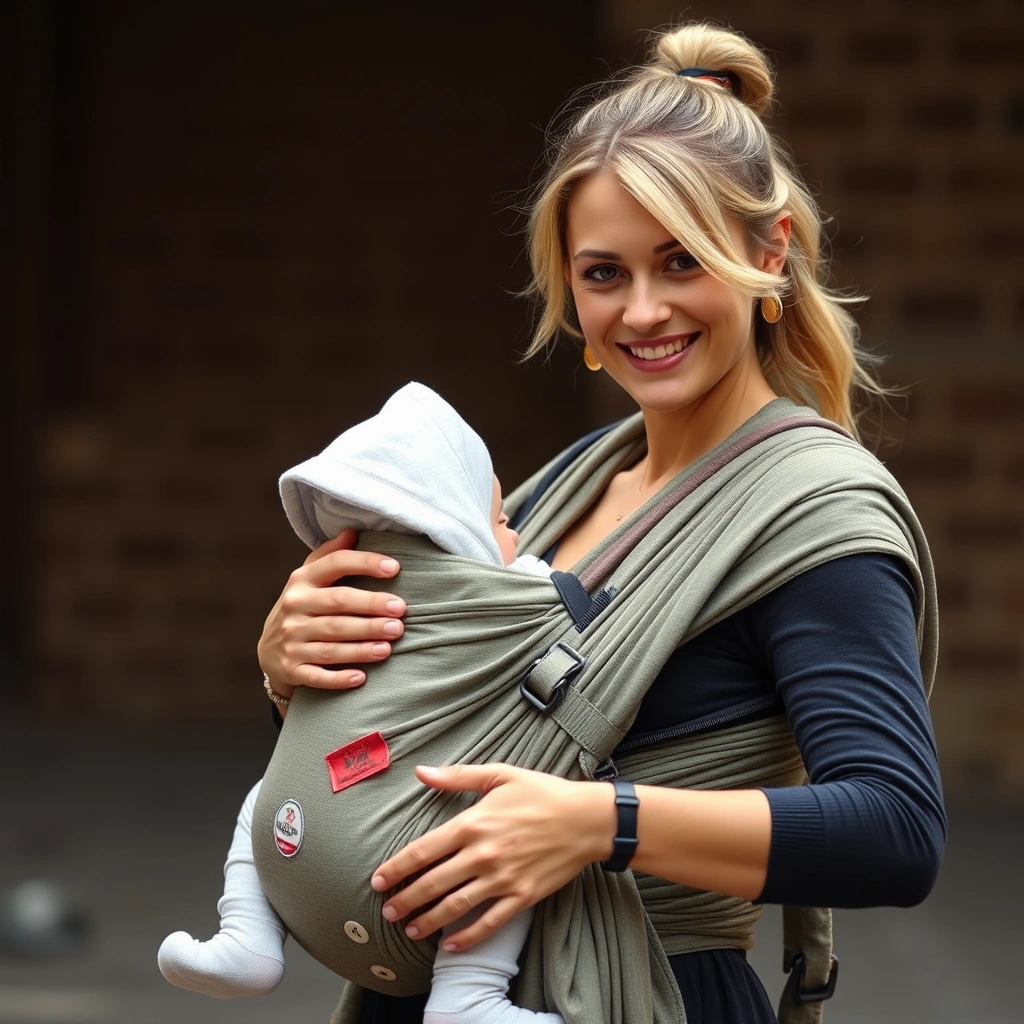
Babies can be worn from birth as long as they meet weight guidelines and have proper head support. Ensure a snug, safe fit, and always follow the manufacturer’s instructions for the best experience.
Understanding Baby Wearing

Starting baby wearing can be an exciting and comforting step for both you and your baby. Many parents begin to carry their babies using wraps, slings, or structured carriers as soon as their child is born. However, it’s essential to ensure that your little one is at least full-term and healthy. Always consult with your pediatrician if you have concerns.
Definition and Benefits
Baby wearing involves carrying your baby close to your body using a fabric carrier. This practice offers numerous benefits:
- Bonding: Keeping your baby close strengthens the emotional connection between you and your child.
- Comfort: The warmth and rhythm of your heartbeat can be soothing to your baby, often reducing crying and fussiness.
- Convenience: It allows you to keep your hands free to handle daily tasks while keeping your baby secure.
- Physical Development: Being upright helps your baby’s physical development, including head and neck control.
History of Baby Wearing
Baby wearing is not a new concept. It has been practiced across various cultures for centuries. Traditional societies around the world have long recognized the benefits of carrying infants close, using locally available materials to create carriers. These time-tested methods have evolved into modern designs that cater to contemporary needs while maintaining the heart of this nurturing practice.
Tip: Always ensure that the carrier you choose supports your baby’s hips and is appropriate for their weight and age.
Appropriate Age for Baby Wearing
Age Guidelines
You can start baby wearing from the moment your little one is born. Newborns often find comfort in being close to their caregivers, and baby carriers are designed to safely support them from day one. However, it’s essential to choose a carrier designed for newborns, offering head and neck support.
Developmental Milestones
While age provides a general guideline, it’s crucial to consider your baby’s developmental stage. Here’s a quick guide:
- Newborns (0-3 months): Look for carriers that support your baby’s head and neck. Wraps or soft structured carriers with newborn inserts are ideal.
- 3-6 months: As your baby gains head control, you can gradually introduce more carrier styles, like ring slings or convertible carriers.
- 6-12 months: With improved head and neck strength, your baby can enjoy different carrying positions, including hip and back carries, if your carrier allows.
Tip: Always keep your baby’s airways clear by ensuring their chin is off their chest.
Remember, every baby is unique. Trust your instincts and observe how your baby responds to being in a carrier. Comfort and safety are the top priorities, so feel free to consult with a pediatrician if you have any concerns.
Choosing the Right Baby Carrier

Finding the right baby carrier is essential for ensuring both safety and comfort for you and your baby. Here’s how you can choose the perfect one:
Types of Baby Carriers
There are several types of baby carriers, each catering to different needs and preferences:
- Wraps: Made of soft fabric, wraps are versatile and can be adjusted to fit snugly around your baby.
- Slings: These are worn over one shoulder and provide a cozy environment for your newborn.
- Structured Carriers: These come with padded straps and offer more support, making them ideal for longer outings.
- Mei Tais: A hybrid between a wrap and a structured carrier, offering flexibility and support.
Safety Features to Consider
When selecting a baby carrier, safety is paramount. Consider these features:
- Proper Support: Ensure the carrier supports your baby’s head and neck, especially for newborns.
- Secure Fastenings: Check that buckles and straps are sturdy and easy to adjust.
- Leg Position: Look for carriers that support a healthy hip position, with legs spread and knees slightly higher than the buttocks.
- Breathable Fabric: Choose materials that allow airflow to prevent overheating.
Starting babywearing can be a delightful experience when you have the right carrier that ensures both safety and comfort. Always follow the manufacturer’s guidelines for weight and age recommendations to keep your little one secure.
Safety Considerations
Positioning and Posture
Ensuring your baby is positioned correctly in the carrier is essential for their safety and comfort. Always follow the T.I.C.K.S. rule:
- Tight: The baby should be held snugly against your body.
- In view at all times: You should always be able to see your baby’s face.
- Close enough to kiss: Your baby should be close enough that you can easily kiss their head.
- Keep chin off the chest: Ensure there is space for two fingers between your baby’s chin and chest to maintain an open airway.
- Supported back: The baby’s back should be supported in a natural position with their tummy and chest resting against you.
Check for Recalls
Before using a baby carrier, verify that it hasn’t been recalled. You can check for recalls by visiting the Consumer Product Safety Commission (CPSC) website or the manufacturer’s website. Using a recalled product can pose safety risks, so ensure that your baby carrier is safe to use.
By focusing on these safety considerations, you can enjoy the benefits of baby wearing while ensuring your little one is secure and comfortable.
Benefits of Baby Wearing

Physical Benefits
Baby wearing offers numerous physical benefits for both you and your baby. By keeping your baby close to your body, you provide them with a comfortable position that supports healthy hip development. The natural spread-squat position that baby carriers encourage is beneficial for your baby’s hips and spine. It also helps in reducing the risk of flat head syndrome, as babies spend less time lying on their backs.
For you, carrying your baby in a wrap or sling can help improve your posture by distributing your baby’s weight evenly across your body. This can reduce back pain and strain, making it easier to carry your baby for longer periods without discomfort.
Emotional and Bonding Benefits
Beyond physical advantages, baby wearing plays a significant role in emotional bonding and development. Holding your baby close helps them feel secure and loved. The warmth and rhythm of your heartbeat can be soothing, helping to calm fussy babies more effectively than other methods.
Baby wearing also enhances your emotional connection with your baby, allowing you to be more attuned to their needs. Being close allows you to respond quickly to their cues, which helps in building trust and security. This strong bond formed during the early months can have lasting positive effects on your child’s emotional development.
Moreover, baby wearing can make it easier for you to manage daily tasks while keeping your baby soothed and content. Whether it’s a walk in the park or chores at home, wearing your baby can make life more manageable and enjoyable for both of you.
Challenges and Solutions
Common Issues
Baby wearing can be a wonderful way to bond with your little one, but it comes with its set of challenges. Some parents worry about the baby’s safety, comfort, and their own physical strain.
Tips for Overcoming Challenges
To address these concerns, consider these practical solutions:
- Safety First: Ensure the carrier is appropriate for your baby’s age and weight. Follow the T.I.C.K.S. rule: Tight, In view at all times, Close enough to kiss, Keep chin off chest, Supported back.
- Comfort: Choose a carrier with padded straps and waistbands. Adjust the fit so that the weight is distributed evenly across your body.
- Ease of Use: Practice using the carrier with a doll or a stuffed animal before trying it with your baby. This helps you become familiar with the carrier’s adjustments and fastenings.
- Physical Strain: If you experience back or shoulder pain, check the straps and adjust the fit. Take breaks if needed, and try different carrying positions to see which is most comfortable.
- Weather Considerations: Dress your baby appropriately for the weather. In hot climates, choose a breathable fabric, and in colder weather, ensure your baby is adequately layered.
“Always listen to your body and your baby. If something doesn’t feel right, it’s okay to pause and adjust.”
Cultural Perspectives on Baby Wearing
Global Traditions
Baby wearing has been a cherished practice across various cultures for centuries. In many African countries, mothers carry their infants on their backs using cloth wraps. This method not only allows the caregiver to continue daily tasks but also ensures the baby feels secure and connected. Similarly, in South America, particularly in Andean regions, women use aguayos – colorful woven cloths – to carry their children close to their bodies.
In Asia, various styles of baby carriers are common. For instance, the Mei Tai, originating from China, is a fabric carrier that ties around the waist and shoulders, providing comfort and support for both the wearer and the baby. These traditions emphasize the importance of keeping the baby close, a practice that fosters bonding and emotional well-being.
Modern Adaptations
With time, baby wearing has evolved to incorporate modern fabrics and ergonomic designs, making it accessible and comfortable for new parents globally. Western cultures, particularly in Europe and North America, have embraced baby wearing as a practical solution for busy parents. Modern carriers, like soft-structured carriers and slings, offer adjustable features to accommodate different body types and growing infants.
Today, parents can choose from a variety of carrier types, each designed to meet specific needs. Whether it’s a ring sling for quick and easy use or a structured carrier for long walks, contemporary designs ensure safety and comfort for both the baby and the wearer. Additionally, the resurgence of these practices highlights a growing awareness of the benefits of attachment parenting.
Regardless of the style or method chosen, baby wearing continues to be a meaningful way to strengthen the parent-child bond, bridging traditional practices with contemporary lifestyles.
Maintaining and Caring for Your Baby Carrier
Starting baby wearing can create a wonderful bond between you and your little one, offering comfort and closeness. To ensure your baby carrier stays in great shape, here’s how you can maintain and care for it:
Cleaning Instructions
Regular cleaning is key to maintaining your baby carrier. Each carrier may have specific cleaning instructions based on its material, so always check the manufacturer’s guidelines first. Here are some general tips:
- Spot Clean: Use a damp cloth with a mild soap to clean small stains promptly. This helps prevent dirt from setting in.
- Machine Wash: If your carrier is machine washable, use a gentle cycle with cold water and a mild detergent. It’s a good idea to use a laundry bag to protect the buckles and straps.
- Air Dry: Avoid using a dryer, as high heat can damage the fabric and straps. Lay the carrier flat to air dry.
Storage Tips
Proper storage can extend the life of your baby carrier. Consider these tips:
- Keep it Dry: Store your carrier in a cool, dry place to prevent mold and mildew.
- Avoid Direct Sunlight: Prolonged exposure to sunlight can cause fading and weaken the fabric.
- Use a Storage Bag: If your carrier came with a storage bag, use it. This can protect the carrier from dust and dirt when not in use.
By taking these steps, you can ensure your baby carrier remains safe, comfortable, and ready for use whenever you need it.
Quick Summary
- Baby wearing can start as soon as your baby is born, provided they are healthy and full-term. Ensure the carrier is suitable for newborns and supports the baby’s head and neck.
- Choose a carrier that is comfortable for both you and your baby. Options include wraps, slings, and structured carriers, each offering different levels of support and convenience.
- Always follow the T.I.C.K.S rule: Keep your baby Tight, In view at all times, Close enough to kiss, Keep their chin off the chest, and Support their back.
- Consult your pediatrician if your baby was premature or has any health issues. They can guide you on the safest way to start baby wearing.
- Pay attention to your baby’s cues. If they seem uncomfortable or fussy, adjust the carrier or take a break.
- Practice using the carrier at home before venturing out to ensure you and your baby are comfortable and secure.
- Remember, baby wearing is not only practical but also promotes bonding and can help soothe your baby.
Frequently Asked Questions
When is it safe to start babywearing?
You can start babywearing from birth as long as your baby is healthy and weighs at least 7 pounds. Always ensure that the baby’s airway is clear and they are in an upright position.
What should I look for in a baby carrier for a newborn?
Choose a carrier that provides proper head and neck support for your newborn. It should also allow your baby’s legs to be in a natural ‘M’ position.
How do I know if my baby is comfortable in the carrier?
Your baby should be in a natural position with their back supported and legs spread in an ‘M’ shape. Check that their head is close enough for you to kiss and their face is visible.
What are the benefits of babywearing?
Babywearing promotes bonding, can help soothe a fussy baby, and allows you to be hands-free while keeping your baby close. It also supports your baby’s physical and emotional development.
Are there any precautions I should take while babywearing?
Ensure your baby’s face is always visible and their chin is off their chest to prevent airway obstruction. Regularly check the carrier for wear and tear to keep it safe for use.