

Toddlers are naturally curious and energetic, making safety in your home a top priority. Establishing indoor safety rules can prevent accidents and create a secure environment for your little ones. Understanding these guidelines is essential for every parent and caregiver looking to protect their children.
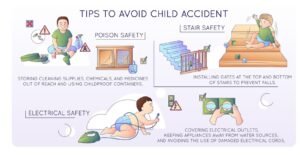
Implementing indoor safety rules for toddlers involves several key aspects: childproofing your home, keeping hazardous items out of reach, supervising playtime, and teaching basic safety concepts. These practices help ensure a safe space for exploration and learning.
undefined
This section outlines essential indoor safety rules specifically designed for toddlers. Establishing a safe environment is crucial, as toddlers are naturally curious and prone to accidents. Implementing these rules can significantly reduce the risk of injuries and create a secure space for learning and exploration.
Start by securing heavy furniture, such as bookshelves and dressers, to the wall to prevent tipping. Use corner guards on sharp furniture edges to minimize injury from falls. Keep small objects out of reach, as toddlers often put items in their mouths. Ensure that all electrical outlets are covered with safety plugs to prevent shocks.
Be cautious with cords; keep them out of reach or use cord shorteners to prevent strangulation hazards. Store cleaning supplies and medications in locked cabinets, as these can be toxic if ingested. Additionally, supervise play areas to ensure that toys are age-appropriate and free from hazards.
undefined
Establishing clear boundaries is crucial for maintaining indoor safety for toddlers. Setting rules helps children understand what behaviors are acceptable and what actions may pose risks. Consistent enforcement of these rules creates a secure environment where toddlers can explore and learn.
Implement specific rules that focus on the most common safety concerns. For example:
- Keep sharp objects and hazardous materials out of reach. This includes kitchen knives, scissors, and cleaning supplies.
- Designate play areas that are safe and free from furniture edges, cords, and other potential hazards.
- Establish rules regarding climbing. Encourage toddlers to stay off furniture and stairs without supervision.
- Encourage gentle play. Teach toddlers not to throw toys or push others during playtime to prevent injuries.
- Implement a no-running policy indoors to reduce the risk of falls and collisions.
Reinforce these rules consistently and use positive reinforcement to encourage compliance. This creates a predictable environment, helping toddlers feel secure while learning to navigate their space safely.
undefined
Establishing clear boundaries is essential for maintaining a safe indoor environment for toddlers. Setting rules helps children understand what behaviors are acceptable and what actions may lead to potential hazards. Consistency in enforcing these rules is key to helping toddlers learn and adapt.
Designate specific areas in the home for different activities. For example, create a play zone with age-appropriate toys and safe furniture. Ensure that play areas are free from sharp objects, heavy furniture that could tip over, and choking hazards. Use safety gates to restrict access to stairs or other dangerous areas.
Encourage toddlers to understand and respect boundaries by explaining the reasons behind them. Phrases like “We don’t climb on furniture because we can fall” can help them comprehend the importance of safety. Reinforce these concepts regularly, and provide positive feedback when they follow the rules.
In addition, create a “no running” rule inside the house to prevent accidents. Teach toddlers to walk inside and explain that running can lead to slips and falls. Make it clear that certain behaviors, like throwing toys or roughhousing, are not allowed indoors. Setting these guidelines will create a safer and more enjoyable environment for everyone.
undefined
Establishing clear indoor safety rules is essential for protecting toddlers. This section focuses on how to create a safe environment by managing furniture, toys, and other household items that could pose risks. Understanding these rules can significantly reduce the occurrence of accidents.
Begin by securing heavy furniture, such as bookshelves and dressers, to the wall to prevent tipping. Use anti-tip straps or brackets, ensuring that they are installed correctly. Keep sharp objects, such as scissors or knives, out of reach or stored safely in locked drawers.
Regularly inspect toys for small parts that could pose choking hazards. Ensure that toys are age-appropriate and free of any breakable components. It’s advisable to maintain a tidy play area, as clutter can lead to trips and falls. Establish a routine for cleaning up toys after playtime, teaching toddlers to participate in the process.
Designate specific play areas and remove any items that could be harmful, such as electrical cords or small objects lying on the floor. Encourage safe play by supervising activities and setting limits on where toddlers can roam. By implementing these indoor safety rules, caregivers create a secure space that fosters exploration while minimizing risks.
undefined
Step 5 focuses on establishing clear boundaries for toddler play areas. Setting these boundaries helps create a safe environment where toddlers can explore while minimizing risks. Clearly defined areas can prevent accidental injuries and help children understand what is safe and what is not.
Start by designating specific areas for play. Use gates, furniture, or playpens to create physical boundaries. Ensure these areas are free from sharp objects, breakables, and choking hazards. Keep toys and play materials appropriate for their age, ensuring they meet safety standards. Regularly inspect toys for wear and tear, discarding any that may pose a risk.
In addition to physical boundaries, establish rules for behavior within these areas. Teach toddlers to play gently and not to climb on furniture or other unsafe surfaces. Reinforce these rules consistently, using positive reinforcement to encourage good behavior. This helps toddlers understand their environment better and fosters a sense of security.
Consider using visual markers, like colorful mats or designated zones, to help toddlers recognize their play areas. This visual cue can aid in their understanding of boundaries, making it easier for them to learn safe play practices.
undefined
Creating a safe indoor environment for toddlers involves careful attention to potential hazards. This section delves into specific safety measures that should be taken in different areas of the home, ensuring that all spaces are secure and child-friendly.
Begin by securing heavy furniture, such as bookshelves and dressers, to the wall. This prevents tipping accidents, which can cause serious injuries. Use corner guards on sharp furniture edges to minimize cuts and bruises. Additionally, cover electrical outlets with safety plugs or outlet covers to protect curious fingers from electric shocks.
Utilize non-slip mats in areas where water may accumulate, like the bathroom and kitchen. These mats help prevent slips and falls. Keep all cleaning supplies, medications, and other hazardous materials locked away or stored high out of reach. Consider using child-proof locks on cabinets and drawers to further safeguard against accidental ingestion.
Establish a designated play area that is free from clutter and contains only age-appropriate toys. Regularly inspect toys for broken parts and remove any choking hazards. This curated space allows toddlers to explore safely while minimizing the risk of injury from unsafe items.
undefined
Establishing clear indoor safety rules for toddlers helps create a secure environment where they can explore and learn. This section focuses on the importance of supervision and setting boundaries to prevent accidents and injuries.

Supervision is the cornerstone of toddler safety. Always keep an eye on toddlers when they are playing, especially in areas with potential hazards. Use baby gates to restrict access to stairs or off-limit rooms. Teach toddlers to stay in designated play areas, which helps minimize risks associated with wandering into unsafe spaces.
Setting boundaries is equally crucial. Explain to toddlers which items are off-limits, such as sharp objects, electronics, or fragile decorations. Use simple language and consistent reminders to reinforce these rules. Positive reinforcement, such as praise when they follow rules, encourages good behavior.
In addition, consider creating a safe zone filled with age-appropriate toys and activities. This designated area allows toddlers to play freely while minimizing risks. Remember, a proactive approach to supervision and boundaries will significantly enhance indoor safety for toddlers.
undefined
Establishing indoor safety rules for toddlers is essential for creating a secure environment. This section will summarize key strategies that ensure ongoing safety and awareness in your home. Consistently applying these rules helps prevent accidents and promotes a safe space for your child to explore.
Regularly review and update safety measures as your toddler grows and develops new skills. Here are some final tips to reinforce safety at home:
- Supervision: Always keep an eye on your toddler, especially in potentially hazardous areas like the kitchen or bathroom.
- Clear Pathways: Ensure that floors are free of toys and clutter to prevent tripping hazards.
- Childproofing: Regularly check safety latches, outlet covers, and cabinet locks to ensure they function properly.
- Emergency Information: Keep emergency contact numbers accessible and teach your child basic safety information, such as how to call for help.
Implementing these comprehensive safety rules can significantly reduce the risk of accidents. A consistent approach to indoor safety helps cultivate a secure environment where toddlers can learn and grow confidently.
What Are Some Toddler Safety Rules?
Toddlers are curious and active, which makes them more likely to get hurt if clear rules are not taught early. Simple and easy-to-follow safety rules help children learn safe behavior at home and build good habits for the future. Parents and caregivers should repeat these rules daily so toddlers can remember them.
-
Always stay where a parent or caregiver can see you.
-
Do not touch sharp, hot, or electrical items.
-
Never play in the kitchen without an adult.
-
Keep small objects away from the mouth.
-
Use stairs only with support.
-
Do not open doors or windows alone.
-
Stay away from cleaning products and medicines.
-
Sit properly on chairs and avoid climbing furniture.
-
Wash hands before eating and after playing.
-
Ask for help when needed.
What Are 10 Safety Rules for Kids at Home?
Home is a safe place, yet many accidents happen indoors. Teaching children basic home safety helps reduce injuries and keeps the environment secure. These rules guide kids on how to behave safely in different areas of the house.
-
Never run inside the house to prevent falls.
-
Keep toys organized to avoid tripping.
-
Stay away from fire, candles, and matches.
-
Do not use electrical appliances without supervision.
-
Lock doors and gates for safety.
-
Avoid playing near balconies or open windows.
-
Use safety helmets and pads when riding indoor toys.
-
Follow bathroom safety and do not play with water.
-
Know basic emergency contacts.
-
Listen to parents and follow house rules.
What Are 10 Basic Safety Rules?
Basic safety rules are important for children of all ages. These rules help kids make safe choices, avoid danger, and respond correctly in risky situations. Learning these habits early supports confidence and independence.
-
Stay calm and think before acting.
-
Avoid touching unknown or dangerous items.
-
Follow instructions from trusted adults.
-
Keep distance from risky areas like kitchens and garages.
-
Do not eat unknown food or objects.
-
Practice safe behavior during playtime.
-
Respect personal space and boundaries.
-
Learn simple emergency responses.
-
Keep surroundings clean and safe.
-
Report unsafe situations to adults.
What Are Good Rules for Toddlers?
Good rules help toddlers develop discipline, social skills, and safety awareness. These rules should be simple, clear, and repeated often so young children can follow them easily. Positive guidance helps toddlers grow in a safe and healthy way.
-
Use gentle hands and avoid hurting others.
-
Share toys and play safely.
-
Sit down while eating.
-
Sleep and rest at the right time.
-
Keep hands away from face, eyes, and nose.
-
Stay inside safe play areas.
-
Wear proper clothes and shoes indoors.
-
Follow daily routines and simple instructions.
-
Practice good hygiene habits.
-
Say “no” to unsafe actions and ask for help.
Quick Summary
- Always supervise toddlers while indoors to prevent accidents.
- Keep hazardous materials, such as cleaning supplies and medications, out of reach.
- Ensure that furniture and heavy items are secured to prevent tipping.
- Cover electrical outlets with safety plugs to avoid electric shock.
- Use non-toxic materials for toys and avoid small items that could pose choking hazards.
- Establish clear play areas to minimize clutter and reduce trip hazards.
- Teach toddlers about safe behaviors, such as not running indoors and being cautious around stairs.
Frequently Asked Questions
What are the basic indoor safety rules for toddlers?
Basic indoor safety rules for toddlers include keeping sharp objects out of reach, securing heavy furniture to the wall, and ensuring that all electrical outlets are covered. Additionally, it’s important to establish clear boundaries for areas that are off-limits, such as kitchens or bathrooms.
How can I childproof my home effectively?
To effectively childproof your home, start by removing or securing any hazardous items like cleaning supplies, medications, and small objects that could be choking hazards. Use safety gates to block stairs and install locks on cabinets and drawers to keep your toddler safe.
What should I do if my toddler falls or gets hurt indoors?
If your toddler falls or gets hurt, first assess their condition to check for any serious injuries. If they are okay but upset, provide comfort and reassurance; if they have an injury that seems serious, seek medical attention immediately.
How can I teach my toddler about safety rules?
Teaching your toddler about safety rules can be done through consistent reinforcement and positive reinforcement. Use simple language, demonstrate safe behaviors, and encourage them to follow the rules by praising them when they do.
Are there specific toys that are safer for toddlers?
Yes, when choosing toys for toddlers, look for ones that are labeled as age-appropriate and free from small parts that could be choking hazards. Soft toys without sharp edges and those made from non-toxic materials are ideal for ensuring safety during playtime.
Conclusion
Keeping toddlers safe indoors needs daily attention and simple habits. Small changes like securing furniture, covering sockets, and storing harmful items out of reach can prevent many accidents. Parents and caregivers should create a child-friendly space where toddlers can explore, play, and learn without risk. Regularly checking the home for new hazards is important as children grow and become more curious. Safe routines, supervision, and teaching basic safety from an early age help build strong lifelong habits. When the environment is safe, toddlers can develop with confidence and families can feel more relaxed.

- When Can Babies Start Sleeping on Their Stomach? - March 1, 2026
- Can Babies Sleep on a Slight Incline? Safety Guidelines - March 1, 2026
- 10 Natural Ways to Improve Your Sleep Quality Tonight - March 1, 2026