Essential Home Safety Checklist for Toddlers: 10 Key Steps

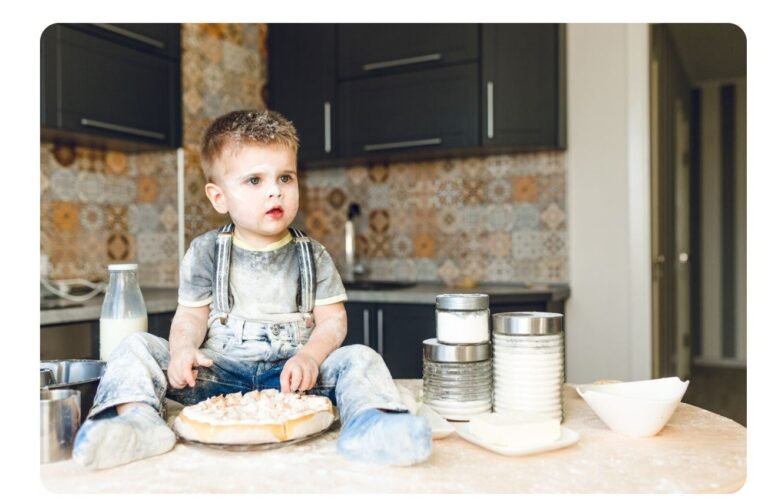
Keeping your toddler safe at home can feel overwhelming, especially for first-time parents. With their natural curiosity and boundless energy, little ones can easily find danger in everyday objects and environments. A comprehensive safety checklist can help ease your worries and create a secure space for your child.
This checklist will guide you through essential safety measures, helping you identify potential hazards. Focus on preventing accidents, creating a nurturing environment, and managing your busy schedule effectively while ensuring your child’s safety at every turn.
Step 1: Identify Common Household Hazards
Creating a safe home for your toddler begins with understanding the common hazards present in your environment. By recognizing these dangers, you can take proactive steps to mitigate them, ensuring a nurturing space for your child to explore.

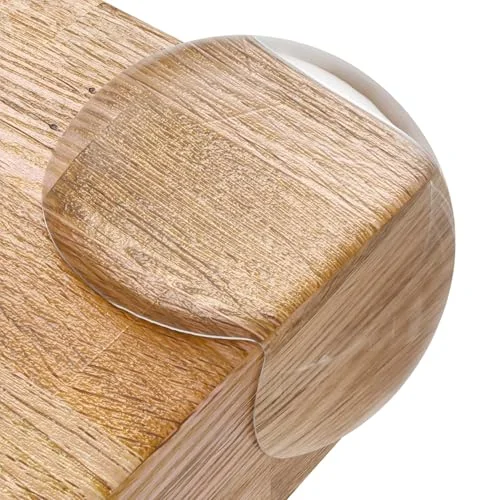
Start by examining your home room by room. Check for sharp edges on furniture, unsecured cords, and small objects that could pose choking hazards. Ensure that heavy furniture is anchored to the wall to prevent tipping. Look for any chemicals or medications that may be within reach and store them in locked cabinets.
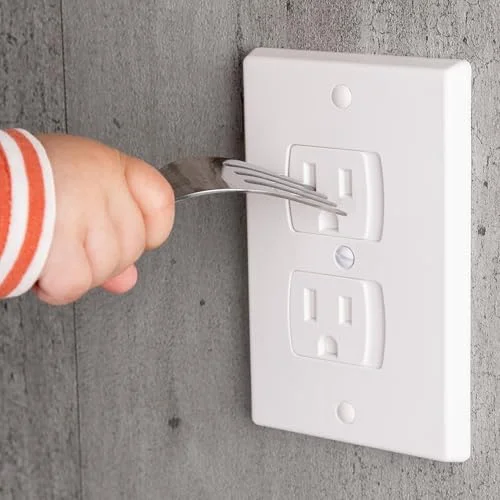
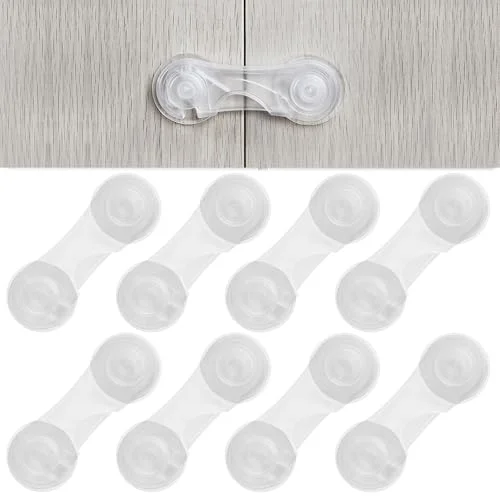
Consider your kitchen area. Keep knives, scissors, and other sharp utensils out of reach or secured. Use stove knob covers to prevent accidental activation, and install latches on cabinets that contain cleaning supplies. In living areas, ensure that electrical outlets are covered with safety plugs.
Don’t overlook the bathroom, where slips and falls are common. Use non-slip mats and ensure that medications are stored securely. Regularly check for any potential hazards as your child grows and becomes more mobile.Step 2: Assess Living Areas Room by Room
This section focuses on assessing the key living areas within your home to ensure they are safe for your toddler. Consider the following checklist to evaluate each room and outdoor space effectively.
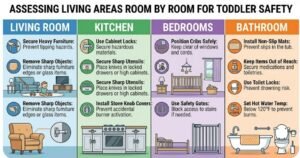
Living Room
- Secure heavy furniture to the wall to prevent tipping.
- Remove sharp objects, such as cornered furniture or glass items.
- Ensure electrical cords are tucked away or covered with cord management solutions.
Kitchen
- Use cabinet locks to keep hazardous materials out of reach.
- Store sharp utensils and knives in locked drawers or high cabinets.
- Install stove knob covers to prevent accidental turning on of burners.
Bedrooms
- Place cribs away from windows and cords to prevent strangulation.
- Keep small objects that could pose choking hazards out of reach.
- Use safety gates to block access to stairs if applicable.
Bathroom
- Install non-slip mats in the tub.
- Keep medications and toiletries out of reach.
- Use a toilet lock and ensure hot water temperature is set below 120°F to prevent burns.
Outdoor Areas
- Check for any poisonous plants and ensure your yard is securely fenced.
- Store tools and chemicals in locked sheds or garages.
Regularly review these areas as your child grows and their abilities change. Safety measures should evolve along with your toddler’s development to ensure a consistently secure home environment.
Step 3: Create a Safe Sleeping Environment

Creating a safe sleeping environment for your toddler is essential for their well-being and your peace of mind. With a few simple adjustments, you can significantly reduce risks associated with sleep time.
- Choose a safe crib or bed. Ensure the crib meets current safety standards, with slats no more than 2–3 inches apart. The mattress should fit snugly within the frame, leaving no gaps where your child could become stuck.
- Remove soft bedding hazards. Keep pillows, loose blankets, and stuffed animals out of the sleep space, as these can pose suffocation risks. Use a sleep sack or wearable blanket instead.
- Position the crib safely. Place it away from windows, cords, and any heavy furniture that could tip over.
- Always place your child on their back to sleep, which significantly reduces the risk of Sudden Infant Death Syndrome (SIDS).
- If transitioning to a bed, install bed rails to prevent falls and ensure the room is fully child-proofed, with furniture secured to the wall.
- Maintain a comfortable environment. Keep the room at a comfortable temperature with adequate ventilation, and keep electronics and toys out of the sleep area to promote better sleep habits.
Step 4: Secure Heavy Furniture and Appliances
Toddlers are naturally curious and may try to climb or pull on items that can topple over, leading to serious injuries. Ensuring that heavy pieces are anchored properly is a crucial safety measure.
- Assess your furniture and appliances. Look for bookshelves, dressers, televisions, and any large items that could tip.
- Use wall anchors or brackets to secure these pieces to the wall, preventing them from falling if your toddler leans on or climbs them.
- Stabilize heavy appliances like microwaves and toasters on secure surfaces where they cannot easily be pulled down.
- Install safety locks on drawers and cabinets to prevent access to heavy or dangerous items.
- Educate older siblings about the importance of not climbing on furniture or playing near unsecured items.
Regularly check these safety measures, especially as your child grows and their abilities change.
Step 5: Final Tips for Ongoing Home Safety
Completing your home safety checklist means being proactive and thorough in every aspect of your home environment. Here are some essential tips to maintain safety as your child grows:
- Regularly Review Safety Measures. As your toddler grows, reassess safety measures to adapt to their changing abilities and curiosity.
- Engage Your Child. Teach your toddler about safety in a fun way. Use simple language and involve them in discussions about rules and boundaries.
- Emergency Preparedness. Keep emergency contact numbers handy, and establish a plan for various scenarios, such as fires or severe weather.
- Maintain an Organized Home. Clutter can lead to accidents. Regularly tidy up and ensure toys are stored safely in designated areas.
- Stay Informed. Keep abreast of safety recalls and updates on toddler safety practices through reliable sources.
Quick Summary
- Secure heavy furniture and appliances to prevent tipping.
- Install safety gates at stairs and doorways to restrict access.
- Use outlet covers to prevent electrical shocks.
- Keep small objects and choking hazards out of reach.
- Store cleaning supplies and medications in locked cabinets.
- Ensure windows are secured with locks or window guards.
- Regularly inspect toys and play areas for safety hazards.
Frequently Asked Questions
What are the most common hazards to look for in my home for toddlers?
Common hazards include sharp edges on furniture, small objects that can be swallowed, and accessible cleaning supplies or medications. It’s important to also check for any cords or wires that could pose a strangulation risk and ensure that heavy furniture is secured to the wall.
How can I childproof my living room effectively?
Start by removing any sharp objects and securing heavy furniture. Use corner protectors on coffee tables, install outlet covers, and keep electronic devices out of reach. Consider using a safety gate to restrict access to certain areas if needed.
What safety measures should I take in the kitchen?
Keep sharp utensils and hot appliances out of reach, and use childproof locks on cabinets containing hazardous items. It’s also wise to use stove knob covers to prevent your toddler from turning on burners and to always supervise them when in the kitchen.
Are there any specific tips for bathroom safety?
Always supervise your toddler in the bathroom and use non-slip mats in the tub. Store all toiletries and medications in high cabinets, and consider using a toilet lock to prevent accidents. Make sure the water temperature is set to a safe level to avoid burns.
How can I manage my time effectively while ensuring my toddler’s safety?
Create a daily routine that includes regular safety checks around your home. Utilize technology, such as safety apps or checklists, to remind you of necessary precautions. Engage your toddler in safe play areas while you manage other tasks to keep them safe and entertained.