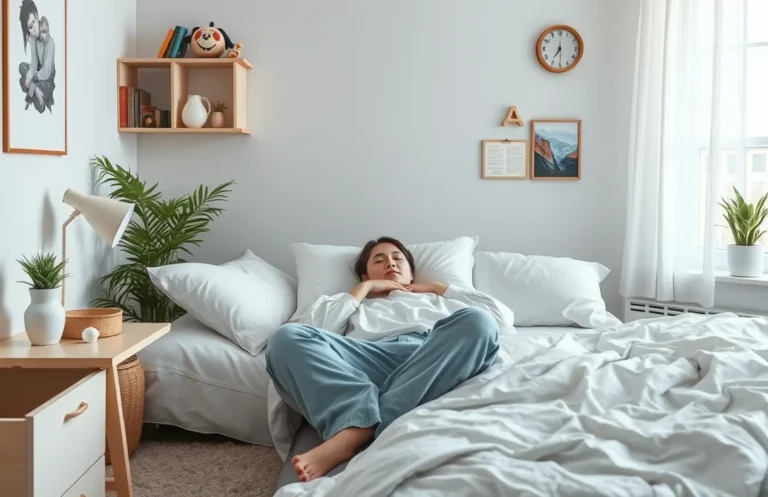
10 Proven Tips to Boost Your Sleep Quality Tonight

Sleep is not a luxury. It is the foundation of everything. Your mood, your focus, your immune system, your weight, your mental health. All of it depends on how well you sleep every single night.
Yet most people treat sleep as the last item on the to-do list. Something that happens after everything else is done. And then they wonder why they wake up exhausted, drag themselves through the day on coffee, and repeat the cycle endlessly.
The good news is that improving sleep quality does not require medication, expensive equipment, or a complete lifestyle overhaul. It requires understanding what actually drives good sleep and making a handful of consistent, deliberate changes. This guide walks you through every one of them.
What Actually Determines Sleep Quality
Before fixing sleep, it helps to understand what controls it.
Your body runs on a biological timer called the circadian rhythm. This internal clock responds to light, temperature, and routine. When those signals are consistent, the clock runs cleanly and sleep comes easily. When they are disrupted by late screens, irregular schedules, a warm room, or a stressful mind, the clock drifts and sleep quality suffers.
Sleep quality is not just about how many hours you spend in bed. It is about how much time you spend in the deeper, more restorative stages of sleep. A person who sleeps eight hours on an inconsistent schedule in a bright, warm room will often feel worse than a person who sleeps seven hours in a dark, cool room with a consistent bedtime.
The strategies in this guide target each of the main variables that determine sleep quality: your environment, your schedule, your habits before bed, your diet, and your stress levels.
Set a Consistent Sleep Schedule and Protect It
This is the single most impactful change most people can make. Going to bed and waking up at the same time every day, including weekends, is the fastest way to improve sleep quality without changing anything else.
Your circadian rhythm strengthens with repetition. When you go to bed at the same time each night, your body begins producing melatonin, dropping its core temperature, and slowing its systems down in anticipation. You feel sleepy at the right time because your body has learned to expect sleep at that time.
When you sleep in on weekends to recover from a difficult week, you shift this rhythm forward and create what researchers call social jet lag. Sunday night becomes difficult because your body is not ready for sleep. Monday morning becomes brutal because the rhythm is off.
Choose a wake time you can commit to every day. Work backward seven to nine hours to set your bedtime. Stick to both times for two weeks and notice what changes.
Avoid naps longer than twenty to thirty minutes during the day. A long nap can take the edge off the sleep pressure that builds through the day and makes it harder to fall asleep at night.
Build a Pre-Sleep Routine That Signals Winding Down
Your brain does not switch from fully awake to deeply asleep in an instant. It needs a transition period, a runway of winding down before it is ready for rest. Building a consistent pre-sleep routine creates that runway reliably every night.
The routine does not need to be elaborate. Thirty to sixty minutes of low stimulation activity is enough. Reading a physical book. Taking a warm bath or shower. Light stretching or gentle yoga. A brief meditation practice. Writing in a journal. Any combination of these works.
What matters is consistency. When you perform the same sequence of activities each night before bed, your brain begins to associate those activities with the approach of sleep. The routine itself becomes a signal. By the time you get into bed, your brain is already preparing for sleep rather than still running at full speed.
Avoid anything stimulating in this window. Work emails. News. Intense conversations. Anything that activates the stress response or demands active mental engagement pushes sleep further away.
Eliminate Screens at Least One Hour Before Bed
Blue light emitted by phones, tablets, laptops, and televisions suppresses melatonin production. Melatonin is the hormone your brain releases to initiate sleep. When blue light hits your retinas in the evening, your brain interprets it as daylight and delays the melatonin signal, pushing back the onset of sleep sometimes by one to three hours.
Most people use their phone right up until the moment they try to sleep. Then they lie awake wondering why they cannot fall asleep. The screen is the answer.
Cutting screens one hour before bed is the minimum. Two hours is better. If removing screens entirely feels unrealistic, use blue light blocking glasses from early evening and switch your devices to night mode, which shifts the screen color toward the warmer end of the spectrum.
Replace screen time in the evening with the pre-sleep routine activities described above. This is not about deprivation. It is about giving your brain the hormonal conditions it needs to actually want sleep at bedtime.
Optimize Your Bedroom for Deep Sleep
Your bedroom environment has a direct and measurable impact on sleep quality. Most people give almost no attention to this and then spend years sleeping poorly in an environment that was never set up for rest.
Three variables matter most: darkness, temperature, and noise.
Darkness. Even small amounts of light during sleep can suppress melatonin, reduce sleep depth, and increase nighttime waking. Blackout curtains are the most effective single investment for most bedrooms. If blackout curtains are not possible, a sleep mask achieves the same result. Cover or remove any LED indicator lights from electronics. These seem trivially small but are enough to affect sleep depth.
Temperature. Your body needs to drop its core temperature by one to two degrees Fahrenheit to initiate and maintain deep sleep. A warm room works against this process. The ideal sleeping temperature for most adults falls between 60 and 67 degrees Fahrenheit, which is 15 to 19 degrees Celsius. This feels cool, especially if you are used to a warmer room. Use a fan, air conditioning, or open a window. Choose breathable bedding materials like cotton or linen that do not trap heat against the body.
Noise. Sudden sounds during the night trigger micro-arousals from sleep even when they do not fully wake you. These micro-arousals reduce the time spent in deep, restorative sleep stages without you being consciously aware of it. White noise machines mask sudden sounds by providing a consistent background audio level. Earplugs achieve a similar result at a fraction of the cost.
Invest in a Mattress and Pillows That Actually Support You
A mattress and pillow setup that does not support your body properly creates physical discomfort that disrupts sleep throughout the night, often without you being fully aware of the cause.
Your mattress should support your preferred sleeping position and keep your spine in neutral alignment. Side sleepers generally need a softer mattress that allows the shoulder and hip to sink in while supporting the waist. Back sleepers generally need a medium firmness that supports the lumbar curve. Stomach sleepers need a firmer surface that prevents the hips from sinking too deeply.
If your mattress is visibly sagging, has pressure points that cause discomfort, or is over seven to ten years old, replacing it is likely to produce a noticeable improvement in sleep quality.
Your pillow should keep your head and neck in alignment with your spine. A pillow that is too high or too low strains the neck and creates the shoulder and neck stiffness that many people accept as normal when it is actually a correctable sleep problem.
Declutter and Redesign Your Bedroom for Calm
The visual and psychological environment of your bedroom matters more than most people realise. A cluttered, disorganised bedroom keeps the brain subtly activated because clutter represents unfinished tasks and unresolved decisions. This low level activation makes it harder to fully relax into sleep.
Keep the bedroom as tidy and as simple as possible. Remove work materials, exercise equipment, and anything that is associated with stress or activity. Your brain builds strong associations with physical spaces. If you work from your bed or spend hours in your bedroom doing non-sleep activities, your brain begins to associate the bedroom with wakefulness rather than rest.
Calm colours such as soft blues, greens, and neutrals have been shown to reduce physiological arousal compared to bright, saturated colours. Soft, warm lighting in the evening signals to the brain that night is approaching. Essential oils like lavender have modest but genuine evidence supporting their relaxing effect on the nervous system.
Make your bedroom the one room in your home that exists entirely for rest. The association alone will begin to improve sleep quality.
Watch What You Eat and Drink in the Hours Before Bed
What goes into your body in the three to four hours before sleep has a significant impact on sleep quality.
Caffeine has a half-life of five to seven hours in the body. A coffee consumed at three in the afternoon still has half its caffeine active at nine or ten at night. Most people underestimate how long caffeine affects their system. If sleep quality is poor, cutting off caffeine after noon is a practical first step.
Alcohol is one of the most widely misunderstood sleep disruptors. It helps people fall asleep faster, which is why many use it as a sleep aid, but it fragments the second half of sleep significantly. It suppresses REM sleep, the sleep stage most important for emotional processing and memory consolidation, and causes more frequent waking in the early morning hours. Net effect is less restorative sleep despite the easier onset.
Heavy meals before bed direct blood flow and metabolic energy toward digestion rather than toward the bodily processes that support deep sleep. Eating a large meal within two hours of bedtime is consistently associated with longer time to fall asleep and reduced sleep quality. If you are hungry before bed, a small, light snack containing magnesium or tryptophan, such as a banana, a small portion of yogurt, or a handful of nuts, can support sleep without the disruption of a full meal.
Fluids. Drinking large amounts of water in the two hours before bed increases the likelihood of waking during the night to urinate. Taper fluid intake in the evening and use the bathroom before getting into bed.
Exercise Regularly, but Time It Correctly
Regular physical activity is one of the most well-supported interventions for improving sleep quality. People who exercise consistently fall asleep faster, spend more time in deep sleep, and report higher sleep quality than sedentary individuals.
Thirty minutes of moderate intensity exercise on most days of the week produces consistent benefits. Walking, cycling, swimming, and strength training all count.
The timing matters. Vigorous exercise elevates core body temperature, increases heart rate, and releases adrenaline. These effects take several hours to fully subside. Exercising within two to three hours of bedtime can delay sleep onset and reduce sleep quality for people who are sensitive to these effects.
Morning or early afternoon exercise avoids this issue entirely and also provides the additional benefit of morning light exposure, which reinforces the circadian rhythm and strengthens the natural onset of sleepiness at bedtime.
Manage Stress and Anxiety Before They Manage Your Sleep
An activated stress response is one of the most common causes of difficulty falling asleep and staying asleep. When the mind is running through worries, replaying conversations, or planning tomorrow’s tasks, the body remains in a low level alert state that is incompatible with deep sleep.
Stress management for sleep does not require hours of meditation. It requires building a consistent practice of deactivating the stress response before bed.
Mindfulness meditation, even five to ten minutes of focused attention on the breath, has been shown in multiple clinical studies to reduce sleep onset time and improve sleep quality. Apps like Headspace and Calm provide guided sessions specifically designed for sleep.
Journaling, writing down worries, unfinished tasks, and thoughts before bed, moves them out of active mental circulation and onto paper. This simple act reduces the mind’s tendency to cycle through these items during the night.
Progressive muscle relaxation, systematically tensing and releasing muscle groups from the feet upward, activates the parasympathetic nervous system and produces measurable reductions in physical tension that make falling asleep significantly easier.
Frequently Asked Questions
What are the most effective tips for improving sleep quality? The most effective steps are establishing a consistent sleep schedule, eliminating screens one hour before bed, cooling your bedroom to between 60 and 67 degrees Fahrenheit, building a calming pre-sleep routine, and avoiding caffeine after noon and alcohol before bed.
How does diet affect sleep quality? Diet directly affects sleep through several pathways. Caffeine delays sleep onset by blocking adenosine receptors. Alcohol fragments the second half of sleep and suppresses REM. Heavy meals redirect metabolism away from the processes that support deep sleep. Light snacks containing tryptophan or magnesium can modestly support sleep onset.
Does exercise actually improve sleep? Yes, consistently and significantly. Regular moderate intensity exercise increases time spent in deep sleep, reduces time to fall asleep, and improves subjective sleep quality. The main caveat is timing. Vigorous exercise close to bedtime can delay sleep for sensitive individuals.
How does stress affect sleep and what can I do about it? Stress activates the sympathetic nervous system and keeps the body in a state of alertness that directly opposes the relaxation needed for sleep. Mindfulness meditation, journaling before bed, and progressive muscle relaxation are all evidence-supported techniques for reducing pre-sleep arousal and improving sleep quality.
What role does the sleep environment play in sleep quality? The sleep environment is one of the most impactful and most overlooked variables in sleep quality. A dark, cool, quiet bedroom with a supportive mattress and pillows creates the conditions the brain and body need for deep, restorative sleep. Addressing the environment is often one of the quickest ways to see meaningful improvement.
When should I see a doctor about my sleep? If sleep problems persist for more than three to four weeks despite consistent implementation of these strategies, if you snore loudly or stop breathing during sleep, or if you feel excessively tired despite spending adequate time in bed, these are signs that an underlying sleep disorder such as insomnia or sleep apnea may be present and warrant professional evaluation.

- Baby Monitor Long Range Review Exceptional Choices For Modern Parents 2026 - September 10, 2026
- 10 Best Yarn For A Baby Blanket Choosing Soft, Safe, And Easy Care Options 2026 - September 9, 2026
- 10 Best White Noise Machine Baby: Ultimate Sleep Solutions for Peaceful Nights 2026 - September 8, 2026