
10 Early Signs of Psychosis to Recognize in Yourself and Others

Psychosis affects millions of people worldwide. Yet most cases go unnoticed for months — sometimes years — before a person gets help. Early recognition saves lives. The sooner someone receives support, the better their long-term recovery. This guide explains the 10 key warning signs clearly, so you can act fast.
What Is Psychosis and Why Does Early Detection Matter?
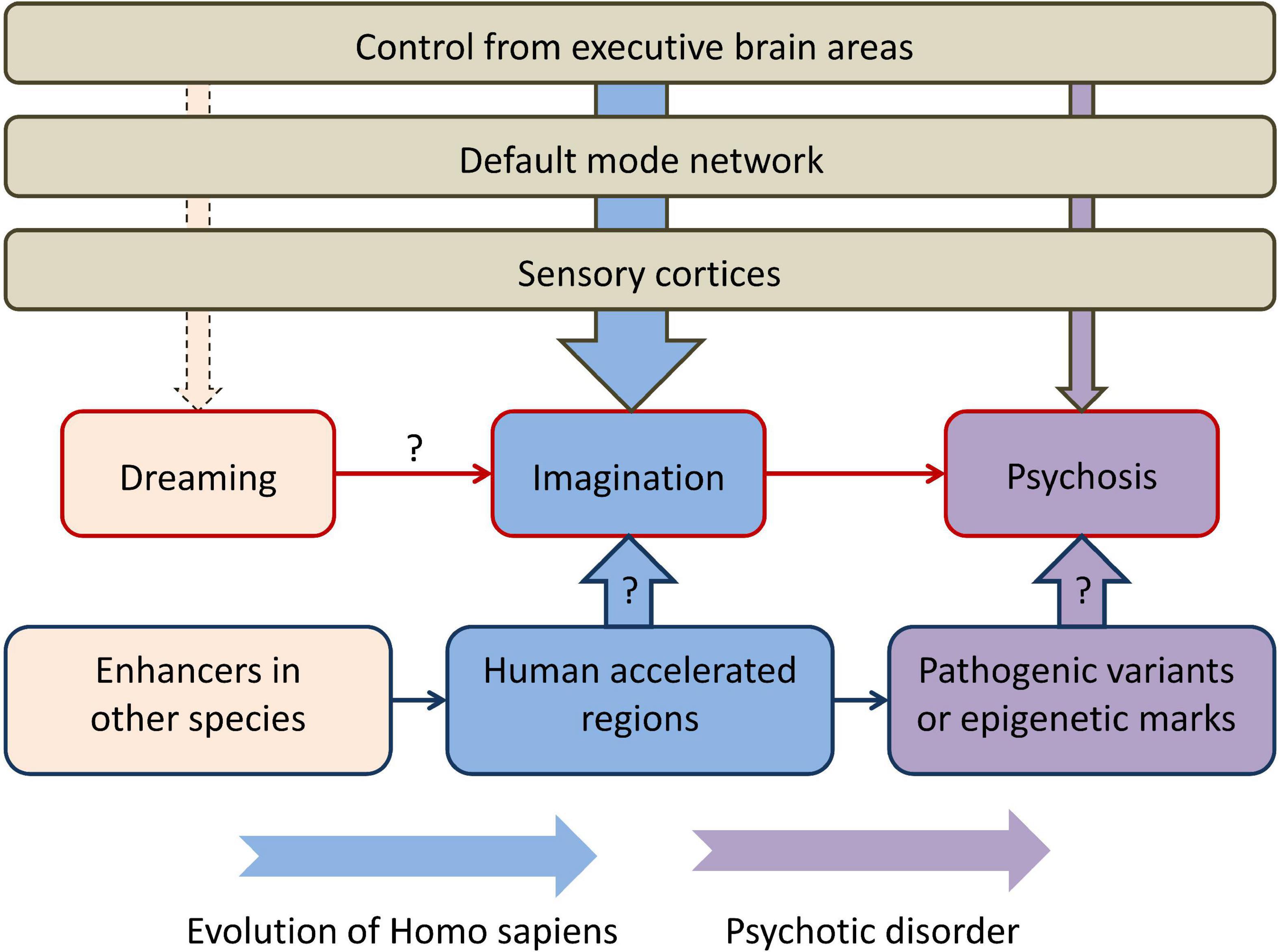
Psychosis is a mental health condition where a person loses touch with reality. It affects thoughts, perceptions, and behavior. It is not a diagnosis by itself — it is a symptom of conditions like schizophrenia, bipolar disorder, or severe depression. Early detection reduces hospitalization risk, improves outcomes, and protects relationships. Recognizing the signs early is one of the most powerful things you can do for yourself or someone you love.
What Happens in the Brain During Psychosis?
During psychosis, the brain’s ability to process reality breaks down. Neurotransmitters like dopamine become dysregulated. This disruption causes the brain to misinterpret sensory input and create false beliefs. Understanding this helps reduce stigma and encourages compassionate support.
Who Is Most at Risk of Developing Psychosis?
Psychosis most commonly emerges between the ages of 15 and 30. People with a family history of schizophrenia or bipolar disorder face higher risk. Substance use, especially cannabis and stimulants, can also trigger psychotic episodes. Extreme stress and trauma are additional contributing factors.
How Common Is Psychosis Globally?
Psychosis affects approximately 3 in every 100 people at some point in their lives. It crosses all cultures, genders, and socioeconomic groups. In Bangladesh and across South Asia, cultural stigma often delays diagnosis by years. Global awareness campaigns are working to close this treatment gap.
Can Psychosis Be Prevented If Caught Early?
Yes. Early intervention during the prodromal phase — the period before full psychosis develops — can significantly slow or halt progression. Cognitive behavioral therapy, medication, and family support are all proven tools. The earlier treatment begins, the greater the chance of full recovery.
The 10 Early Signs of Psychosis You Must Know
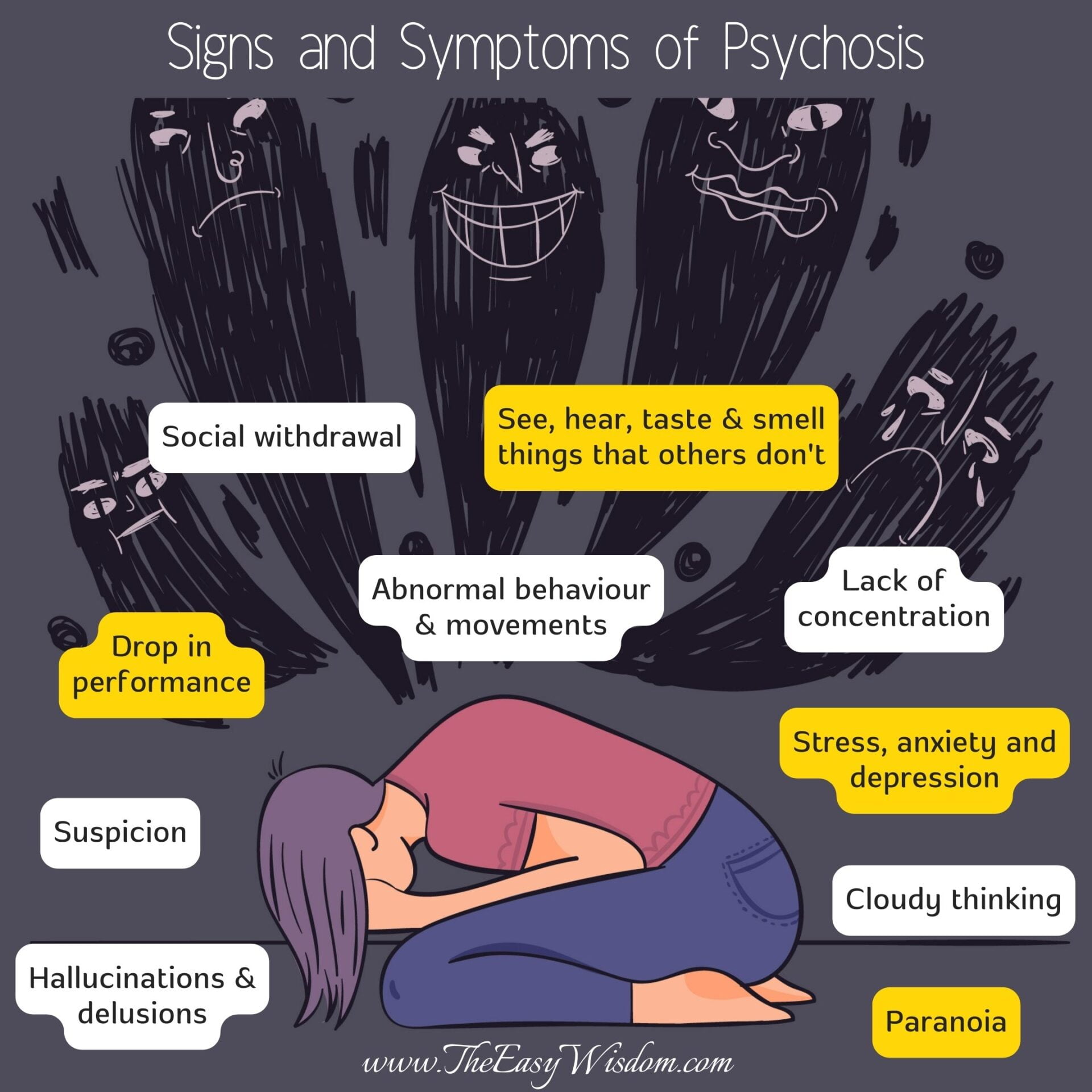
Recognizing psychosis early is not about labeling someone. It is about getting them the right help at the right time. The following signs often appear gradually before a full episode. They can occur in any order. Knowing them gives you the ability to act before the situation becomes a crisis. Awareness is the first step toward healing.
Sign 1 — Unusual or Confused Thinking
A person in early psychosis often struggles to think clearly. Their thoughts may seem jumbled, disconnected, or hard to follow. They might have trouble concentrating on simple tasks or following a normal conversation. This is one of the earliest and most overlooked warning signs.
Sign 2 — Suspicion and Paranoia Without Clear Reason
Unexplained distrust of friends, family, or strangers is a red flag. The person may believe others are watching them, plotting against them, or reading their thoughts. This suspicion feels completely real to them. It is not stubbornness or attitude — it is a symptom requiring urgent attention.
Sign 3 — Hearing, Seeing, or Feeling Things Others Cannot
Hallucinations are one of the most recognized signs of psychosis. They can affect any sense. A person may hear voices commenting on their actions, see shadows that others do not see, or feel physical sensations with no cause. These experiences feel completely real to the person having them.
Sign 4 — Strongly Held False Beliefs (Delusions)
Delusions are fixed beliefs that are clearly false but feel absolutely real to the person. They may believe they have a special mission, that the television is sending them messages, or that someone has implanted a device in their body. Arguing against these beliefs rarely helps and can increase distress.
Sign 5 — Sudden Changes in Behavior or Personality
A previously outgoing person may become withdrawn overnight. Someone calm might become agitated and unpredictable. Rapid personality shifts — especially when unexplained — often signal that something serious is happening mentally. Family members are often the first to notice these sudden behavioral changes.
Sign 6 — Decline in Personal Hygiene and Self-Care
When someone stops bathing, changing clothes, eating regularly, or maintaining their environment, it signals a significant mental shift. This is not laziness. In early psychosis, motivation and self-awareness decline rapidly. The person may genuinely not notice or care about their deteriorating self-care habits.
Sign 7 — Social Withdrawal and Isolation
Pulling away from friends, family, school, or work is a common early sign. The person may stop attending social events, ignore messages, or spend extended time alone in a darkened room. While some people are introverted by nature, sudden unexplained withdrawal is a different and concerning pattern.
Sign 8 — Difficulty Expressing Emotions (Flat Affect)
A person developing psychosis may show little to no emotional expression. Their face may remain blank, their voice flat, their responses minimal. This is called flat affect. It does not mean they feel nothing — it means the brain’s ability to express emotion externally is being disrupted by the illness.
Sign 9 — Sleep Disturbances and Changes in Energy
Significant changes in sleep patterns often precede a full psychotic episode. The person may stay awake for days, sleep at odd hours, or report that their dreams feel more real than waking life. Energy levels may swing dramatically — from total exhaustion to frantic hyperactivity — within a short period.
Sign 10 — Talking or Writing in Ways That Do Not Make Sense
Disorganized speech is a telling sign. The person may switch topics rapidly, use made-up words, or construct sentences that sound grammatically correct but carry no clear meaning. In writing, similar patterns appear. This disorganization reflects the underlying breakdown in the brain’s language and logic processing systems.
How to Respond When You Notice These Signs
Knowing the signs is only half the battle. Responding correctly is equally critical. Many well-meaning people worsen the situation by reacting with fear, anger, or disbelief. A calm, compassionate, and action-oriented response creates the best chance of getting help quickly. Time matters deeply in early psychosis intervention.
How to Talk to Someone Showing Signs of Psychosis
Stay calm. Use simple, clear sentences. Avoid arguing about whether their beliefs are real. Say things like: “I care about you and I am worried.” Do not dismiss their experience. Instead, focus on how they are feeling and gently encourage them to speak with a doctor or mental health professional as a first step.
When to Seek Immediate Professional Help
Seek help immediately if the person expresses thoughts of harming themselves or others, stops eating or drinking entirely, becomes dangerously confused, or loses touch with reality to the point of being unable to function. In these cases, contact a mental health crisis line, a psychiatrist, or emergency services without delay.
What Not to Do When Someone May Be Experiencing Psychosis
- Do not argue with or mock their beliefs
- Do not leave them completely alone if they seem at risk
- Do not use drugs or alcohol around them, as these can trigger or worsen symptoms
- Do not shame them or call them “crazy”
- Do not wait and hope it resolves on its own without professional input
- Do not force medication without proper medical guidance
How Family Members Can Support Early Intervention
Family support is one of the strongest predictors of recovery. Learn about psychosis, stay involved in treatment, reduce household stress, and maintain open communication. Avoid expressing high levels of criticism or over-involvement, which research shows can increase relapse rates. Your steady, loving presence makes an enormous difference throughout recovery.
Treatment Options and the Road to Recovery
Psychosis is treatable. With the right combination of medical care, therapy, and community support, most people recover fully or manage their symptoms effectively. The recovery journey is different for everyone. Some recover after a single episode. Others manage ongoing symptoms. Either way, a meaningful and fulfilling life is absolutely possible after a psychosis diagnosis.
What Does a Typical Psychosis Treatment Plan Look Like?
Treatment usually combines antipsychotic medication, psychotherapy — especially cognitive behavioral therapy — and social support programs. Early Intervention in Psychosis (EIP) services, available in many countries, provide coordinated care within the first two to three years of illness onset. This model has strong evidence for improving long-term outcomes significantly.
How Long Does Recovery from a First Episode of Psychosis Take?
Recovery timelines vary widely. Some people stabilize within weeks of starting treatment. Others take months or years. Around 25% of people who experience a first episode of psychosis recover fully and never have another episode. Continued medication adherence, therapy, and avoiding substance use are the most important factors in maintaining long-term recovery.
Are There Natural or Lifestyle Supports That Help?
Yes. Regular sleep, physical exercise, a nutritious diet, and stress reduction techniques all support brain health and mental stability. Mindfulness-based practices have shown benefit for people managing psychotic symptoms. Avoiding alcohol and recreational drugs is essential. Strong social connections and meaningful daily activity also play a protective role during recovery.
Where Can You Find Help for Psychosis in Bangladesh?
The National Institute of Mental Health (NIMH) in Dhaka provides psychiatric services and treatment. The Kaan Pete Roi helpline offers emotional support. Community mental health centers are expanding across divisions. For urgent needs, hospital emergency departments can refer to psychiatric care. Families are encouraged to seek assessment early rather than waiting for symptoms to become severe.
Frequently Asked Questions About Early Psychosis
What is the first sign of psychosis?
The first sign is often subtle. Unusual thinking, social withdrawal, or unexplained suspicion are common early indicators. These are called prodromal symptoms and can appear months or years before a full episode.
Can stress alone cause psychosis?
Extreme or prolonged stress can trigger a psychotic episode in people who are already vulnerable. It is rarely the sole cause but frequently acts as a catalyst when combined with genetic or neurological risk factors.
Is psychosis the same as schizophrenia?
No. Psychosis is a symptom, not a diagnosis. Schizophrenia is one condition that includes psychosis as a feature, but psychosis also occurs in bipolar disorder, severe depression, substance use, and other conditions.
Can a young person recover fully from psychosis?
Yes. Especially with early intervention, young people have excellent recovery outcomes. The brain remains highly adaptable in youth, and catching psychosis in its early stages dramatically improves the long-term prognosis.
This article is for educational purposes only. If you or someone you know is experiencing signs of psychosis, please consult a qualified mental health professional as soon as possible.