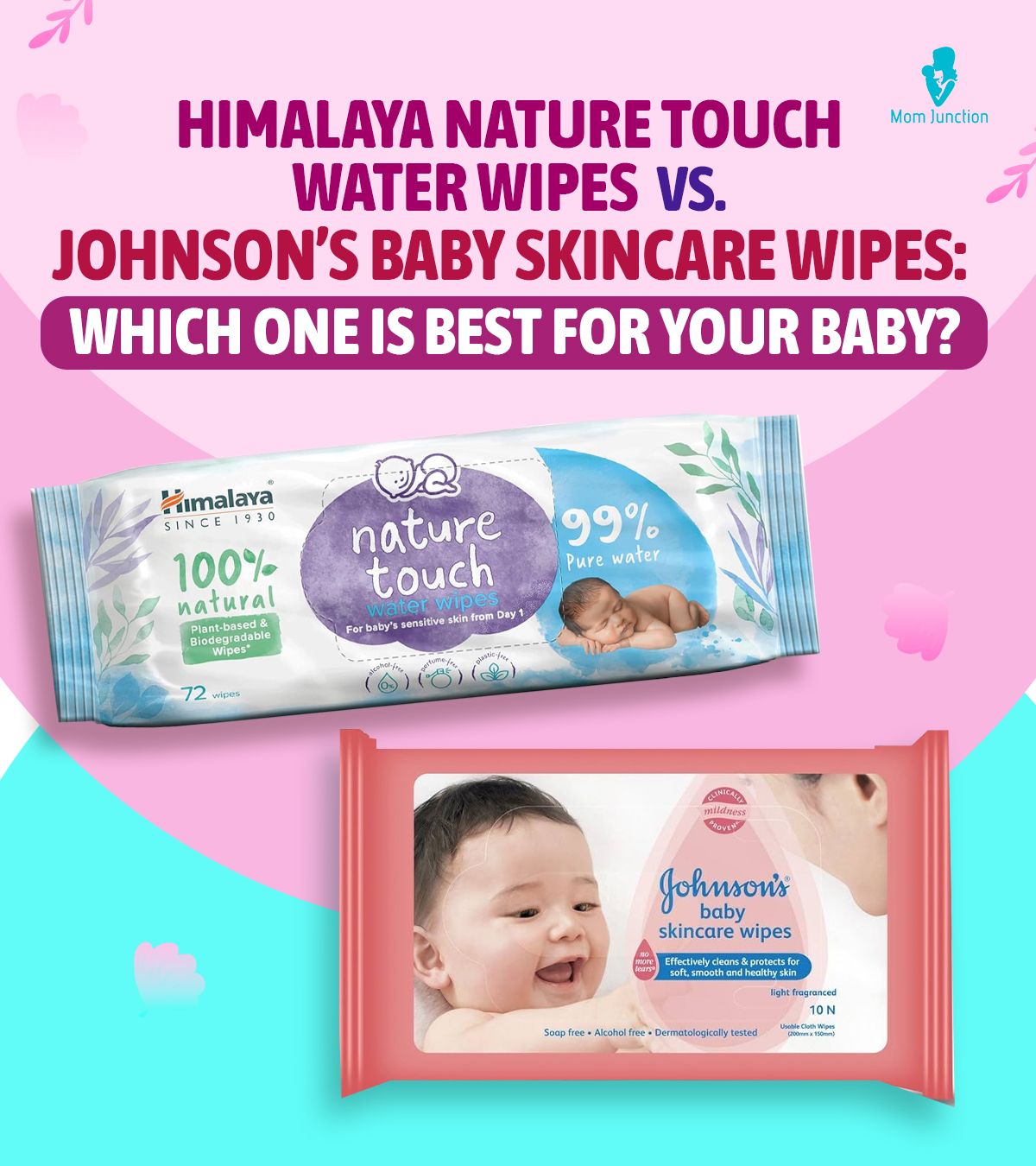
Water wipes and baby wipes are both designed for cleaning babies, but they differ mainly in ingredients, moisture content, additives, and intended use. Water wipes usually contain a higher percentage of water with fewer added ingredients, while traditional baby wipes often include cleansing agents, moisturizers, and preservatives to improve cleaning performance and shelf life.
For parents in the United States, choosing between water wipes and baby wipes often comes down to a baby’s skin sensitivity, cleaning needs, budget, and personal preferences. During diaper changes, newborn care, and everyday messes, the right wipe can help maintain comfort while reducing unnecessary exposure to ingredients that may irritate sensitive skin.
Water wipes are commonly marketed as a minimal-ingredient option, while baby wipes are available in many formulas designed for different purposes, including sensitive skin, fragrance-free use, and stronger cleaning. Neither category is automatically better for every baby; the best choice depends on the baby’s individual needs and how the wipes will be used.
Water wipes are baby cleaning wipes that are primarily made with water and a small number of additional ingredients. They are designed for parents who prefer a simple formula, especially during newborn diaper changes or when caring for babies with easily irritated skin.
Baby wipes are disposable cleansing cloths made specifically for infant care. Depending on the brand and formula, they may contain water, gentle cleansers, moisturizers, preservatives, and other ingredients intended to improve cleaning, softness, and product stability.
Source: Bing
Water wipes
Usually focus on a minimal ingredient approach with water as the main component.
Baby wipes
Offer a wider range of formulas designed for different cleaning and skin-care preferences.
Why parents compare these two wipe types
Parents often compare water wipes and baby wipes because a baby’s skin barrier is delicate, especially during the first months of life. Frequent diaper changes can involve repeated wiping, making ingredient choices an important consideration.
Skin sensitivity
Some babies may tolerate simple formulas better, while others do well with standard baby wipes.
Daily convenience
Both options provide quick cleaning when soap and water are unavailable.
Key Differences Between Water Wipes and Baby Wipes
The biggest difference between water wipes and baby wipes is the formula. Water wipes typically aim for fewer ingredients, while baby wipes may use additional ingredients to improve cleaning ability, texture, and preservation.
The following comparison shows the main differences parents should consider before choosing a product.
Source: Bing
Ingredients
Water wipes generally contain mostly water with limited additional components. Baby wipes may include cleansing agents, moisturizers, and preservatives.
Cleaning performance
Baby wipes with cleansing ingredients may handle heavier messes more effectively, while water wipes are commonly used for gentle everyday cleaning.
Skin considerations
A simpler formula may be preferred for some sensitive skin situations, but individual reactions vary.
Cost
Water wipes can cost more per wipe than many standard baby wipes because of their ingredient profile and positioning.
Water wipes vs baby wipes comparison table
The right choice depends on your baby’s skin, cleaning needs, and household preferences. This table highlights general differences rather than rules that apply to every product.
Best for minimal formulas
Water wipes may appeal to parents looking for fewer added ingredients.
Best for strong cleaning
Some baby wipes may be more practical for removing larger messes.
Are Water Wipes Safer for Babies With Sensitive Skin?
Water wipes may be a suitable option for some babies with sensitive skin because they often contain fewer ingredients. However, fewer ingredients do not guarantee that a product will work better for every child.
A baby’s skin can react differently to preservatives, fragrances, cleansing ingredients, or even frequent wiping itself. Parents should monitor for signs of irritation and adjust products if needed.
Source: Bing
Possible signs of irritation
Redness, dryness, discomfort, or persistent rash after using a product may indicate that a change is needed.
When to seek medical advice
Persistent diaper rash, worsening skin problems, or signs of infection should be discussed with a healthcare professional.
Ingredients parents often check
Many parents review labels for fragrance, preservatives, and cleansing agents when selecting wipes. Reading the ingredient list helps parents choose products that match their baby’s needs.
Fragrance-free options
Some parents prefer fragrance-free wipes to reduce exposure to unnecessary scents.
Sensitive skin formulas
These are designed for babies who may need gentler products.
When Should You Choose Water Wipes Over Baby Wipes?
Water wipes may be a better fit for parents who prioritize a simpler formula, have a baby with easily irritated skin, or want wipes mainly for gentle cleaning. They are commonly considered for newborn care and early diaper changes.
Baby wipes may be more practical when parents need a wider range of options, stronger cleaning ability, or specific features such as added moisturizers.
Source: Bing
Choose water wipes when
You prefer fewer ingredients or want a gentle option for routine cleaning.
Choose baby wipes when
You need a variety of formulas or stronger cleaning for everyday parenting situations.
Common mistakes when choosing baby wipes
A common mistake is assuming the most expensive or simplest wipe will always be the best option. The better approach is choosing a wipe based on your baby’s skin response and your actual cleaning needs.
Ignoring skin reactions
Stop using a product if it appears to cause irritation and consider discussing concerns with a healthcare provider.
Using wipes for every situation
Some situations still require soap and water or medical guidance.
How to Choose the Right Wipes for Your Baby
Choosing baby wipes is a personal decision based on your baby’s age, skin condition, frequency of use, and budget. Start with products that meet your priorities and watch how your baby’s skin responds.
Source: Bing
Check the ingredients
Review the label and choose formulas that match your preferences.
Consider your baby’s needs
Newborns, babies with sensitive skin, and older infants may have different requirements.
Test before stocking up
Try a smaller package first to see whether your baby tolerates the wipes well.
A practical decision checklist
Before buying a large supply, consider how often you will use wipes, where you will use them, and whether your baby has experienced irritation from previous products.
Daily diaper changes
Focus on comfort, cleaning ability, and skin response.
Travel and outings
Choose packaging and wipes that are convenient for your routine.
Frequently Asked Questions Of Difference Between Water Wipes and Baby Wipes
Q
Are water wipes better than baby wipes?
Water wipes are not automatically better for every baby. They may be preferred by parents who want a simpler formula, while some families may find traditional baby wipes more effective for cleaning.
Q
Can I use water wipes for newborn babies?
Many parents choose water wipes for newborn care because of their minimal ingredient approach. However, parents should still monitor their baby’s skin and consult a healthcare professional if irritation develops.
Q
Do baby wipes clean better than water wipes?
Some baby wipes may clean more effectively for certain messes because they contain cleansing ingredients. Performance depends on the specific formula and the type of mess being cleaned.
Q
Are fragrance-free baby wipes the same as water wipes?
No. Fragrance-free baby wipes may still contain other cleansing or conditioning ingredients, while water wipes usually focus on a water-based minimal formula.
Q
Can baby wipes cause diaper rash?
Some babies may experience irritation from certain wipe ingredients or frequent wiping. If a rash continues or becomes severe, seek advice from a healthcare professional.
✦ Wrapping Up
Conclusion
The difference between water wipes and baby wipes mainly comes down to ingredients, cleaning approach, and personal preference. Water wipes emphasize simplicity, while baby wipes provide a broader range of formulas designed for different needs.
For most parents, the best choice is the wipe that cleans effectively while keeping their baby’s skin comfortable. Reviewing ingredients, testing a product carefully, and paying attention to skin reactions can help you make a practical decision.
💡 Key Takeaway
Choose water wipes if a simple formula matches your baby’s needs, or choose baby wipes if you need more cleaning options. Always prioritize your baby’s comfort and skin response over marketing claims.
Find the best baby wipes without chemicals with gentle ingredients for delicate skin. Compare what to look for and choose wipes you can feel good about.