
Why Do Babies Move Their Arms And Legs So Much: Explained

Introduction
Babies in the United States often move their arms and legs because their brains, nerves, and muscles are still learning to work together. These movements may include kicking, waving, stretching, jerking, and sudden flailing. Most are normal, especially when a baby is excited, hungry, tired, or startled.
Some movements come from newborn reflexes. Others help babies build early motor skills. Still, repeated movements with changes in breathing, color, awareness, feeding, or muscle tone need medical attention. This guide explains what is normal, what may cause extra movement, and when to call your child’s pediatrician.

Key Takeaways
- Frequent arm and leg movement is usually normal in young babies.
- The Moro, or startle, reflex can cause sudden arm spreading and leg movement.
- Babies may move more when they are hungry, excited, tired, or uncomfortable.
- Movement should become more smooth and controlled as a baby grows.
- Call a pediatrician about repeated movements that look unusual, happen in clusters, affect one side, or occur with poor feeding or reduced awareness.
- Call 911 for trouble breathing, blue or gray skin, severe unresponsiveness, or a seizure that does not stop.
Why Do Babies Move Their Arms and Legs So Much?
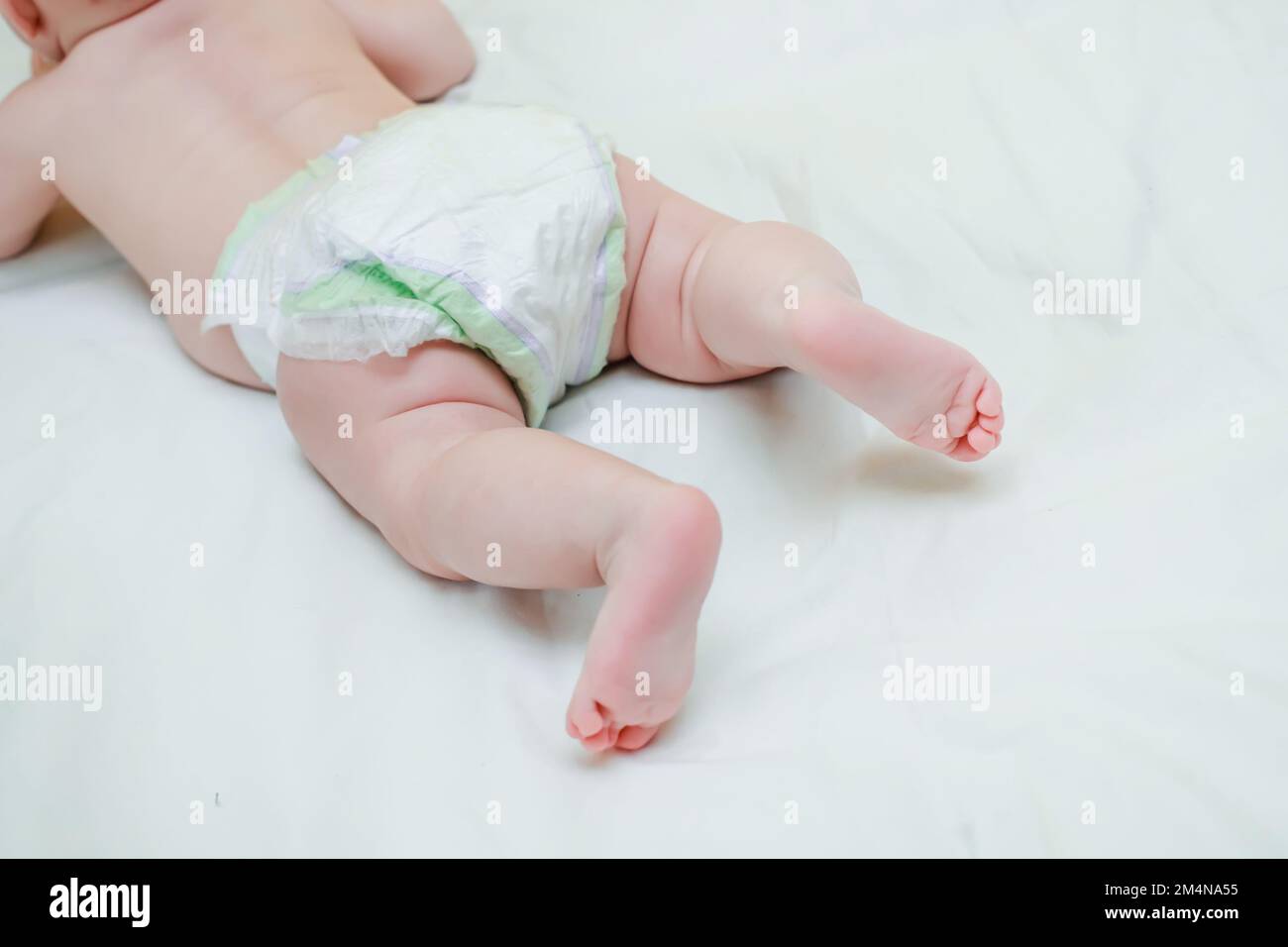
Babies move their limbs so much because their nervous systems are still developing. They have limited control over their muscles, so their movements can look sudden, uneven, or jerky.
A newborn does not yet move with the smooth control seen in an older child. Signals from the brain and spinal cord are still becoming organized. As a result, a baby may kick both legs, wave the arms, or briefly stiffen the body without being in pain.
Common reasons include:
- Normal newborn reflexes
- Early motor development
- Hunger or excitement
- Tiredness or overstimulation
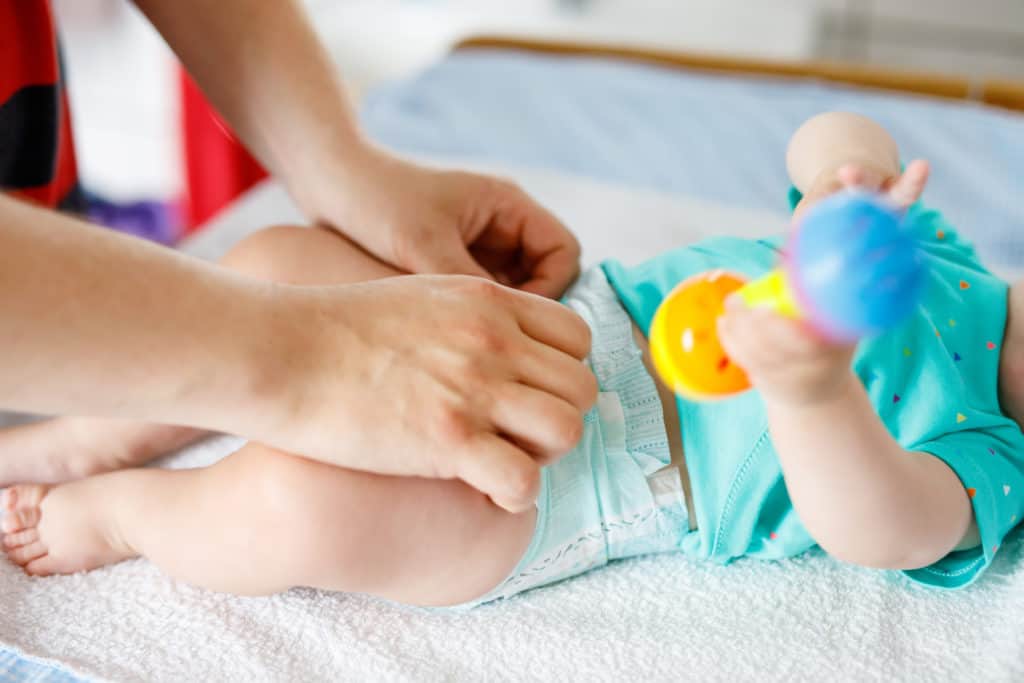
- Gas, a wet diaper, or another mild discomfort
- A response to sound, touch, light, or a change in position
Movement alone does not show that something is wrong. The pattern matters. A baby who moves both sides, feeds well, breathes normally, and returns to a calm state is often showing normal early behavior.
The Moro reflex
The Moro reflex is a normal startle response. A sudden sound, movement, or feeling of falling can make a baby:
- Open the hands.
- Spread the arms.
- Extend the legs.
- Bring the arms back toward the body.
- Cry or briefly look startled.
This reflex is present at birth. It usually becomes less noticeable by about 4 to 6 months, according to the American Academy of Pediatrics and other pediatric references.
Other normal infant reflexes
Several newborn reflexes can look like extra movement:
- Rooting reflex: The baby turns toward a touch near the mouth.
- Sucking reflex: The baby sucks when the roof of the mouth is touched.
- Stepping reflex: The baby makes stepping motions when held upright with the feet touching a firm surface.
- Palmar grasp: The baby closes the hand around a finger.
- Tonic neck reflex: The baby may extend one arm while turning the head to the other side.
These reflexes are part of early neurologic development. They should change as the brain gains more control over voluntary movement.

When Is Baby Arm and Leg Movement Normal?
Movement is usually normal when it is brief, occurs on both sides, and fits the baby’s mood or surroundings. A baby may kick during feeding, wave the arms during play, or jerk the limbs while falling asleep.
Normal movement can look different at each age.
| Baby’s age | Common movement pattern |
|---|---|
| Birth to 2 months | Jerky movements, kicking, stretching, startle responses, and waving arms |
| 2 to 4 months | More purposeful kicking, bringing hands toward the mouth, and improved head control |
| 4 to 6 months | Reaching, grabbing, rolling attempts, and stronger leg movements |
| 6 to 9 months | More controlled reaching, sitting movements, rolling, and pushing with the legs |
| 9 to 12 months | Pulling up, crawling or scooting, cruising, and more deliberate movement |
These ranges are general. Babies develop at different speeds. Babies born prematurely may follow milestones based partly on corrected age, which adjusts for how early they were born.
Movement during sleep
Many babies twitch, smile, suck, stretch, or move their arms and legs during sleep. These brief movements often occur during active sleep, a sleep stage similar to rapid eye movement sleep in older children and adults.
A baby may also startle during sleep. This does not always mean the baby is awake or distressed. If the baby remains pink, breathes normally, and settles without unusual behavior, the movement is often harmless.
Movement during feeding
Some babies kick or wave their arms while feeding. They may be excited, hungry, or trying to release gas. A baby may also move more when the milk flow is fast or slow.
Pause to burp the baby if needed. Check for signs of feeding trouble, such as coughing, choking, sweating, repeated pulling away, poor weight gain, or long and tiring feeds. These signs deserve a call to the child’s pediatrician.
Movement when crying
Crying activates many muscles. A baby who cries may stiffen the back, draw up the legs, wave the arms, or clench the hands. Hunger, fatigue, gas, temperature, or a wet diaper may be the cause.
Look at the whole picture. If the baby calms with feeding, holding, burping, a diaper change, or sleep, the movement is less likely to signal a serious problem.
What Causes Excessive or Unusual Baby Movements?
“Moving a lot” can mean different things. A baby may simply be active, or the movement may be linked to discomfort or a medical issue. The timing, pattern, and other symptoms help separate these causes.
Common and usually mild causes
A baby may move more because of:
- Hunger
- Excitement
- Tiredness
- Overstimulation
- Gas or the need to burp
- A wet or dirty diaper
- Clothing that feels tight
- A room that feels too hot or cold
- A sudden noise or touch
Try one change at a time. Feed the baby if hunger seems likely. Reduce noise and light if the baby appears overstimulated. Check the diaper and clothing. Hold the baby safely and observe whether the movement settles.
Jitteriness
Jittery movement is a quick shaking motion. It may happen when a baby cries or when the arms and legs are held in a certain position. Mild jitteriness can occur in healthy newborns.
Contact a pediatrician if the shaking:
- Happens when the baby is calm
- Does not stop when the limb is gently held
- Keeps returning or becomes stronger
- Occurs with poor feeding, unusual sleepiness, fever, breathing changes, or color changes
Do not forcefully restrain a shaking limb. Record a short video, if safe, so the pediatrician can see the movement.
Repetitive movements that may need prompt evaluation
Some movements look different from ordinary kicking or startle responses. Examples include:
- Repeated jerking in the same rhythm
- Stiffening or bending episodes that occur in clusters
- Sudden head drops
- Repeated arm extension with a blank stare
- One arm or leg moving much more than the other
- Movements that happen while the baby appears unaware
- A baby who becomes limp, difficult to wake, or unusually stiff
Infantile spasms are one condition that requires prompt medical evaluation. They often appear as brief movements that repeat in clusters, sometimes after waking. They can be subtle and may look like a startle, crunch, head drop, or sudden body bend.
A video cannot diagnose the cause, but it can help a clinician decide what to do next. Seek urgent medical advice if you suspect spasms or a seizure.

When Should You Call a Pediatrician?
Call your baby’s pediatrician if movement is new, unusual, persistent, or paired with other symptoms. You do not need to wait for a routine visit if your concern feels significant.
Contact the pediatrician promptly if your baby:
- Has repeated jerking or stiffening episodes
- Shows movement mainly on one side
- Has lost a skill they previously had
- Seems unusually stiff or unusually floppy
- Feeds poorly or has fewer wet diapers
- Is hard to wake or less alert than usual
- Has a fever, especially if younger than 3 months
- Cries sharply and cannot be comforted
- Has movements that keep returning or are getting worse
For babies younger than 3 months, a rectal temperature of 100.4°F (38°C) or higher needs prompt medical advice. Follow your pediatrician’s instructions and do not give fever medicine to a young infant unless a clinician tells you to do so.
Call 911 for emergency signs
Call 911 in the United States if your baby:
- Has severe trouble breathing
- Turns blue, gray, or very pale
- Does not respond normally
- Has a seizure that lasts 5 minutes or longer
- Has repeated seizures without returning to normal
- Chokes and cannot breathe or cry
- Becomes suddenly limp or unconscious
Place the baby on a safe, flat surface during a seizure. Move nearby objects away. Do not put anything in the baby’s mouth, and do not try to hold the body still.
What information helps the clinician?
Write down:
- What the movement looked like
- How long it lasted
- How often it happened
- Whether it affected one side or both sides
- Whether the baby was awake, asleep, feeding, or crying
- Whether holding the limb changed the movement
- Any changes in breathing, skin color, feeding, or alertness
A clear video may help, but never delay emergency care to record one.

How Can Parents Support Healthy Movement Safely?
Parents can support movement through safe floor play, supervised tummy time, and responsive care. Babies do not need special exercise equipment to develop normal motor skills.
Use supervised tummy time
Place your baby on their stomach only while they are awake and watched by an adult. Tummy time helps build strength in the neck, shoulders, arms, and trunk.
The American Academy of Pediatrics recommends starting with short periods and adding time as the baby tolerates it. If the baby becomes tired, place the baby on the back in a safe sleep space.
Follow safe sleep rules
For every sleep, place the baby:
- On the back
- On a firm, flat sleep surface
- In a crib, bassinet, or play yard
- Without pillows, loose blankets, bumpers, or stuffed toys
Swaddling may reduce the startle reflex for some young babies. Stop swaddling as soon as the baby shows signs of trying to roll. Do not use weighted swaddles or weighted sleep products.
Avoid trying to stop normal movement
Do not tape, tie, or tightly bind a baby’s arms or legs. Do not use restrictive devices to make the baby appear calmer. Normal movement helps a baby learn how the body works.
Instead, reduce stimulation, offer comfort, and allow safe movement on the floor. If a baby seems uncomfortable, check feeding, burping, temperature, diapering, and clothing.
Common Mistakes Parents Make
Mistaking every jerk for a seizure
Brief twitches during sleep or a startle after a sudden sound are often normal. A seizure may involve repeated, rhythmic movements, altered awareness, unusual eye movements, breathing changes, or a failure to return to normal.
The difference is not always easy to see. When in doubt, contact a pediatrician and share a video.
Waiting too long when the pattern changes
A baby’s normal movements can vary. However, a sudden change matters more than the exact number of kicks or arm waves. New clusters, one-sided movement, loss of awareness, or poor feeding deserve medical advice.
Assuming crying explains every movement
Crying can cause kicking and arm waving, but persistent movements after the baby calms may need evaluation. Look for the full pattern rather than blaming all movement on fussiness.
Using unsafe sleep products
A swaddle must not restrict the hips or prevent normal breathing. Once a baby shows signs of rolling, swaddling can increase risk because the baby may not be able to move out of an unsafe position. Use a wearable blanket that does not weigh down the body, and follow current safe-sleep guidance from the American Academy of Pediatrics.
Frequently Asked Questions
Is it normal for a newborn to kick constantly?
Newborns often kick, stretch, and wave their arms throughout the day. Their movements may be jerky because they have limited muscle control. The pattern is usually reassuring when both sides move, the baby feeds well, and the baby remains alert and comfortable between episodes.
Why does my baby flail their arms while feeding?
A baby may flail during feeding because of hunger, excitement, a fast or slow milk flow, gas, or tiredness. Pause to burp the baby and check the feeding position. Call the pediatrician if feeding includes frequent choking, coughing, sweating, long tiring feeds, or poor weight gain.
Why does my baby move their legs in their sleep?
Many babies twitch, stretch, kick, or briefly jerk during sleep. These movements often happen during active sleep. Seek medical advice if the episodes are rhythmic, occur in clusters, include color or breathing changes, or continue after the baby wakes.
How can I tell the difference between normal movement and a seizure?
Normal movement often changes with the baby’s state and stops when the baby wakes, settles, or changes position. A seizure may repeat in a fixed pattern and may occur with staring, unresponsiveness, unusual stiffness, breathing changes, or color changes. Because seizures can be subtle, contact a pediatrician for any movement that concerns you.
Should I hold my baby’s arms and legs still?
Do not forcefully hold a baby’s limbs still. Gentle comfort is fine, but restraint can make it harder to understand the movement and may cause injury. Place the baby in a safe position and seek medical advice if the movement is repetitive, strong, or unusual.
Conclusion
Babies move their arms and legs so much because their nervous systems are developing and their muscles are gaining control. Reflexes, excitement, hunger, tiredness, sleep, and mild discomfort can all increase movement.
Focus on the pattern, not just the amount. Movement is more reassuring when it is brief, affects both sides, matches the baby’s mood, and occurs with normal feeding and breathing. Contact a pediatrician about new or unusual movements, and call 911 for breathing trouble, blue or gray skin, severe unresponsiveness, or a prolonged seizure.