Optimal Baby Sleep Temperature: Guidelines for Safety and Comfort

Ensuring your baby sleeps soundly can sometimes feel overwhelming, especially when considering the many factors at play. One of the key elements is temperature, which can significantly impact your child’s comfort and sleep quality.
Understanding ideal sleep temperatures is crucial for your baby’s well-being. Experts recommend keeping the nursery between 68°F to 72°F. Dress your baby in light layers to avoid overheating, and use a thermometer to monitor the room’s temperature.
Optimal Sleep Temperature Range
The ideal sleep temperature for infants plays a crucial role in ensuring their comfort and safety during rest. Maintaining an appropriate ambient temperature helps reduce the risk of overheating, which has been associated with sleep-related issues. The recommended temperature range for baby sleep is typically between 68°F to 72°F (20°C to 22°C).
Parents should consider several factors when determining the best temperature for their baby’s sleep environment. This range is conducive to promoting restful sleep while minimizing the risk of overheating. It’s essential to monitor the room temperature, as external factors such as seasonal changes can influence it. Additionally, the baby’s age may impact their comfort level; younger infants might prefer slightly warmer conditions, while older babies may be more tolerant of cooler temperatures.
Using a reliable thermometer can help ensure the room stays within the recommended range. Adjusting bedding, clothing layers, and using fans or heaters as needed can help maintain the optimal sleep temperature. Regularly checking on the baby to ensure they are neither too hot nor too cold is also advisable for creating a safe sleep space.
Physiological Effects of Temperature
Temperature significantly impacts a baby’s sleep patterns and overall comfort. Understanding how temperature affects sleep can help parents create a conducive environment for restful nights. Infants are particularly sensitive to temperature variations, which can influence their sleep cycles and thermoregulation.
- Impact on Sleep Cycles: Babies experience different sleep stages, including REM and non-REM sleep. Temperature fluctuations can disrupt these cycles, leading to more frequent awakenings and less restorative sleep. Ideally, a stable temperature promotes uninterrupted sleep, allowing infants to cycle through these stages effectively.
- Thermoregulation in Infants: Infants have underdeveloped thermoregulation abilities, meaning they cannot easily adjust their body temperature. They rely on their environment to maintain a comfortable temperature. If the room is too hot or cold, it can lead to discomfort, affecting their ability to fall asleep and stay asleep.
Signs of Temperature Discomfort
Recognizing when a baby is uncomfortable due to temperature is essential for ensuring their safety and comfort. Both overheating and excessive cold can lead to significant health risks. Here are the key indicators for each condition.
Overheating Indicators
- Excessive sweating, particularly on the head or neck.
- Red or flushed skin.
- Rapid breathing or increased heart rate.
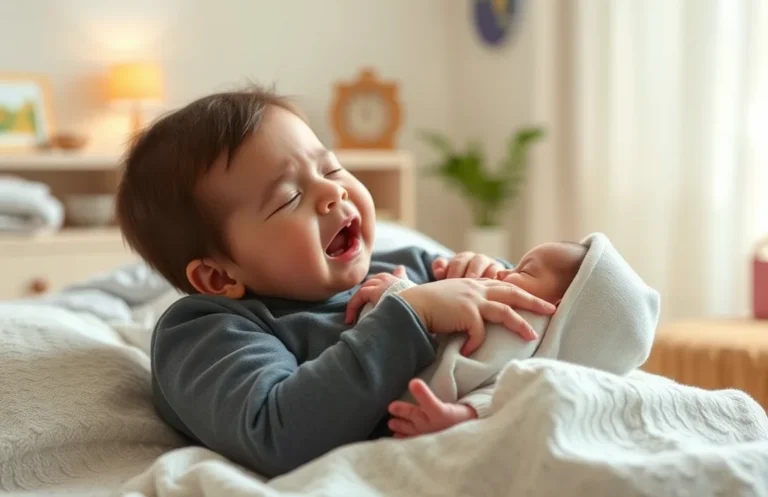
- Restlessness or irritability.
- Warm to the touch, especially the back or chest.
Signs of Being Cold
- Cold extremities, such as hands and feet.
- Pale or mottled skin color.
- Shivering or trembling.
- Excessive fussiness or lethargy.
- Low body temperature when checked (below 97°F or 36.1°C).
Monitoring these signs helps to maintain an appropriate sleep environment, ensuring your baby stays comfortable throughout the night.
Adjusting Room Temperature
Controlling the sleep environment’s temperature is crucial for ensuring your baby’s comfort and promoting restful sleep. There are effective methods to manage the room temperature, primarily through thermostats and ventilation techniques.
Using Thermostats
Setting a thermostat to maintain a consistent temperature between 68°F and 72°F (20°C to 22°C) can provide an ideal sleeping environment for your baby. Programmable thermostats allow you to adjust the temperature throughout the day and night, ensuring a comfortable sleep setting during bedtime. Regularly check and calibrate your thermostat for accuracy, as even slight deviations can impact your baby’s comfort.
Ventilation Techniques
Proper ventilation is essential for maintaining a comfortable sleep environment. Open windows during cooler nights to allow fresh air to circulate, ensuring that the room does not become too stuffy. If outside temperatures are too hot or cold, using fans or air purifiers can help regulate indoor air quality and temperature. Positioning a fan in a corner can promote airflow without creating a direct draft on the baby.
Consider using blackout curtains to block out heat during the day and maintain a cooler room temperature. Regularly monitoring the temperature with a reliable thermometer can help you make timely adjustments for your baby’s comfort.
Bedding and Sleepwear Choices
Selecting the right bedding and sleepwear is crucial for maintaining a comfortable sleep temperature for your baby. Proper choices can significantly reduce the risk of overheating or becoming too cold, ensuring a safe sleep environment. Consider the following guidelines:
- Choose breathable fabrics: Opt for materials like cotton or bamboo that allow for good airflow. These fabrics help regulate your baby’s temperature and wick away moisture, keeping them dry and comfortable throughout the night.
- Avoid heavy blankets: Instead of using heavy or thick blankets, consider using lightweight sleep sacks or swaddles. These options provide warmth without excessive bulk and help prevent the risk of suffocation.
- Layering techniques: Dress your baby in layers to easily adjust their warmth. Start with a breathable onesie and add a lightweight sleep sack or a thin swaddle as needed. This way, you can remove or add layers depending on the room temperature.
- Monitor sleepwear fit: Ensure that sleepwear fits properly—not too tight or too loose. Loose sleepwear can lead to tangling or suffocation risks, while tight clothing may restrict movement and comfort.
Case Studies on Sleep Safety
This section examines real-life examples of temperature-related sleep issues in infants. Understanding these case studies can provide valuable insights into effective temperature management strategies and common mistakes to avoid.
Successful Temperature Management
One family reported their successful experience in maintaining an optimal sleep environment for their baby. They monitored the nursery temperature closely, keeping it between 68°F and 72°F (20°C to 22°C). By using a fan for ventilation and adjusting the room heater during winter, they ensured consistent air circulation. As a result, their baby slept soundly through the night and exhibited fewer signs of discomfort.
Mistakes to Avoid
Another case highlights the consequences of neglecting temperature control. A couple overlooked the nursery’s temperature, assuming that thicker blankets would suffice during colder months. The baby frequently woke up sweaty and irritable. After realizing this mistake, they removed excess bedding and opted for lighter sleep sacks, which improved their baby’s comfort and sleep quality significantly.
These examples underscore the importance of actively managing sleep temperature to promote a safer and more restful environment for infants.
Comparative Analysis of Sleep Environments
Understanding how different sleep environments affect baby sleep temperature is essential for ensuring safety and comfort. This section compares home and travel settings, as well as indoor versus outdoor factors, providing practical insights into maintaining optimal sleep conditions for infants.
| Environment | Temperature Control | Considerations |
|---|---|---|
| Home | Central heating and cooling systems | Consistent temperature, easier to monitor |
| Travel | Portable fans or heaters | Less control; check local climate |
| Indoor | Thermostats, air purifiers | Humidity levels; avoid drafts |
| Outdoor | Natural shade or sun | Monitor temperature changes; dress appropriately |
Home environments typically allow for better temperature management due to stable heating or cooling systems, making it easier to maintain the recommended range of 68°F to 72°F (20°C to 22°C). Travel settings may vary significantly and require additional attention to local weather conditions. Indoor spaces need to balance temperature and humidity, while outdoor settings can expose infants to rapid temperature fluctuations, necessitating careful monitoring of their clothing and sleeping arrangements.
Quick Summary
- The ideal room temperature for a baby’s sleep is between 68°F and 72°F (20°C to 22°C).
- Keeping the nursery well-ventilated can help maintain a comfortable temperature.
- Avoid overdressing your baby; use lightweight sleep sacks or pajamas appropriate for the season.
- Monitor your baby’s temperature by feeling their neck or back; they should feel warm but not hot.
- Use a room thermometer to help maintain consistent temperature levels.
- Be cautious of overheating, as it can increase the risk of Sudden Infant Death Syndrome (SIDS).
- Adjust the temperature based on your baby’s age, activity level, and the season to ensure comfort.
Frequently Asked Questions
What is the ideal room temperature for a baby to sleep in?
The ideal room temperature for a baby to sleep in is typically between 68°F to 72°F (20°C to 22°C). This range helps reduce the risk of overheating while ensuring the baby remains comfortable throughout the night.
How can I tell if my baby is too hot or too cold while sleeping?
To assess your baby’s temperature, feel their neck or back; it should be warm but not sweaty. If your baby’s hands and feet feel cold, they may be too cold, while sweating or flushed skin could indicate overheating.
What should my baby wear to sleep to maintain the right temperature?
Dress your baby in lightweight, breathable fabrics such as cotton. A sleep sack or wearable blanket can provide warmth without the risk of loose blankets, which are unsafe for infants.
Are there any tools to help monitor my baby’s sleep environment?
Yes, room thermometers can help you monitor the temperature, while smart baby monitors often include temperature and humidity sensors. These tools can provide reassurance that your baby’s sleep environment is within the recommended guidelines.
What should I do if the room temperature is outside the recommended range?
If the room is too hot, consider using a fan or air conditioning to cool it down, and dress your baby in lighter clothing. If it’s too cold, increase the room temperature and add layers, such as a sleep sack, to keep your baby warm and safe.

- Baby Monitor Long Range Review Exceptional Choices For Modern Parents 2026 - September 10, 2026
- 10 Best Yarn For A Baby Blanket Choosing Soft, Safe, And Easy Care Options 2026 - September 9, 2026
- 10 Best White Noise Machine Baby: Ultimate Sleep Solutions for Peaceful Nights 2026 - September 8, 2026