Many parents worry about how cold is too cold for a newborn to sleep. Babies cannot regulate body temperature like adults.
A room that feels slightly cool to an adult may feel uncomfortable or unsafe for a newborn. Knowing safe temperature limits helps reduce sleep risks and supports better rest.
Safe Room Temperature for Newborn Sleep
The ideal safe room temperature for newborn sleep is between 68°F and 72°F (20°C to 22°C). Maintaining this range helps prevent both overheating and cold stress. Most pediatricians recommend this “goldilocks” zone to ensure your baby sleeps soundly and safely.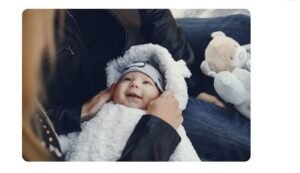
A consistent temperature is vital because newborns cannot regulate their body temperature as efficiently as adults. Keeping the nursery within this range reduces the risk of Sudden Infant Death Syndrome (SIDS) and promotes better sleep cycles for your infant.
What Temperature Is Too Cold for a Newborn?
A room temperature below 65°F (18°C) is generally considered too cold for a newborn. When the air drops below this level, a baby may begin to lose body heat faster than they can produce it.
Newborns have a high surface-area-to-mass ratio and very little body fat. This means they are highly susceptible to “cold stress.” If a baby gets too cold, they use up extra energy and calories to stay warm. This can lead to poor weight gain and disrupted sleep patterns.
Signs a Newborn Is Too Cold at Night
It is a common myth that cold hands or feet mean a baby is freezing. In reality, a newborn’s circulatory system is still developing, so their extremities are often cooler than the rest of their body. To check your baby’s true temperature, you should feel their chest, back, or tummy.
Key Warning Signs Your Baby Is Too Cold:
-
Cool Chest or Back: If their core feels chilly to the touch, they need another layer.
-
Pale or Blotchy Skin: Skin that looks unusually pale or has a marbled, “mottled” appearance can indicate cold.
-
Fussiness During Sleep: A baby who is too cold may wake up frequently or seem unusually irritable.
-
Reduced Movement: Extreme cold can make a baby lethargic. If they are too quiet or difficult to wake, check their temperature immediately.
-
Sneezing: While often normal, frequent sneezing can sometimes be a physical response to a sudden drop in temperature.
How to Dress Your Baby for Sleep
A good rule of thumb is to dress your baby in one more layer than you are wearing to be comfortable in the same room. Avoid using loose blankets, as these are safety hazards in a crib.
| Room Temperature | Recommended Clothing Layers |
| Above 75°F | Short-sleeve onesie or diaper only. |
| 68°F – 72°F | Long-sleeve onesie + light wearable blanket (Sleep Sack). |
| Below 65°F | Footed pajamas + fleece or heavy-weight sleep sack. |
Newborn Body Temperature Regulation
Newborns lose heat up to four times faster than adults. Because they have limited fat stores and an immature nervous system, they cannot regulate their internal temperature well. This makes newborns highly sensitive to cold during sleep.
Keeping your baby warm is about more than comfort; it is about energy. When a baby is too cold, they must burn extra calories to produce heat. This can lead to slower weight gain and more frequent wake-ups at night.
Winter Sleeping Risks for Newborns
Cold rooms and winter weather present specific challenges for infant safety. When the nursery temperature drops, the risks to your baby’s health and sleep quality increase.
-
Energy Loss: Babies burn through their energy reserves to maintain a safe core temperature. This can make them too tired to feed properly during the day.
-
Disrupted Sleep: A cold baby will wake up more often. They are physically unable to enter deep sleep cycles if their body is struggling to stay warm.
-
Safety Hazards: Parents often feel tempted to use heavy blankets or space heaters in winter. Both can increase the risk of suffocation or overheating, which are linked to SIDS.
How Clothing Affects Sleep Temperature
Choosing the right clothing is the safest way to manage your baby’s warmth. Unlike blankets, sleep clothing cannot be kicked over the baby’s face, reducing the risk of breathing obstruction.

The “Plus One” Layering Rule
A reliable guide for parents is to dress your newborn in one more layer than an adult would wear to feel comfortable in the same room. For example, if you are comfortable in a t-shirt, your baby likely needs a long-sleeve onesie and a sleep sack.
Layering for Success
-
Base Layer: Start with a soft cotton onesie.
-
Middle Layer: Add footed pajamas (sleep-and-plays).
-
Outer Layer: Use a wearable blanket or sleep sack. This traps warm air around the body while keeping the baby’s arms and head safe.
Swaddling and Cold Weather Sleep
Swaddling is a classic technique that supports warmth and comfort. It mimics the snug environment of the womb, which helps many newborns settle into sleep.
Benefits of Winter Swaddling
Swaddling provides an extra layer of insulation. It also prevents the “startle reflex” from waking the baby up when they feel a chill. However, you must use the right materials. Use breathable cotton or muslin rather than heavy quilts to allow for air circulation.
Safe Swaddling Tips:
-
Hip Health: Ensure the swaddle is loose around the hips so the legs can move freely.
-
Stop When Rolling: Once your baby shows signs of rolling over, you must stop swaddling and move to an arms-free sleep sack.
-
Avoid Overheating: Even in winter, a baby can get too hot in a swaddle. Always check their chest or the back of their neck for sweat.
Comparison of Winter Sleep Options
| Feature | Swaddle | Sleep Sack | Loose Blanket |
| Safety | High (for non-rollers) | High (All ages) | Dangerous |
| Warmth | Excellent | Very Good | Unreliable |
| Ease of Use | Requires practice | Zip and go | Easy but unsafe |
Crib Placement and Cold Air Exposure
You should place your baby’s crib in a spot that avoids direct exposure to drafts, windows, and exterior walls. Even if your thermostat shows a perfect 68°F to 72°F, the air right next to a window can be several degrees colder. Proper crib placement is a simple but effective way to prevent your newborn from getting too cold at night.
Strategic placement ensures your baby stays at a stable temperature throughout the night. It also protects them from sudden temperature drops if the wind picks up or the air conditioning kicks in.
Where to Put a Crib for Maximum Warmth
Choosing the right spot in the nursery can be just as important as the clothing your baby wears. Here is how to avoid “cold spots” in your home.
Avoid Windows and Drafty Areas
Windows are the primary source of heat loss in a room. Even modern double-pane windows can radiate a chill. Drafts from window frames can blow directly onto a sleeping infant, causing rapid heat loss.
Keep Away from Exterior Walls
Exterior walls are naturally cooler than interior walls. During winter months, a crib pushed directly against an outside wall can act like a heat sink, pulling warmth away from the mattress. If possible, place the crib against a wall that shares space with another heated room.
Watch Out for Air Vents and Units
Direct airflow from a central heating vent or a window AC unit can be too intense for a newborn.
-
The Risk: Hot air can cause overheating, while cold air can cause a chill.
-
The Solution: Position the crib so that air circulates around the room rather than blowing directly into the sleep space.
Using Heaters Safely in a Baby’s Room
While keeping the room warm is a priority, safety must come first. Using the wrong type of heat source can lead to fire hazards or dangerous air quality issues.
The Risks of Space Heaters
Portable space heaters are generally discouraged in nurseries. They can tip over, cause electrical fires, or burn a baby who has started to crawl. Furthermore, they often lack precise temperature controls, leading to a room that is dangerously hot one minute and cold the next.
Best Practices for Heating
-
Use Central Heating: This is the safest way to maintain a steady, regulated temperature throughout the house.
-
Oil-Filled Radiators: If you must use a supplemental heater, an oil-filled electric radiator is typically safer. They do not have exposed heating elements and provide a more consistent, “soft” heat.
-
Clearance: Always keep any heater at least three feet away from the crib, curtains, and bedding.
When to Contact a Pediatrician
Most of the time, a chilly baby just needs an extra layer. However, there are times when a baby’s inability to stay warm could signal an underlying health issue.
Physical Warning Signs
You should call your doctor if your baby shows any of the following symptoms:
-
Abnormal Body Temperature: A rectal temperature below 97.7°F (36.5°C) is considered low for a newborn.
-
Poor Feeding: If a baby is too cold, they may lack the energy to latch or suck properly.
-
Extreme Lethargy: A baby who is difficult to wake or seems unusually “floppy” needs immediate medical attention.
-
Color Changes: Seek help if the baby’s skin, lips, or tongue look blue or extremely pale.
Behavioral Changes
If your baby is consistently cool to the touch despite being dressed in several layers and staying in a warm room, it is worth a phone call to your pediatrician. They can rule out issues with circulation or metabolic function.
Quick Reference: Nursery Safety Checklist
| Category | Safety Action |
| Crib Spot | 12+ inches away from windows and vents. |
| Bedding | Firm mattress, tight sheet, no loose blankets. |
| Monitoring | Use a digital room thermometer at crib level. |
| Heating | Avoid portable heaters; use central heat if possible. |
Frequently Asked Questions
Is it safe to use a space heater in the nursery?
You should avoid using portable space heaters in a baby’s room if possible. They can cause a room to overheat quickly or create a fire hazard. If you must use one, ensure it has an automatic shut-off feature and keep it at least three feet away from the crib and any curtains.
Should my newborn wear a hat to sleep?
No. Babies release excess heat through their heads. If a baby wears a hat indoors while sleeping, they can easily overheat. Once you are inside and the baby is ready for bed, the hat should come off.
How do I check if my baby is overheating?
Check the nape of their neck. If the skin is sweaty, damp, or feels hot to the touch, your baby is too warm. Remove a layer of clothing immediately. Overheating is a more significant risk factor for SIDS than being slightly under-dressed.
Tips for Maintaining a Consistent Nursery Temperature
-
Use a Room Thermometer: Don’t rely on the thermostat in the hallway. Put a dedicated digital thermometer in the nursery near the crib.
-
Circulate the Air: Use a ceiling fan on a low setting. This helps distribute heat evenly and has been shown to reduce SIDS risk by keeping fresh air moving.
-
Check for Drafts: Ensure the crib is not placed directly under an air conditioning vent or next to a drafty window.
-
Use TOG Ratings: When buying sleep sacks, look for the TOG (Thermal Overall Grade) rating. A 1.0 TOG is standard for year-round use, while a 2.5 TOG is designed for colder winter nights.

- When Can Babies Start Sleeping on Their Stomach? - March 1, 2026
- Can Babies Sleep on a Slight Incline? Safety Guidelines - March 1, 2026
- 10 Natural Ways to Improve Your Sleep Quality Tonight - March 1, 2026