
Why Are My Babies Cheeks Always Red: Causes And Care

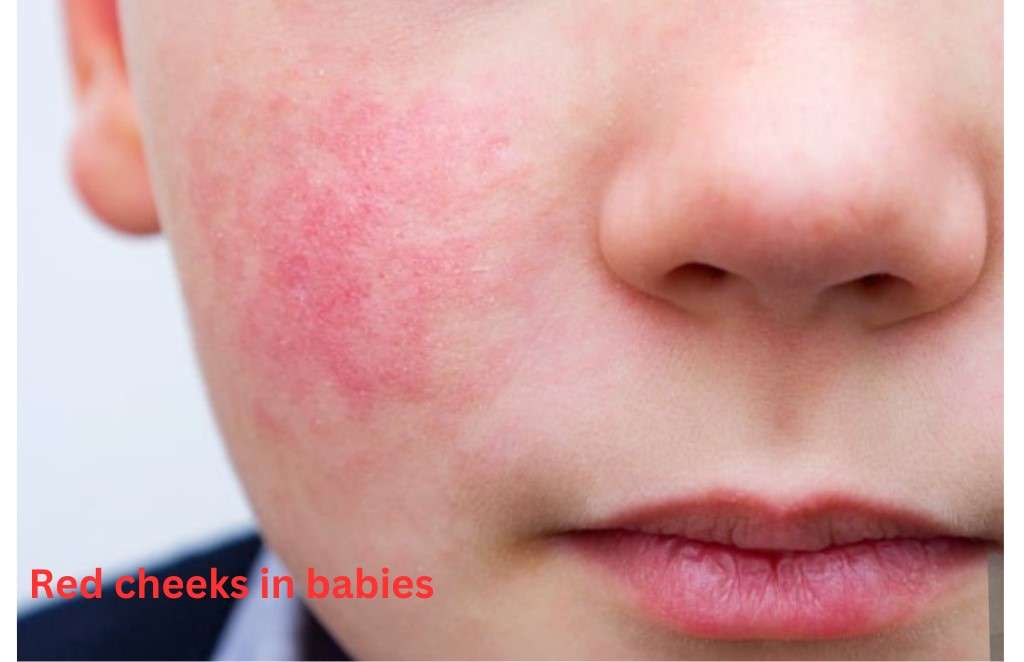
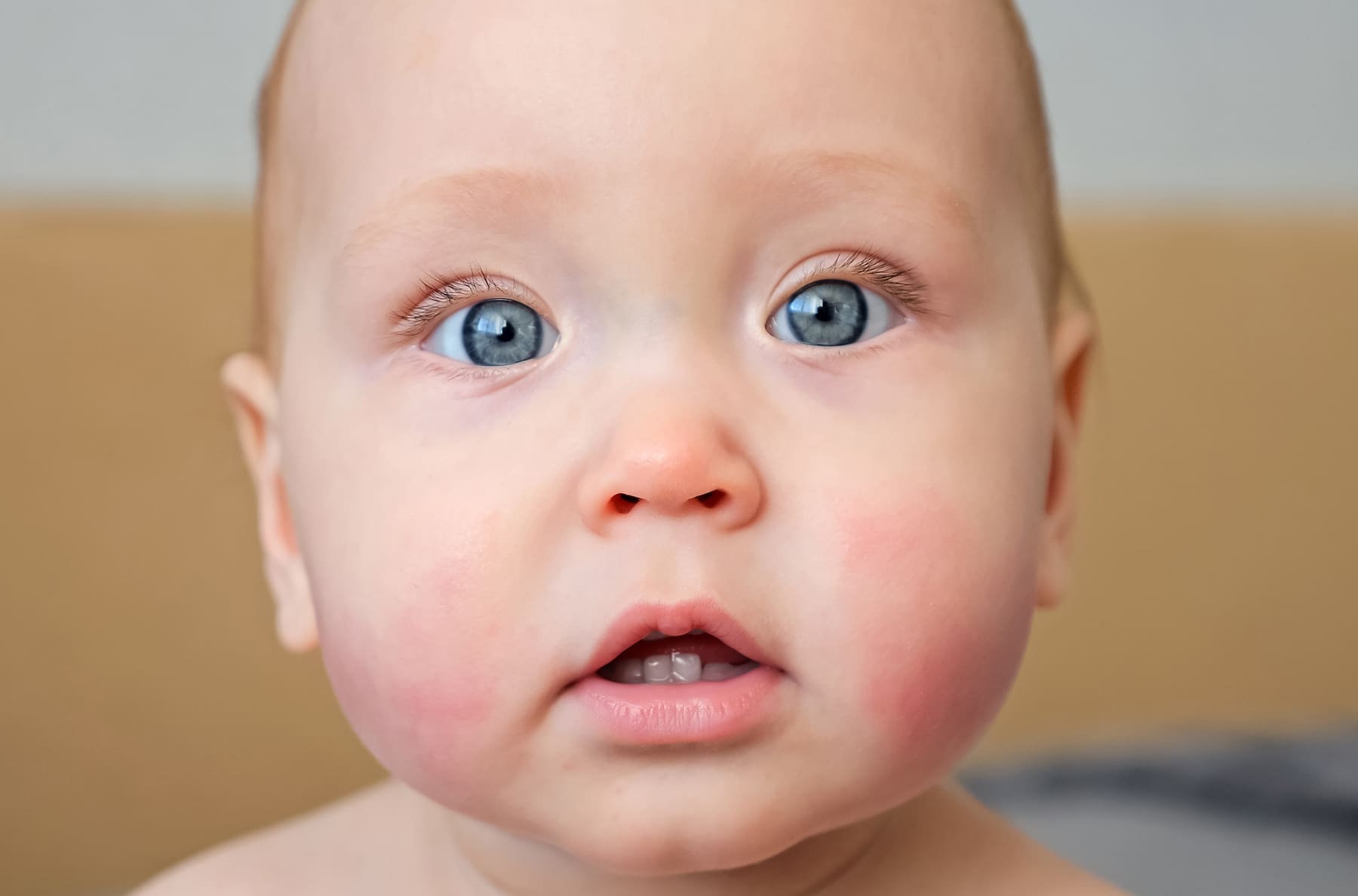
Red cheeks are common in babies and are often caused by heat, crying, drooling, dry skin, or mild irritation. In some cases, red cheeks can point to eczema, an allergic reaction, a viral illness, or another condition that needs medical care.
The key clues are how long the redness lasts, whether both cheeks are affected, what the skin feels like, and whether your baby has other symptoms. Red cheeks alone are usually not an emergency, but sudden redness with trouble breathing, swelling, fever, or unusual sleepiness needs prompt attention.
This guide focuses on babies in the United States and follows general guidance from organizations such as the American Academy of Pediatrics, the American Academy of Dermatology, and the Centers for Disease Control and Prevention.

Common reasons your baby’s cheeks are red
The most common causes of red cheeks are temporary flushing and skin irritation. Babies have sensitive skin and small blood vessels close to the surface, so changes in temperature, crying, feeding, and rubbing can show quickly on the face.
Heat, cold, crying, or feeding
A baby’s cheeks may turn red after:
- Crying hard
- Sucking or feeding
- Sleeping in a warm room
- Wearing too many layers
- Coming in from cold outdoor air
- Rubbing the face against clothing or bedding
This type of redness often fades after your baby cools down, settles, or stops rubbing the skin. The skin usually feels normal and does not have bumps, scales, cracks, or oozing.
Check the back of your baby’s neck or chest to judge body warmth. Hands and feet may feel cool even when your baby is comfortable. Remove one layer if the neck feels hot or sweaty, and avoid placing a hat on your baby indoors unless a clinician advises it.
Drool rash and food irritation
Drool can sit on the cheeks, chin, and around the mouth. Saliva may weaken the skin barrier and cause a red, rough, or slightly bumpy rash. Food can cause a similar irritation when it stays on the skin during or after meals.
Drool rash is not the same as a food allergy. A rash limited to areas touched by saliva or food is more likely to be irritation. Gently rinse the skin with lukewarm water, pat it dry, and apply a thin layer of a plain protective ointment, such as petroleum jelly, if your child’s health care professional has said it is suitable.
Do not scrub the skin or use scented wipes, alcohol-based products, essential oils, or adult acne treatments.
Dry skin or eczema
Eczema, also called atopic dermatitis, can make the cheeks red, dry, rough, itchy, or cracked. It often affects babies during the first year of life and may also appear on the scalp, arms, legs, or body.
Eczema may flare after exposure to:
- Dry indoor air
- Fragranced soaps or laundry products
- Hot baths
- Wool or rough fabric
- Saliva and repeated wiping
- Heat and sweating
Use short, lukewarm baths and a fragrance-free cleanser only when needed. Apply a thick, fragrance-free cream or ointment soon after bathing. If the skin is painful, oozing, crusted, or not improving, contact your baby’s pediatrician before using a medicated cream.
Contact irritation or allergy
A new product can irritate your baby’s cheeks. Possible triggers include detergent, fabric softener, lotion, sunscreen, wipes, soap, shampoo, and rough clothing.
Irritant contact dermatitis tends to remain where the product touched the skin. It may burn, become dry, or form small cracks. An allergic reaction can cause hives, swelling, itching, or redness that spreads beyond the contact area.
Stop the suspected new product and wash the area gently. If your baby has facial swelling, vomiting, wheezing, coughing, pale or bluish skin, or trouble breathing, call 911 in the United States.
Could teething cause red cheeks?
Teething can make a baby drool more, and the extra saliva can irritate one or both cheeks. This may explain red skin around the mouth, chin, and lower cheeks.
Teething does not usually cause a high fever, widespread rash, breathing problems, or marked illness. The American Academy of Pediatrics notes that teething may cause mild discomfort and a slight rise in temperature, but a true fever should not automatically be blamed on teething.
Try these steps:
- Wipe drool with a soft, clean cloth instead of rubbing.
- Let the skin dry between cleanups.
- Use a plain barrier ointment if recommended for your baby.
- Offer a cool teething ring that is made for infants.
- Avoid numbing gels that contain benzocaine unless a pediatrician specifically tells you to use one.
- Do not use amber teething necklaces because they can create choking and strangulation risks.
Call your baby’s doctor if teething symptoms are severe, if your baby refuses fluids, or if redness comes with fever, diarrhea, repeated vomiting, or unusual sleepiness.

When red cheeks may be caused by an illness
Red cheeks can occur with infections, but the cheek color alone does not identify the cause. Look at your baby’s overall behavior and check for fever, cough, congestion, vomiting, diarrhea, reduced feeding, or a rash elsewhere.
Fifth disease
Fifth disease is a viral infection caused by parvovirus B19. It may begin with mild cold-like symptoms and later cause bright red cheeks that look “slapped.” A lacy rash can then appear on the arms, legs, or trunk.
Many children recover without serious problems. However, pregnant people who are exposed to parvovirus B19 should contact their health care professional, especially if they have not had the infection before. People with certain blood disorders or weakened immune systems may also need medical advice.
Your baby’s pediatrician can help determine whether the rash fits fifth disease or another condition. Do not rely on the cheek appearance alone.
Fever and other infections
A baby may look flushed during a fever. Use a digital thermometer and follow the device instructions. For young babies, a rectal temperature is generally the most reliable method, but ask your pediatrician how to measure temperature safely.
In the United States:
- A baby younger than 3 months with a rectal temperature of 100.4°F (38°C) or higher needs urgent medical advice.
- Babies 3 to 6 months old with a fever should be assessed based on temperature, symptoms, and behavior.
- Any age with breathing trouble, dehydration, a seizure, a stiff neck, or severe illness needs urgent care.
Do not give an infant aspirin. Ask a pediatrician before giving acetaminophen or ibuprofen, especially to a young baby. Ibuprofen is generally not used in babies younger than 6 months unless a health care professional directs you to do so.
Skin infection
Bacteria can infect scratched, cracked, or irritated skin. Signs include redness that spreads, warmth, swelling, pain, pus, yellow crusts, blisters, or red streaks.
A skin infection can worsen quickly in a baby. Contact your pediatrician promptly if the cheek is increasingly swollen, tender, warm, or draining. Seek urgent care if your baby looks very ill or the redness is near the eye.

How to tell whether red cheeks need medical care
The pattern of redness can help you decide what to do, but it cannot replace an examination. Use the following guide as a safety check.
| What you notice | Possible explanation | What to do |
|---|---|---|
| Both cheeks turn red after crying or warmth and then fade | Normal flushing | Cool and settle your baby; monitor |
| Red, rough skin around the mouth with heavy drooling | Drool irritation | Gently clean, dry, and protect the skin |
| Dry, itchy, rough patches that return | Eczema or dry skin | Use fragrance-free skin care and call the pediatrician if persistent |
| Redness after a new soap, cream, wipe, or detergent | Contact irritation | Stop the new product and monitor |
| Bright red cheeks with a later lacy body rash | Possible fifth disease | Call the pediatrician for guidance |
| Warm, painful, swollen redness that spreads | Possible skin infection | Contact a clinician promptly |
| Red cheeks with hives, lip swelling, vomiting, wheezing, or breathing trouble | Possible serious allergy | Call 911 |
| Redness with a fever in a baby under 3 months | Possible infection | Seek urgent medical advice |
Call 911 now if your baby has:
- Trouble breathing, wheezing, or noisy breathing
- Swelling of the lips, tongue, throat, or face
- Blue, gray, or very pale skin
- A seizure or collapse
- Severe difficulty waking
- Signs of a serious allergic reaction
Contact a doctor promptly if your baby has:
- A fever of 100.4°F (38°C) or higher and is younger than 3 months
- A rash that does not fade when pressed, especially with fever or illness
- Redness that spreads quickly
- Pus, blisters, open sores, or yellow crust
- Poor feeding or much fewer wet diapers
- Repeated vomiting
- Persistent pain, swelling, or tenderness
- Redness near the eye
A rash that does not blanch means it does not briefly turn pale when pressed. Do not delay care to perform this check if your baby seems very sick.
What you can do at home for mild red cheeks
If your baby is alert, feeding normally, breathing comfortably, and has no concerning fever or rapidly spreading rash, gentle skin care is reasonable.
- Look for a trigger. Think about heat, crying, drooling, a new product, cold air, food, or rough fabric.
- Clean gently. Use lukewarm water and a soft cloth. Pat rather than rub.
- Protect the skin. Apply a thin layer of plain, fragrance-free ointment if the problem appears to be drool or moisture irritation.
- Moisturize dry areas. Use a fragrance-free cream or ointment rather than a scented lotion.
- Keep your baby comfortably cool. Avoid overheating and remove damp clothing.
- Pause new products. Use a simple routine until the redness improves.
- Take a photo. A clear photo can help your pediatrician compare changes over time.
- Track related symptoms. Record temperature, feeding, wet diapers, sleep, and whether the redness spreads.
Do not use hydrocortisone, antifungal cream, antibiotic ointment, antihistamines, or steroid medicines on your baby’s face unless a clinician recommends a specific product and instructions. The face absorbs some medicines more readily than thicker skin, and the wrong treatment can worsen a rash or hide signs of infection.
Improvement depends on the cause. Temporary flushing may fade within minutes. Mild irritation may improve over a few days after the trigger stops. Eczema can come and go and may need a long-term skin-care plan from your child’s clinician.
Why your baby’s cheeks may stay red
“Always red” can mean two different things: the cheeks are red most of the day, or they become red many times each day. Frequent flushing is often linked to heat, crying, feeding, or drooling. Constant redness is more likely to involve ongoing irritation, eczema, or another skin condition.
Consider these questions:
- Is the redness on one cheek or both?
- Does it fade when your baby is calm and cool?
- Is the skin dry, rough, itchy, cracked, swollen, or warm?
- Is there a rash on the body?
- Did you start a new soap, cream, detergent, wipe, or food?
- Does your baby have a fever or act unwell?
- Is your baby feeding and urinating normally?
- Does the redness follow pressure from a pacifier, bib, or clothing?
Make a pediatric appointment if the redness lasts more than several days, keeps returning without a clear trigger, disrupts sleep, becomes itchy or painful, or does not improve with gentle skin care. Bring a list of products used on the skin and photos taken when the redness is most visible.
A clinician may diagnose the cause by examining the skin and asking about timing, exposures, feeding, family history, and other symptoms. Most babies do not need extensive tests for simple flushing or eczema, but testing may be considered when the history suggests infection, allergy, or another condition.
Common mistakes to avoid
Several well-meant treatments can make facial redness worse.
- Do not scrub the cheeks. Friction can damage the skin barrier.
- Do not use multiple new products at once. You may not know which product caused the reaction.
- Do not assume every red rash is a food allergy. Irritation from saliva or food on the skin is common.
- Do not assume every fever is teething. Young infants with fever need medical advice.
- Do not cover the rash with heavy makeup or perfumed products. These may trap heat or irritate the skin.
- Do not apply prescription medicines from another person. A treatment that helped an older child may be unsafe for a baby.
- Do not wait for a rash to “declare itself” if your baby looks ill. Behavior, breathing, hydration, and temperature matter more than color alone.
If you are unsure, call your pediatrician’s office. In the United States, Poison Control can be reached at 1-800-222-1222 if your baby may have swallowed or contacted a potentially harmful product.
Frequently asked questions
Are red cheeks normal in babies?
Often, yes. Babies can have red cheeks after crying, feeding, sleeping warmly, exposure to cold air, or rubbing their skin. Redness is more reassuring when it fades, the skin feels normal, and your baby is comfortable and well.
Why are my baby’s cheeks red but there is no fever?
No-fever redness is commonly linked to heat, drooling, eczema, dry skin, contact irritation, or temporary flushing. A fever is only one possible sign of illness, so also watch for swelling, pain, spreading redness, poor feeding, breathing problems, or unusual sleepiness.
Can a food allergy cause red cheeks?
A food allergy can cause hives, facial swelling, vomiting, coughing, wheezing, or breathing trouble. Redness only where food touched the skin is more often irritation. If symptoms affect breathing or cause swelling of the lips or tongue, call 911.
Should I worry if only one cheek is red?
One red cheek may result from sleeping on that side, rubbing, drooling, pressure, or irritation. It can also signal a local skin infection if the area is warm, painful, swollen, or spreading. Contact a clinician if one-sided redness persists or worsens.
When should I call the pediatrician about red cheeks?
Call if the redness persists, spreads, becomes painful or swollen, develops blisters or drainage, returns without a clear cause, or occurs with fever or poor feeding. For a baby younger than 3 months, a temperature of 100.4°F (38°C) or higher requires urgent medical advice.
Key takeaways
- Red cheeks are often caused by heat, crying, drooling, dry skin, or eczema.
- A red, rough rash around the mouth commonly reflects moisture irritation rather than a food allergy.
- Fever, spreading redness, swelling, pus, breathing trouble, poor feeding, or unusual sleepiness changes the level of concern.
- A baby younger than 3 months with a temperature of 100.4°F (38°C) or higher needs urgent medical advice.
- Use gentle, fragrance-free skin care and avoid medicated creams unless your pediatrician recommends them.
- When in doubt, call your baby’s pediatrician and describe the redness, timing, temperature, and other symptoms.
Conclusion
Your baby’s red cheeks are often harmless, especially when the color comes and goes and your baby otherwise acts well. Drool, heat, crying, dry skin, and eczema are common explanations.
Persistent redness, a painful or spreading rash, fever, swelling, breathing problems, or changes in feeding and alertness should not be ignored. Start with gentle skin care, watch for patterns, and contact your pediatrician when the cause is unclear or the symptoms do not improve.