Why Are My Baby’s Lips White: Causes And What To Do

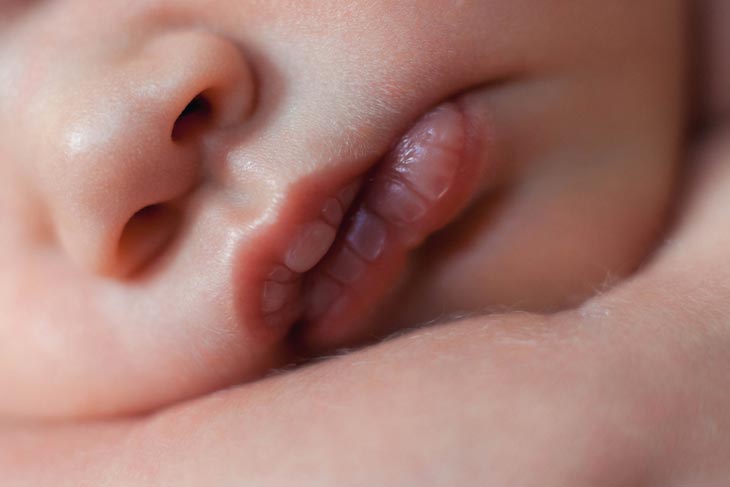
In the United States, a baby’s white lips are often caused by milk left after a feed, dry skin, or a temporary change from cold. A white coating inside the mouth may also be oral thrush. Less often, pale, gray, or blue lips can signal a breathing or circulation problem.
Look at where the white color is and how your baby acts. Milk that gently wipes away is usually less concerning. Patches that stay in place, poor feeding, fewer wet diapers, trouble breathing, or blue-gray skin need prompt medical care.

Common reasons your baby’s lips look white
The most likely cause depends on whether the color is on the outer lips, the inner lips, or inside the mouth.
Milk residue after feeding
Milk can dry on a baby’s lips and leave a white film. This is common after breast or bottle feeding. It may collect in the lip folds or on the tongue.
Milk residue usually:
- Appears soon after a feed
- Looks thin or creamy
- Comes off with a damp, clean cloth
- Does not seem painful
- Does not stop the baby from feeding well
Do not scrub the lips. Wipe them gently with clean water on a soft cloth if needed.
Normal skin dryness
Newborn skin can peel or become dry, especially around the mouth. Saliva, cold air, indoor heat, and frequent wiping can make the lips look pale or flaky.
Dry lips may feel rough. They may also have small cracks. A thin layer of plain petroleum jelly can help protect the skin, but avoid scented creams, essential oils, and adult lip products unless your baby’s clinician recommends them.
Cold or temporary paleness
Cold can narrow small blood vessels near the skin. This may make the lips look pale for a short time. The color should improve after your baby is warm and comfortable.
A baby who remains pale, gray, or blue is different. That color change may involve oxygen or blood flow and needs urgent attention.
Oral thrush
Oral thrush is a yeast infection caused by an overgrowth of Candida. It can cause white patches on the tongue, gums, inner cheeks, roof of the mouth, or inner lips.
Thrush patches often:
- Look thicker than milk
- Do not wipe away easily
- Leave red or sore tissue if rubbed
- Return after feeding
- Make feeding painful or less effective
Some babies with thrush become fussy at the breast or bottle. A breastfeeding parent may also have burning, itching, or painful nipples. Both parent and baby may need assessment if thrush passes between them.
Do not scrape white patches from your baby’s mouth. This can cause bleeding and pain.
Lip irritation
A pacifier, bottle nipple, frequent drooling, or a poor latch can irritate the skin around the mouth. Irritated skin may look pale, dry, red, or cracked.
A strong suction seal can also leave a temporary pale ring on the lips after feeding. The mark should fade. Ongoing sores, bleeding, swelling, or pain should be checked.
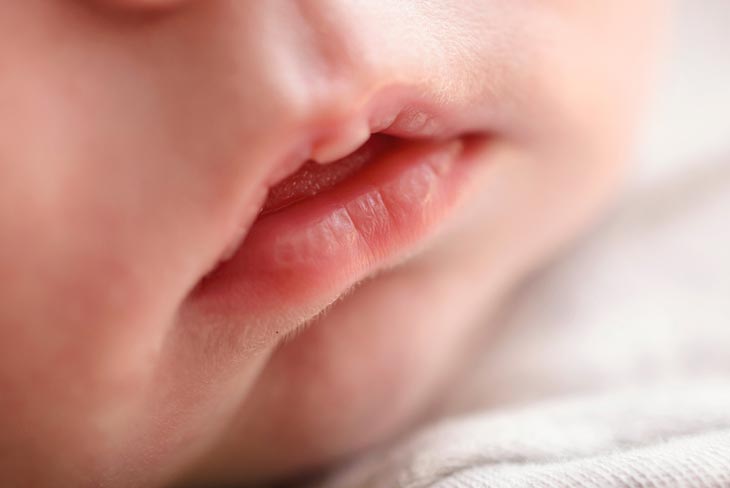
White lips after feeding: is it milk or thrush?
The easiest first check is whether the white material wipes away gently. This check is not a diagnosis, but it can help you describe the change to a pediatric clinician.
| Finding | More consistent with milk residue | More consistent with thrush |
|---|---|---|
| Where it appears | Lips, tongue, or mouth soon after feeding | Tongue, inner cheeks, gums, roof of mouth, or inner lips |
| Texture | Thin, wet, or creamy | Thick, clinging patches |
| Wipes away | Often yes, with gentle wiping | Often no |
| Tissue below it | Usually normal | May look red or irritated |
| Feeding | Usually normal | May cause fussiness or poor feeding |
| Course | Fades between feeds | Persists or returns |
If the material does not wipe away easily, stop trying to remove it. Contact your baby’s pediatrician for advice. A clinician can examine the mouth and decide whether treatment is needed.
Do not use an over-the-counter antifungal product in a baby’s mouth unless a health professional tells you to. Some products are not safe for infants or may be hard to use correctly.

When white or pale lips may be an emergency
Call 911 in the United States if your baby has pale, gray, or blue lips along with any sign of breathing or circulation trouble.
Emergency signs include:
- Trouble breathing, fast breathing, grunting, or ribs pulling in
- Blue or gray color around the mouth or on the tongue
- A limp body or unusual difficulty waking
- Choking that does not quickly resolve
- A seizure
- Severe swelling of the lips, tongue, or face
- Sudden hives with vomiting or breathing trouble
Blue or gray color on the tongue, gums, or inside of the mouth is especially concerning. Do not wait to see whether it fades.
Call your pediatrician promptly if your baby is pale and also feeds poorly, vomits repeatedly, seems weak, or has much less urine than usual. A newborn or young infant can become ill quickly.
For a baby younger than 3 months, a rectal temperature of 100.4°F (38°C) or higher needs immediate medical advice. Ask the clinician how to measure temperature safely if you are unsure.

Signs your baby may be dehydrated
White or dry lips alone do not prove dehydration. Look for a group of symptoms and compare them with your baby’s usual pattern.
Possible signs include:
- Fewer wet diapers than expected
- A dry or sticky mouth
- Few or no tears when crying
- Dark yellow urine
- Unusual sleepiness or weakness
- Poor feeding or refusal to feed
- A sunken soft spot on the head
Many newborns have fewer wet diapers during the first few days. By about day 4 to 5, many healthy babies have around six or more wet diapers in 24 hours, although the right amount varies. Your baby’s clinician can give guidance based on age, birth history, feeding, and weight.
Do not give water, juice, or homemade fluids to a young baby unless a clinician specifically directs you. Babies usually need breast milk or infant formula, and dehydration may require professional treatment.

What to do when your baby’s lips look white
Use this safe check in order.
1. Check your baby’s overall condition
Look at breathing, alertness, skin color, feeding, and wet diapers. A baby who is breathing normally, waking for feeds, and producing urine is less likely to have an emergency than a baby with the same lip color plus weakness or breathing trouble.
2. Check the location
Ask whether the color is:
- On the outer skin of the lips
- On the inner lips
- On the tongue or cheeks
- Around the whole mouth
- On the tongue and gums as well
White material only on the outer lips after feeding is often milk or dryness. White patches inside the mouth that stay attached need a clinician’s opinion.
3. Try only gentle cleaning
After a feed, use a clean, damp cloth to gently wipe the outside of the lips. Do not scrape the tongue, cheeks, or gums. Stop if the area bleeds or your baby seems uncomfortable.
4. Offer the usual feed
Continue normal breastfeeding or formula feeding if your baby is alert and able to feed. Watch for poor sucking, coughing, repeated pauses, vomiting, or refusal.
Never force a feed. Seek prompt advice if your baby cannot take enough milk.
5. Watch for change
Take a clear photo in good light. Note when the color began, whether it appears before or after feeds, how long it lasts, and how many wet diapers your baby has. This information can help the pediatrician.
6. Contact the pediatrician when the cause is unclear
Call the office if the color persists, keeps returning, does not wipe away, or comes with feeding pain. A clinician may need to examine your baby for thrush, irritation, dehydration, or another cause.

What not to put on a baby’s lips or mouth
Some common home remedies can harm infants or delay proper care.
Avoid:
- Honey, including on a pacifier or nipple
- Adult lip balms or medicated creams
- Essential oils
- Baking soda pastes
- Alcohol or hydrogen peroxide
- Scraping or brushing off mouth patches
- Leftover prescription medicine
- Water or juice for hydration without medical advice
The Centers for Disease Control and Prevention advises that children younger than 12 months should not receive honey because of the risk of infant botulism. A baby’s mouth is delicate, and products made for adults may contain ingredients that are unsafe when swallowed.
When to call your baby’s doctor
Contact your pediatrician if:
- White patches do not wipe away gently
- Your baby feeds less or seems uncomfortable while feeding
- The white color lasts after warming or after a feed
- Lips are cracked, bleeding, swollen, or painful
- Your baby has repeated mouth patches
- There are fewer wet diapers
- You suspect thrush in both baby and breastfeeding parent
- Your baby is younger than 3 months and seems unwell
Call 911 for blue or gray lips with breathing trouble, severe sleepiness, collapse, or sudden facial swelling.
If your baby looks well and the color appears briefly after feeding, gently clean the outer lips and watch for improvement. If you are worried, calling the pediatrician is appropriate even when the cause seems minor.

Frequently asked questions
Can teething cause white lips?
Teething can increase drooling and rubbing around the mouth. This may cause dry or irritated skin, but teething does not usually cause thick white patches inside the mouth. Persistent patches should be checked for thrush or another mouth condition.
Should I wipe white milk from my baby’s lips?
You may gently wipe milk from the outside of the lips with a clean, damp cloth. Do not scrub or scrape the inside of the mouth. If the material stays attached, ask your pediatrician before trying to remove it.
Is white on a baby’s tongue always thrush?
No. A white tongue after feeding is often milk residue. Thrush is more likely when thick patches remain on the tongue or other mouth surfaces and do not wipe away. A clinician should confirm the cause.
Can dehydration make a baby’s lips white?
Dehydration can make the mouth and lips look dry or pale, but white lips alone do not diagnose dehydration. Look for poor feeding, fewer wet diapers, a dry mouth, no tears, or unusual sleepiness, and contact a clinician if these occur.
Can a pacifier make my baby’s lips white?
A pacifier can cause a temporary pale pressure mark or irritate the skin around the mouth. The color should fade after the pacifier is removed. Ongoing whitening, cracking, sores, or swelling needs medical advice.
Key takeaways
- Milk residue and dry skin are common causes of white-looking lips.
- White patches that do not wipe away may be oral thrush.
- Check breathing, alertness, feeding, and wet diapers—not just lip color.
- Blue or gray lips, breathing trouble, or severe sleepiness require 911.
- Do not scrape mouth patches or use honey, adult creams, or home remedies.
- When the cause is unclear or the change persists, contact your baby’s pediatrician.
Conclusion
Your baby’s lips may look white because of milk, dryness, cold, or irritation. The key difference is whether the color clears and whether your baby otherwise seems well. Persistent mouth patches, poor feeding, dehydration signs, or unusual paleness deserve prompt medical advice.
If the lips are blue or gray, or your baby has breathing trouble or is hard to wake, call 911 in the United States.