Why Babies Cry When Born: The Reason Explained

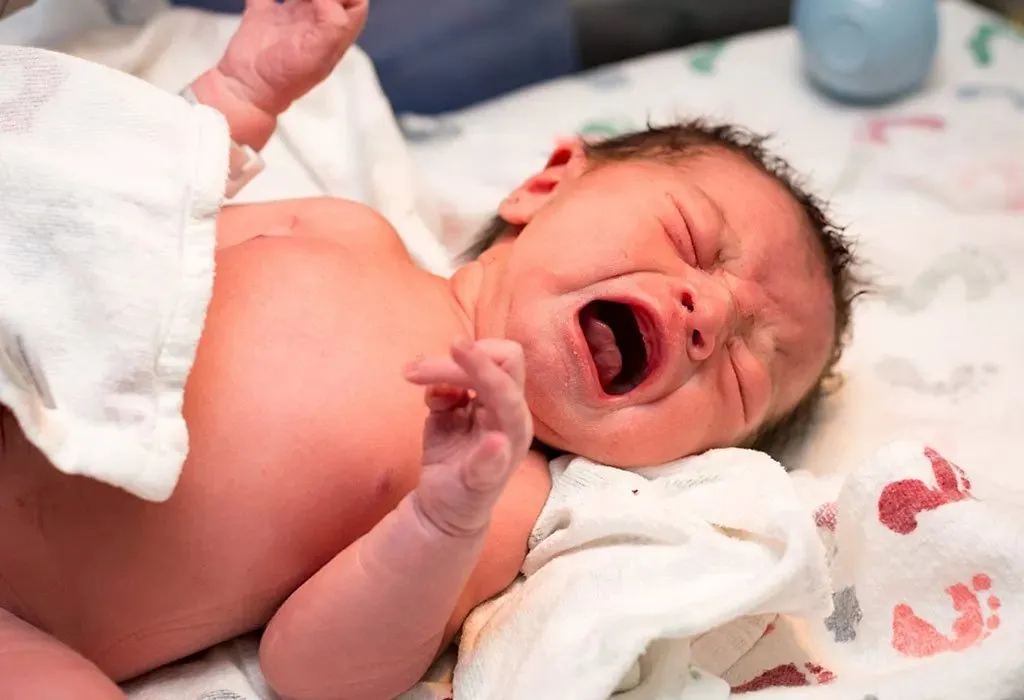
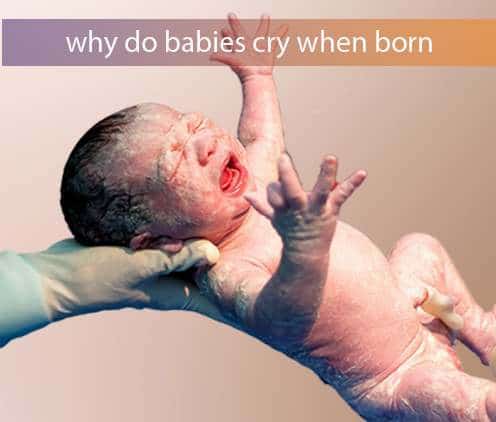
In U.S. delivery rooms, a baby may cry within seconds of birth as the lungs begin working outside the womb. The cry helps move air into the lungs, clear some fluid, and signal that the baby is responding to the change. However, a newborn does not have to cry to be healthy. Some babies breathe quietly or need brief help before they cry.
Quick answer: Why do babies cry at birth?
Babies cry when born mainly because birth brings a sudden change in their environment.
Before birth, the placenta supplies oxygen and removes carbon dioxide. The baby’s lungs contain fluid and do not yet provide the main supply of oxygen. After birth, the baby must begin breathing air.
The first breath helps open the air sacs in the lungs. The cry can help keep those air sacs open and move air through the lungs. The baby may also cry because of:
- The cool air in the delivery room
- Touch and drying by medical staff
- The sudden loss of the warm, enclosed womb
- Changes in pressure and body position
- The effort needed to take the first breaths
A first cry is a common sign that the baby is making the transition to life outside the womb. Still, doctors and nurses look at more than crying. They check breathing, heart rate, muscle tone, reflexes, and skin color.
What happens in a baby’s body after birth?
A newborn’s first breaths begin a fast change in the lungs and blood flow. This change is called the transition after birth.
The lungs fill with air
During pregnancy, the lungs contain fluid. At birth, some of this fluid leaves the lungs during labor and delivery. The rest is absorbed or moved out as the baby begins to breathe.
The first breaths push air into the lungs. This lets oxygen enter the blood and helps carbon dioxide leave the body. A strong cry often shows that air is moving well, but quiet breathing can also be normal.
Blood flow changes
Before birth, a baby’s blood flow bypasses much of the lungs because the placenta provides oxygen. After birth, the lungs expand and receive more blood.
The heart and blood vessels then begin to follow the normal newborn circulation pattern. This process takes place over minutes to hours, not all at once.
The baby responds to stimulation
Most newborns receive gentle care right after delivery. A nurse or clinician may:
- Dry the baby
- Rub the back or feet gently
- Remove wet towels
- Place the baby skin to skin
- Keep the baby warm
- Watch breathing and heart rate
These steps can encourage breathing and crying. They are not meant to cause pain. Routine deep suction is not recommended for every newborn. It is used when secretions block breathing or when the clinical team has another clear reason.
The first cry is not a required health test
The Apgar score is often checked at one and five minutes after birth. It measures:
- Appearance or skin color
- Pulse or heart rate
- Grimace or reflex response
- Activity or muscle tone
- Respiration or breathing
The Apgar score does not depend only on whether the baby cries. A baby who breathes well without crying may receive a reassuring assessment.
The American Academy of Pediatrics explains that newborn assessment focuses on breathing, heart rate, tone, and response. The American College of Obstetricians and Gynecologists also states that the Apgar score is a quick assessment, not a diagnosis by itself.
Do all babies cry immediately after birth?
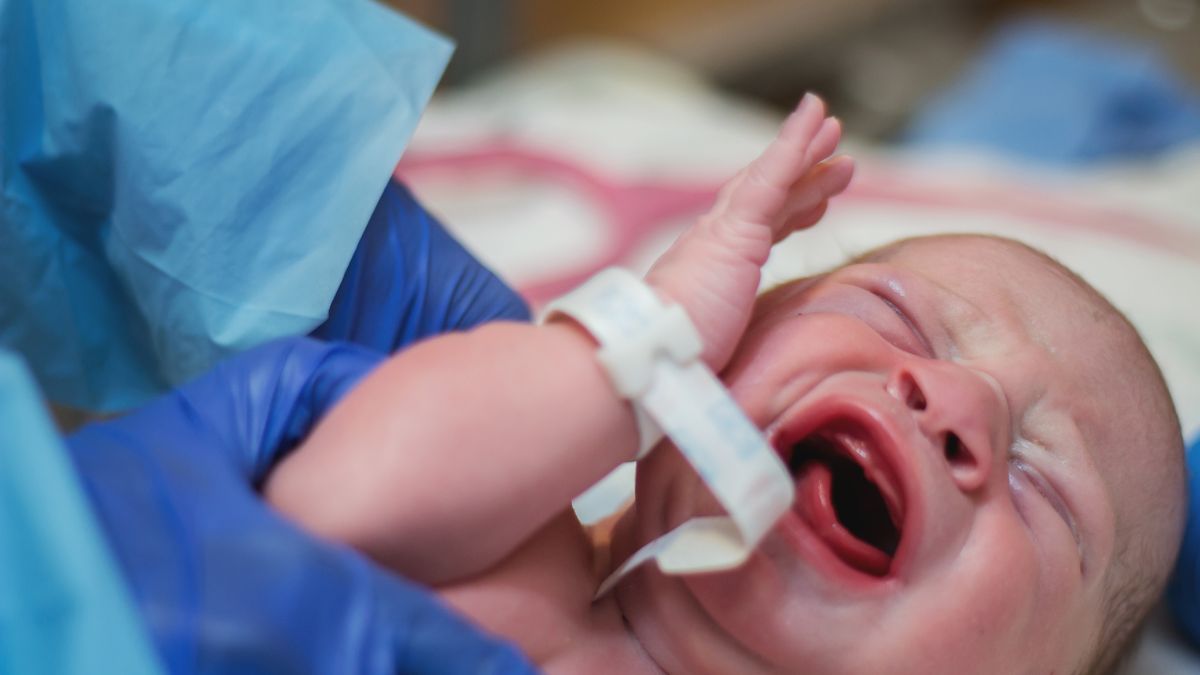
No. Some healthy babies take a few breaths without a loud cry. A quiet baby may still have good breathing, normal muscle tone, and a stable heart rate.
The timing of the first cry can vary with:
- Vaginal birth or cesarean birth
- Whether labor began before delivery
- The baby’s gestational age
- Medicines given during labor
- The amount of fluid or mucus near the airway
- The baby’s position
- Infection, blood loss, or other medical problems
A baby born by cesarean delivery may not have the same squeezing forces that occur during passage through the birth canal. This may affect how much lung fluid remains at first. It does not mean a cesarean baby cannot breathe or cry normally.
Pain medicine or anesthesia can also make a baby less alert for a short time. The care team considers the whole picture rather than waiting for a specific sound.
When a baby needs help breathing
If a newborn does not breathe well, the clinical team acts quickly. Support may include:
- Warming and drying the baby.
- Positioning the head and neck.
- Clearing the airway only when needed.
- Giving gentle stimulation.
- Using a mask to provide breaths if the baby is not breathing effectively.
- Starting more advanced newborn resuscitation if required.
The American Heart Association neonatal resuscitation guidance and the Neonatal Resuscitation Program guide trained health professionals during these events.
Parents may see staff move the baby to a warmer or work quietly and quickly. This does not always mean a serious problem. Sometimes a few simple steps are enough to help the baby breathe well.
Does crying mean the baby is in pain?
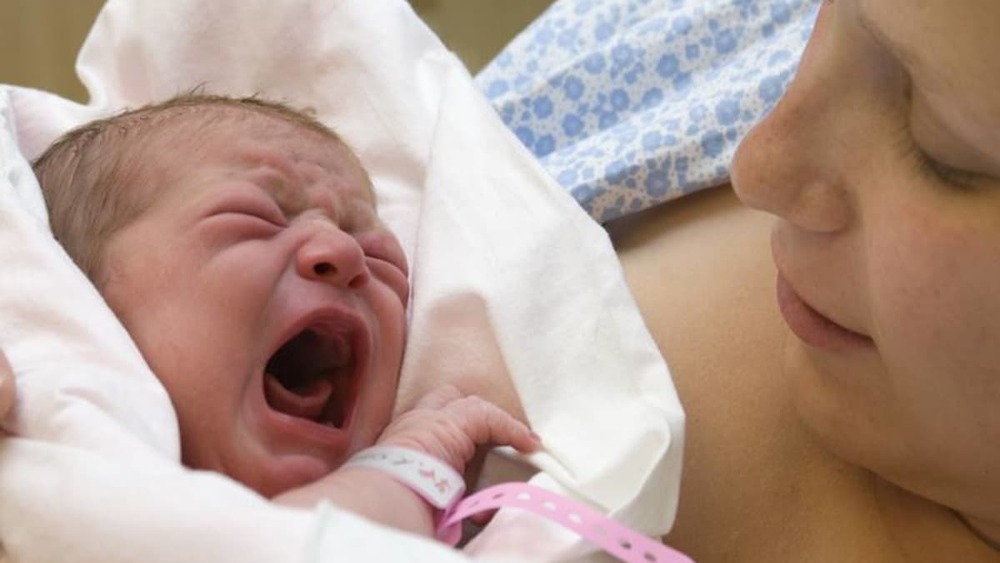
Not always. Crying is a broad response, not a precise measure of pain.
A newborn may cry because of cold air, touch, hunger, a wet diaper, or the effort of breathing. A baby can also cry during a healthy transition without having an injury.
Newborns can feel pain, and medical teams take pain relief seriously during procedures. But the first cry alone does not prove that birth caused pain. It also does not prove that no pain occurred.
The best clue comes from the full clinical assessment. The care team looks at breathing, heart rate, facial expression, movement, and the baby’s response over time.
What should parents expect in a U.S. delivery room?
Care varies by hospital, birth setting, and the health of the parent and baby. In many U.S. hospitals, a healthy newborn may be dried and placed on the parent’s chest for skin-to-skin contact soon after birth.
Common early steps include:
- Drying the baby and replacing wet blankets
- Checking breathing and heart rate
- Delaying some routine tasks while the baby remains skin to skin, when safe
- Supporting early feeding
- Giving vitamin K
- Applying antibiotic eye medicine where required by state or hospital policy
- Measuring weight and length later, when the baby is stable
The timing can change if the baby needs medical support or if the parent needs urgent care. Skin-to-skin contact is valuable, but safe breathing and temperature control come first.
Parents can ask their obstetric or pediatric team before delivery:
- Will skin-to-skin contact begin right away if the baby is stable?
- Who will explain the baby’s breathing assessment?
- What happens if the baby needs help breathing?
- Can my support person stay with me if the baby goes to a warmer?
- When will routine newborn care take place?
A birth plan can state preferences, but urgent medical needs take priority.

What if the baby does not cry after birth?
A baby who does not cry needs an assessment, not panic. The care team checks whether the baby is breathing, moving, and maintaining a stable heart rate.
A baby may be quiet but healthy if the baby:
- Breathes regularly
- Has good muscle tone
- Has a stable heart rate
- Responds to gentle stimulation
- Maintains an appropriate color for the stage of transition
A baby needs prompt medical help when there is:
- No breathing or only gasping
- Persistent blue or gray color
- Poor muscle tone
- A slow or falling heart rate
- Severe grunting, pulling in at the ribs, or other breathing distress
- Little or no response to stimulation
These signs require trained newborn care. A parent should not attempt mouth-to-mouth breathing, deep suction, shaking, or forceful rubbing. Follow the medical team’s directions.
If a baby is already home and has trouble breathing, call 911 in the United States. Emergency signs include pauses in breathing, blue lips or face, severe chest pulling, or a baby who is difficult to wake.

Why do babies cry after the first few minutes?
Crying often changes after the first breaths. Later crying usually relates to normal newborn needs rather than the transition itself.
Common causes include:
- Hunger
- A wet or soiled diaper
- Being too hot or cold
- Needing to burp
- Overstimulation
- Fatigue
- Need for touch and comfort
- Reflux or another health problem
A calm response often helps. Check the baby’s breathing and color first. Then try holding the baby close, offering a feeding when appropriate, changing the diaper, reducing noise and light, or swaddling as taught by the care team.
Never shake a baby. If crying feels overwhelming, place the baby on their back in a safe crib and step away for a few minutes while another trusted adult helps. In the U.S., parents can call or text 988 for mental health support if they feel at risk of harming themselves or someone else. Call 911 for immediate danger.
Common myths about a newborn’s first cry
Myth: A baby must cry loudly to be healthy
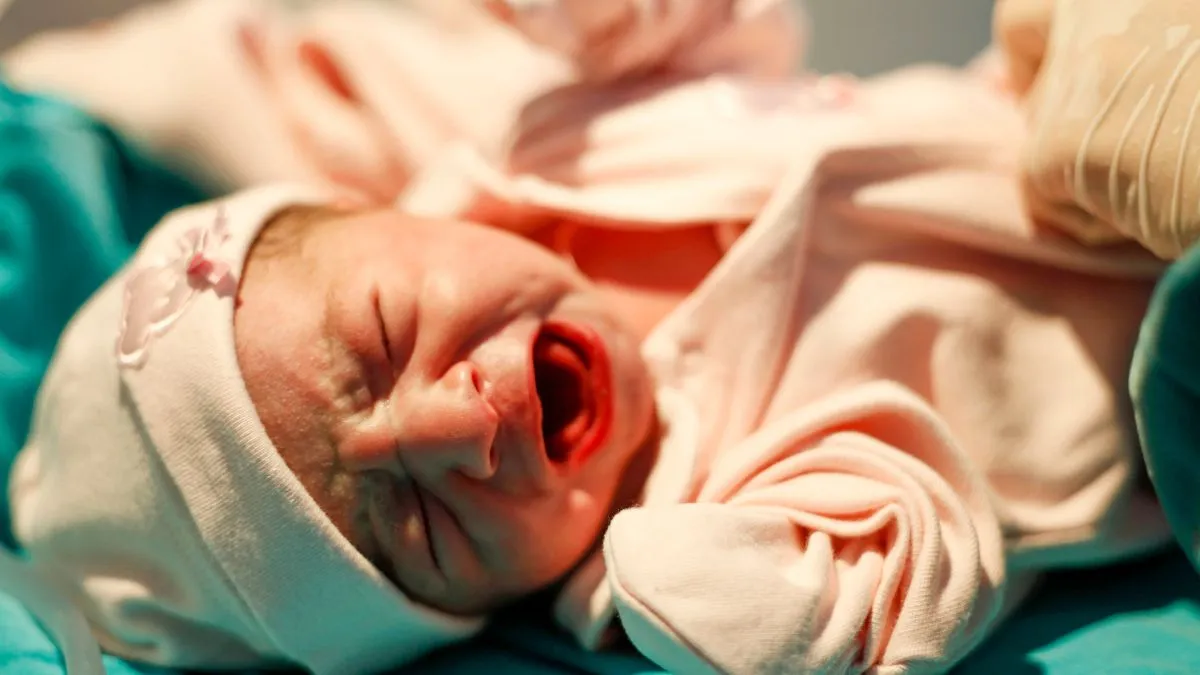
A loud cry can be reassuring, but it is not the only sign of health. Effective breathing, heart rate, tone, and color matter more than volume.
Myth: A baby who does not cry is always in danger
A quiet baby may be breathing normally. The medical team must assess the baby instead of judging health by sound alone.
Myth: Crying clears all fluid from the lungs
Crying may help move air, but lung fluid leaves through several processes. Labor, breathing, blood flow, and absorption all play a role.
Myth: Doctors should suction every newborn
Routine suction is not needed for every healthy newborn. It can irritate the airway and is generally reserved for a clear need.
Myth: The first cry proves the baby feels pain
Crying can have many causes. It does not identify pain by itself.
When should parents call a pediatrician?
After discharge, call the baby’s pediatrician if the baby has a new change in feeding, alertness, breathing, or behavior.
Seek urgent help for:
- Blue or gray skin, lips, or tongue
- Breathing pauses
- Fast breathing with chest pulling
- Repeated grunting
- A baby who cannot feed because of breathing trouble
- Extreme sleepiness or difficulty waking
- Fever in a newborn, based on the temperature and age guidance from the baby’s clinician
- Much fewer wet diapers than expected
Do not wait for crying to become loud or constant. Newborns can become ill without making much noise.
For routine questions, use the baby’s discharge instructions and pediatrician’s after-hours number. Advice may differ based on the baby’s age, gestational age, medical history, and feeding method.

FAQs about why babies cry when born
Is the first cry good for a baby’s lungs?
The first breath is essential because it brings air into the lungs. Crying can help maintain air pressure in the lungs, but a baby does not need to cry loudly for the lungs to work well.
How soon should a newborn cry after birth?
Many babies cry within seconds or minutes. There is no single required time. Health professionals assess breathing and heart rate and provide help if the baby is not adjusting well.
Can a baby breathe without crying?
Yes. Some babies breathe quietly and remain healthy. A quiet baby still needs routine observation, but the lack of a loud cry alone is not an emergency.
Why do babies cry during a cesarean birth?
A baby may cry because of the sudden change from the womb to the room, drying, touch, and the effort of taking the first breaths. Babies born by cesarean delivery may have different lung-fluid clearance, but many transition normally.
Should parents worry if a baby cries a lot after birth?
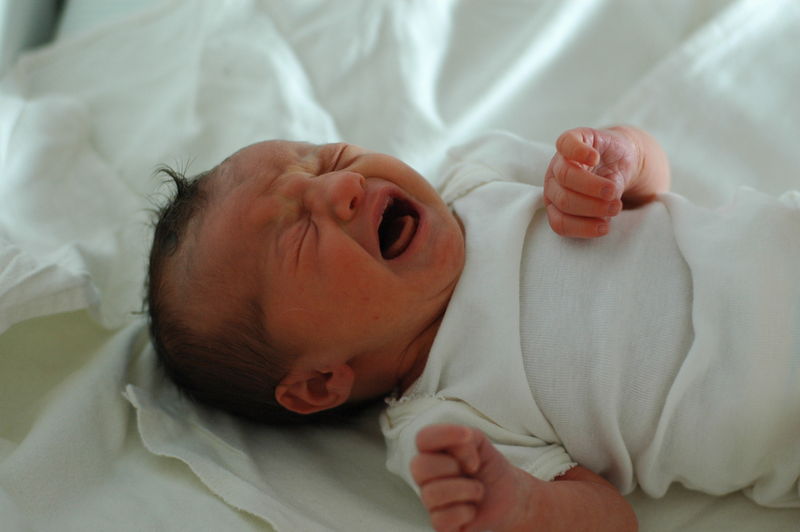
Frequent crying can be normal, especially when the baby is hungry, cold, tired, or overstimulated. Contact the pediatrician if crying is unusual, cannot be soothed, or occurs with poor feeding, fever, breathing problems, vomiting, injury, or marked sleepiness.
Key takeaways
- Babies often cry at birth as they begin breathing air.
- The first cry may help open and maintain the lungs, but crying is not required for a healthy transition.
- Doctors assess breathing, heart rate, muscle tone, reflexes, and color—not just the sound of the cry.
- A quiet or nonbreathing baby needs prompt assessment by trained medical staff.
- Parents should never shake, forcefully rub, or deeply suction a newborn.
- After discharge, breathing trouble, blue color, poor feeding, or unusual sleepiness requires urgent medical advice.
Sources
- American Academy of Pediatrics: Your Baby’s First Hours
- American College of Obstetricians and Gynecologists: Apgar Score
- American Heart Association: Cardiopulmonary Resuscitation and Emergency Cardiovascular Care
- American Academy of Pediatrics: Neonatal Resuscitation Program
- Merck Manual: The Newborn Infant
Conclusion
Babies cry when born because they are starting a major body change: breathing with their lungs instead of receiving oxygen through the placenta. The cry often reflects lung expansion and a response to light, air, touch, and movement.
Still, the cry is only one part of the picture. A baby who breathes well may be quiet, while a crying baby can still need care. The safest guide is the newborn assessment performed by trained medical professionals, followed by close attention to breathing, feeding, color, and alertness at home.