Why Do Babies Cough: Common Causes And What To Do

In the United States, most baby coughs come from a cold or another mild viral infection. Coughing is a normal reflex that helps clear mucus, milk, dust, and other irritants from the airway. However, a cough can sometimes signal breathing trouble, choking, croup, whooping cough, pneumonia, or another condition that needs medical care.
A baby’s age, breathing pattern, feeding, temperature, and overall behavior matter more than the sound of the cough alone. This guide explains common causes of baby coughs, safe home care, warning signs, and when to call a pediatrician or 911.
What Causes Babies to Cough?
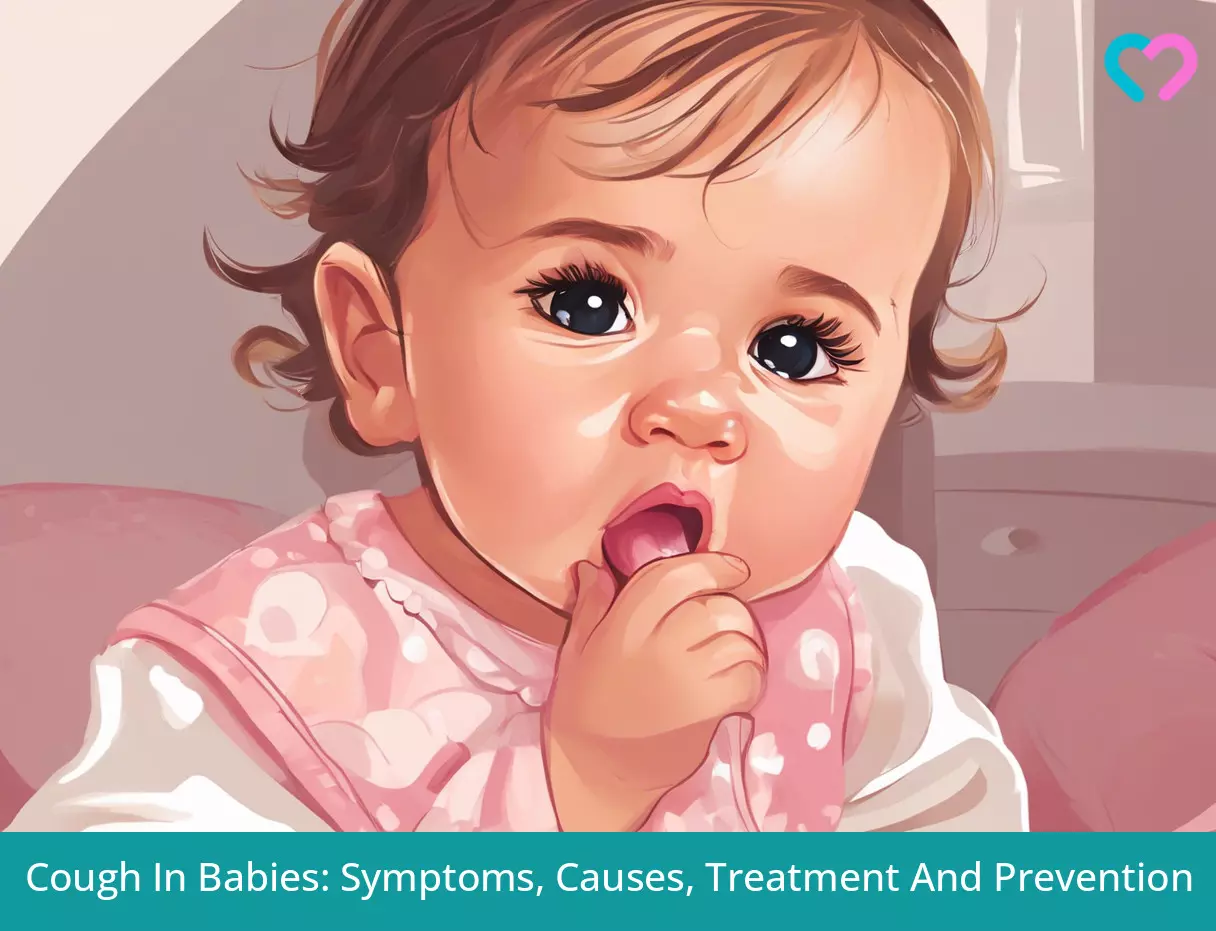
Babies cough when the throat or airways become irritated or blocked. The most common cause is a viral infection, such as a cold or respiratory syncytial virus (RSV). Other causes include mucus, dry air, reflux, allergies, asthma, croup, whooping cough, and accidental choking.
A cough may be:
- Dry: Little or no mucus comes up.
- Wet or congested: Mucus is present in the nose, throat, or chest.
- Barking: It may sound like a seal barking, as with croup.
- Wheezing: A high-pitched or musical sound may occur during breathing.
- Whooping: A sharp gasp may follow repeated coughs.
- Sudden: A sudden cough can indicate choking or an inhaled object.
The cough sound can offer clues, but it cannot confirm the cause. A health care professional may need to examine the baby, listen to the lungs, and check oxygen levels.
Common causes of coughing in babies
| Possible cause | Common clues | How urgent is it? |
|---|---|---|
| Common cold | Stuffy or runny nose, mild fever, cough | Usually mild, but watch breathing and feeding |
| RSV or bronchiolitis | Cough, congestion, fast breathing, wheezing, poor feeding | Call a clinician if breathing or feeding worsens |
| Croup | Barking cough, hoarse cry, noisy breathing | Urgent if noisy breathing occurs at rest |
| Whooping cough | Coughing fits, vomiting, whoop, pauses in breathing | Prompt medical evaluation is needed |
| Pneumonia | Fever, cough, fast breathing, low energy, poor feeding | Same-day medical evaluation may be needed |
| Reflux | Cough during or after feeds, spit-up, arching | Discuss persistent symptoms with a pediatrician |
| Choking | Sudden cough during feeding or while handling a small object | emergency if the baby cannot breathe, cry, or cough |
| Irritants | Smoke, vaping aerosol, strong scents, dust | Remove the irritant and seek help if symptoms continue |
Infants can become sick more quickly than older children because their airways are small. Even mild swelling or mucus can make breathing harder.

Is Coughing Normal for a Baby?
Occasional coughing can be normal. A baby may cough after swallowing milk too quickly, during a feed, or when mucus drains from the nose into the throat. A brief cough can also clear saliva or a small amount of spit-up.
A cough is more concerning when it is frequent, severe, or linked with breathing problems. Watch the baby, not just the cough. A baby who is alert, breathing comfortably, feeding normally, and making wet diapers is less likely to need emergency care than a baby who is struggling to breathe or becoming difficult to wake.
Contact the baby’s doctor if the cough:
- Lasts more than a few days and is not improving.
- Gets worse instead of better.
- Interferes with feeding or sleep.
- Causes repeated vomiting.
- Comes with fever, wheezing, or unusual tiredness.
- Occurs in a baby younger than 3 months.
- Follows a known exposure to whooping cough, RSV, influenza, or COVID-19.
A cough after a cold may last for several weeks because the airways can stay sensitive after the infection improves. Still, a persistent or recurring cough deserves medical review.

When Is a Baby’s Cough an Emergency?
Call 911 in the United States if a baby has severe trouble breathing, turns blue or gray, becomes unresponsive, or cannot cough, cry, or breathe because of choking.
Emergency warning signs include:
- Ribs pulling in with each breath.
- Skin sinking between the ribs or above the collarbone.
- Nostrils widening with breaths.
- Grunting while breathing.
- Pauses in breathing.
- Blue, gray, or very pale lips or face.
- Severe wheezing or harsh noisy breathing.
- Drooling with difficulty breathing or swallowing.
- A baby who is limp, hard to wake, or unusually weak.
- A sudden cough after a small object may have been inhaled.
If a baby is choking but can still cough forcefully, cry, or breathe, let the baby keep coughing and stay close. Do not blindly sweep a finger into the mouth. If the baby cannot cough, cry, or breathe, use infant choking first aid and call 911. The American Red Cross provides step-by-step guidance for infant choking emergencies.
Do not drive a baby yourself during severe breathing distress. Emergency responders can begin care on the way to the hospital.

When Should You Call a Pediatrician About a Baby’s Cough?
Call a pediatrician promptly when a baby is younger than 3 months and has a cough, especially with a rectal temperature of 100.4°F (38°C) or higher. Young infants can have serious infections without strong symptoms.
For older babies, call the doctor when the cough is paired with:
- Trouble breathing or faster breathing than usual.
- Poor feeding or tiring during feeds.
- Fewer wet diapers.
- Repeated vomiting.
- Fever that concerns you or does not improve.
- Wheezing, a barking cough, or a whooping sound.
- Unusual sleepiness or difficulty waking.
- A known exposure to pertussis, influenza, RSV, or COVID-19.
- Symptoms that are steadily worsening.
A pediatrician may ask about the cough’s start date, sound, timing, fever, feeding, wet diapers, breathing rate, and possible exposure to illness. If possible, record a short video of the cough for the clinician. Do not delay urgent care to make a recording.
The American Academy of Pediatrics advises parents to use caution with cough and cold products and to seek medical advice when symptoms are serious or persistent.

What Can You Do at Home for a Baby’s Cough?
For a mild cough in a baby who is breathing comfortably, focus on fluids, clear nasal passages, and a safe sleep setting.
1. Clear a blocked nose
Babies often cough because mucus runs from the nose into the throat. Place a few drops of saline solution in each nostril, then gently use a bulb syringe or nasal aspirator if needed.
Use gentle suction, especially before feeding and sleep. Too much suction can irritate the nose and cause swelling or bleeding.
2. Offer frequent feeds
Breast milk or formula helps maintain hydration. A congested baby may feed better with smaller, more frequent feeds.
Watch for dehydration. Concerning signs include:
- Much fewer wet diapers than usual.
- A dry mouth.
- No tears when crying.
- Sunken eyes or a sunken soft spot.
- Extreme sleepiness or weakness.
Call a health care professional if the baby cannot feed well or shows signs of dehydration.
3. Use a cool-mist humidifier carefully
A cool-mist humidifier may ease irritation from dry air. Keep it out of the baby’s reach and clean it as directed. Dirty humidifiers can spread mold, bacteria, or mineral particles.
Do not use hot-steam vaporizers near a baby. Hot water and steam can cause burns.
4. Reduce airway irritants
Keep the baby away from:
- Cigarette smoke.
- Marijuana smoke.
- Vaping aerosol.
- Fireplace smoke.
- Strong perfumes.
- Scented sprays.
- Dust and cleaning fumes.
Smoke exposure can worsen cough and raises the risk of respiratory infections and other health problems.
5. Keep sleep safe
Always place a baby on the back for sleep on a firm, flat surface. Do not use pillows, wedges, sleep positioners, loose blankets, or inclined sleepers to “help” the cough. Elevating a baby for sleep can create a dangerous position and does not safely treat congestion.
The National Institutes of Health Safe to Sleep program provides current U.S. safe-sleep guidance.

What Should You Not Give a Baby for a Cough?
Do not give a baby over-the-counter cough or cold medicine unless a health care professional specifically tells you to do so. The U.S. Food and Drug Administration warns against giving cough and cold products to children younger than 2 years because of the risk of serious side effects. Many products also contain more than one active ingredient, which can lead to accidental overdose.
Avoid these common but unsafe remedies:
- Honey for babies under 12 months: Honey can cause infant botulism. Babies who are 1 year or older may be able to have honey, but ask a clinician if the child has a medical condition.
- Adult medicine: Adult cough medicine, pain medicine, or decongestants can be dangerous for infants.
- Aspirin: Aspirin is generally avoided in children because of its link to Reye’s syndrome.
- Essential oils: Oils can irritate the airway and may be toxic if swallowed or applied to the skin.
- Menthol rubs: Do not apply mentholated products to or under the nose of an infant.
- Antibiotics without a prescription: Antibiotics do not treat viral colds and can cause side effects when used unnecessarily.
- Sleep positioners or crib elevation: These do not safely treat cough and may increase sleep risks.
Ask a pediatrician or pharmacist before giving any medicine. Use the exact measuring device supplied with a medicine, not a kitchen spoon.

Baby Cough by Sound: What Different Coughs May Mean
The sound of a cough can help describe symptoms to a clinician, but it does not provide a diagnosis by itself.
Barking cough
A barking cough often occurs with croup, a viral illness that causes swelling near the voice box. A hoarse voice may occur. Some babies also make a harsh, high-pitched sound when breathing in, called stridor.
Stridor at rest, blue lips, drooling, or visible breathing effort requires urgent care. Keep the baby calm because crying can worsen noisy breathing.
Wet or phlegmy cough
A wet cough may come from mucus in the nose, throat, or lower airways. Colds and bronchiolitis can cause this sound. A baby who is breathing comfortably may need only supportive care, but poor feeding or fast breathing requires a medical call.
Wheezing cough
Wheezing is a musical or whistling sound, often heard when breathing out. It may occur with bronchiolitis, asthma, or another airway problem. Babies with new wheezing should be assessed by a health care professional, especially if they are working hard to breathe.
Coughing fits with vomiting or a whoop
Repeated coughing spells can occur with pertussis, also called whooping cough. Babies may not make the classic “whoop.” Instead, they may have breathing pauses, turn red or blue, vomit, or struggle to feed.
Pertussis can be dangerous for infants. Contact a clinician promptly if it is suspected or if the baby was exposed to someone with pertussis.
Sudden cough during feeding
A sudden cough during a bottle or breastfeed may happen when milk flows too fast or the baby’s position makes swallowing difficult. Repeated coughing during feeds can point to a swallowing or coordination problem and should be discussed with a pediatrician.

How Doctors Evaluate a Baby Who Coughs
A clinician will first assess breathing, oxygen level, temperature, hydration, and alertness. The evaluation may include listening to the lungs and examining the nose, throat, and ears.
The doctor may ask:
- When did the cough begin?
- Is it dry, wet, barking, or accompanied by wheezing?
- Does it happen during feeds or after spit-up?
- Does the baby have a fever?
- Is the baby breathing faster or harder than usual?
- How much is the baby eating?
- How many wet diapers has the baby had?
- Was the baby exposed to illness, smoke, or a possible choking hazard?
- Has the baby received routine vaccines?
Testing depends on the symptoms. Some babies need no tests. Others may need a viral test, chest X-ray, blood work, or additional evaluation. Antibiotics are used for certain bacterial infections, not for routine viral colds.
Do not ask for antibiotics solely because a cough sounds wet or lasts several days. The treatment depends on the cause and the baby’s condition.

How to Help Prevent Coughing Illnesses
You cannot prevent every baby cough, but several steps lower the risk of infection and serious illness:
- Wash hands before touching or feeding the baby.
- Ask sick people to stay away from the baby.
- Avoid crowded indoor spaces during outbreaks when practical.
- Do not allow anyone to smoke or vape near the baby.
- Keep routine vaccines up to date.
- Follow the baby’s clinician’s advice about influenza, COVID-19, and other vaccines.
- Ask adults and caregivers about recommended pertussis vaccination.
- Clean frequently touched surfaces when someone at home is ill.
- Never leave small objects, button batteries, coins, or food pieces within reach.
The CDC infant and child immunization schedule and CDC pertussis guidance provide U.S.-specific prevention information.

Common Mistakes Parents Make With Baby Coughs
Focusing only on the cough sound
A dramatic cough does not always mean severe illness, and a quiet cough can still occur with a serious problem. Check breathing effort, color, feeding, hydration, and alertness.
Waiting when breathing is difficult
A baby who is pulling in at the ribs, grunting, turning blue, or having pauses in breathing needs urgent help. Do not wait for a cough to “run its course.”
Using too much suction
Nasal suction can help before feeds, but repeated or forceful suction may irritate the nose. Use saline and gentle suction only when needed.
Giving unsafe medicines
Cough syrups, decongestants, honey, essential oils, and adult medicines can harm infants. Ask a clinician before giving any product.
Putting a baby to sleep at an angle
An inclined sleeper, pillow, or crib wedge may seem helpful for congestion but can create a dangerous sleep position. Use a firm, flat, empty sleep surface.
Assuming no fever means no serious illness
Young infants may have serious infections without a high fever. Breathing, feeding, behavior, and wet diapers are also key signs.

Frequently Asked Questions About Baby Coughs
Why is my baby coughing but not sick?
A baby may cough from saliva, milk flow, nasal drainage, dry air, smoke, dust, or reflux. If the cough is frequent, happens during most feeds, or comes with choking, poor weight gain, wheezing, or breathing trouble, contact the pediatrician.
How long does a cough last in a baby?
A cough from a cold may improve over several days but can linger for a few weeks. The baby should gradually improve. A cough that worsens, disrupts feeding, or keeps returning needs medical advice.
Can teething cause a baby to cough?
Teething itself does not usually cause a true cough. Extra saliva may make a baby gag or cough briefly. Cough with fever, breathing trouble, diarrhea, or significant congestion is more likely to have another cause.
Can a baby cough from reflux?
Yes. Milk or stomach contents can move upward and irritate the throat. Coughing with frequent choking, back arching, feeding refusal, poor weight gain, or breathing problems should be evaluated. Do not place the baby on an incline for reflux.
Should I wake a sleeping baby who is coughing?
If the baby is breathing comfortably, has normal color, and can settle, you usually do not need to wake the baby for every cough. Check the baby regularly. Wake the baby and seek urgent help if breathing is difficult, color changes, or the baby is hard to wake.
Key Takeaways
- Babies cough most often because of a cold, mucus, or airway irritation.
- Breathing effort, color, feeding, hydration, and alertness matter more than the cough sound alone.
- Call 911 for severe breathing trouble, blue or gray color, unresponsiveness, or serious choking.
- Call a pediatrician promptly for a baby younger than 3 months with a cough or fever.
- Use saline, gentle suction, fluids, and a cool-mist humidifier for mild symptoms.
- Do not give babies cough medicine, honey under age 1, adult medicine, or essential oils without medical guidance.
- Keep every baby on the back on a firm, flat, empty sleep surface.
Conclusion
A baby’s cough is usually the body’s way of clearing mucus or irritation, but infants can worsen quickly when their small airways become swollen or blocked. Watch the whole picture: breathing, feeding, wet diapers, color, alertness, and symptom changes.
For mild symptoms, provide simple supportive care and avoid unsafe cough remedies. If the baby has breathing difficulty, color changes, poor feeding, unusual sleepiness, or a sudden choking episode, seek emergency help. When you are unsure, call the baby’s pediatrician for advice.