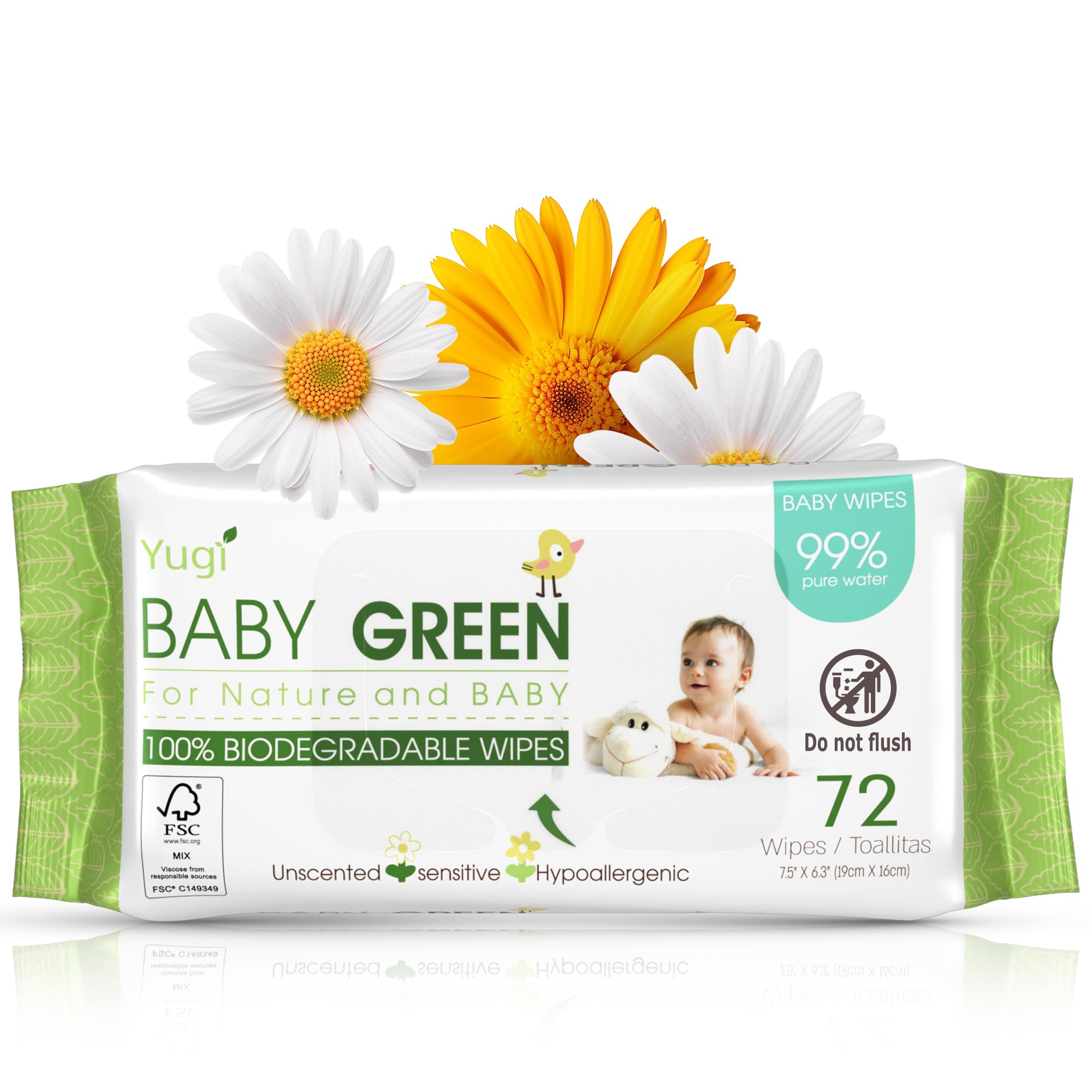
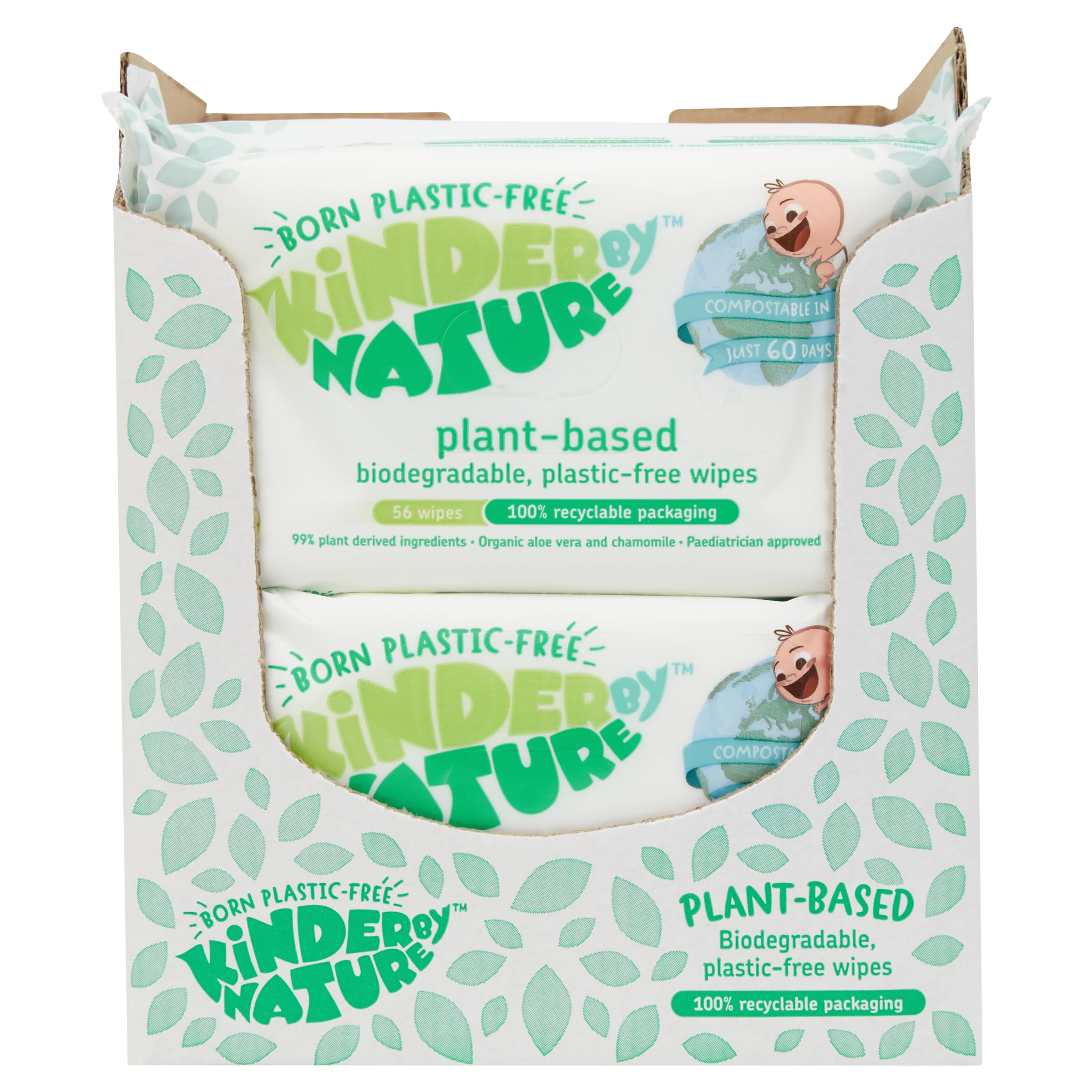
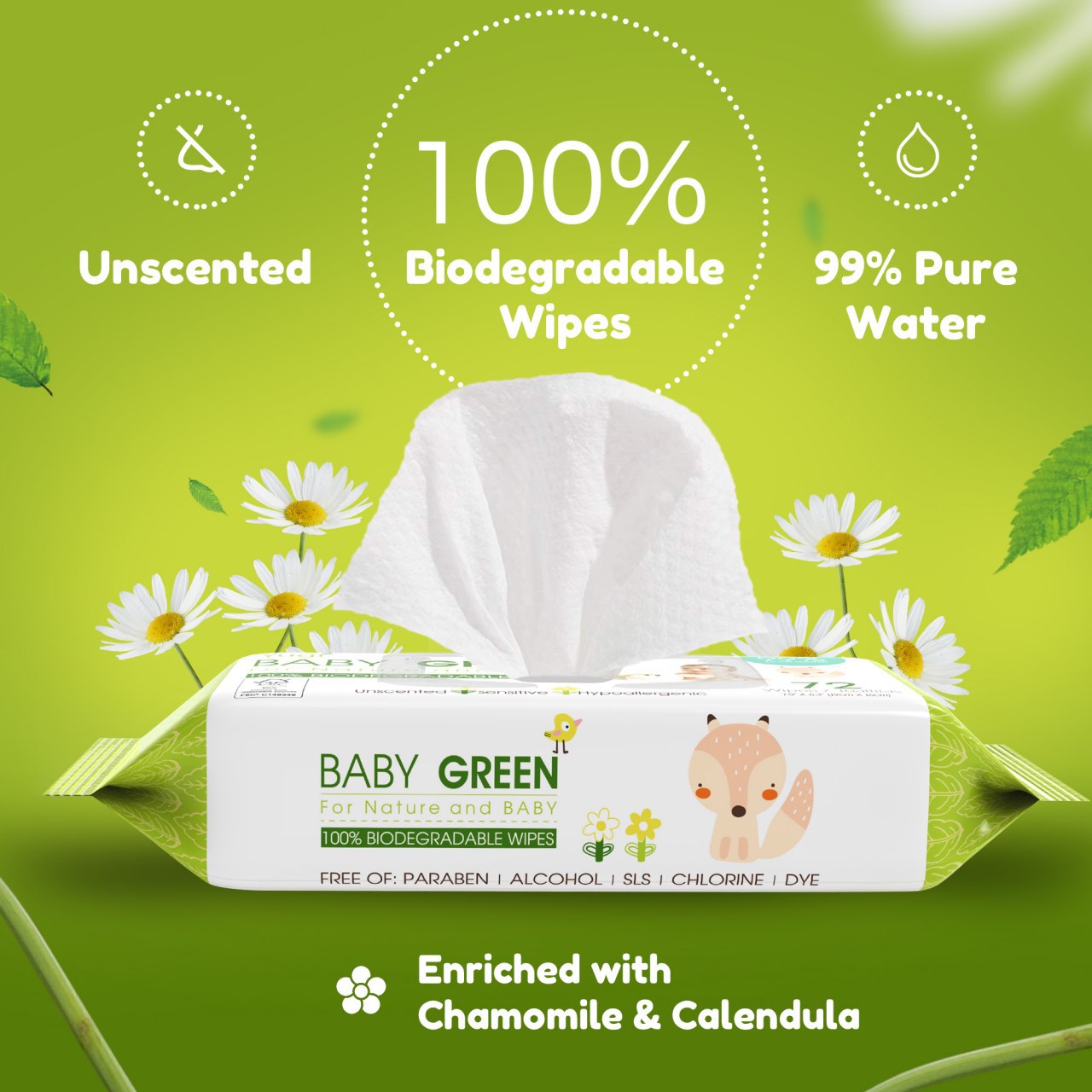
Some baby wipes are compostable, but most traditional baby wipes are not. A compostable baby wipe must be made from compostable materials and meet specific composting conditions.
In the United States, many parents use baby wipes every day for diaper changes, cleaning hands, and quick mess removal. However, not all wipes break down naturally after disposal. Most conventional baby wipes contain synthetic fibers such as plastic-based materials, which can remain in the environment for a long time.
Compostable baby wipes are designed to break down under suitable composting conditions, usually because they are made from plant-based fibers such as bamboo or cellulose. However, compostable does not always mean they can be placed in every backyard compost pile or flushed down a toilet. Parents should check product labeling and disposal instructions before choosing an eco-friendly option.
Compostable means a material can break down into natural components such as water, carbon dioxide, and organic matter under specific composting conditions. For baby wipes, this usually means the wipe material can decompose instead of remaining as persistent waste.
A compostable baby wipe is different from a biodegradable wipe. Biodegradable only means a product can eventually break down through natural processes, while compostable products are expected to break down into usable compost under defined conditions.
Source: Bing
Compostable materials
These wipes are commonly made from plant-based fibers such as bamboo, cotton, or cellulose.
Required conditions
Many compostable wipes require commercial composting facilities with controlled temperature, moisture, and microorganisms.
Not all wipes qualify
A wipe labeled natural, organic, or biodegradable may still contain materials that do not fully compost.
How Compostable Baby Wipes Are Different From Regular Baby Wipes
Traditional baby wipes often use polyester or other synthetic fibers to improve strength and durability. These materials can behave like plastic and may not break down easily after disposal.
Compostable wipes replace synthetic fibers with plant-derived materials. This can reduce plastic waste, but performance and breakdown speed depend on the specific product and composting environment.
Regular wipes
Usually designed for durability and moisture retention but may contain non-compostable synthetic fibers.
Compostable wipes
Designed to decompose under appropriate composting conditions when the product meets compostability requirements.
How to Tell If Baby Wipes Are Compostable
The best way to identify compostable baby wipes is to check the packaging, materials, and disposal instructions. Marketing terms alone are not enough because words such as eco-friendly or natural do not always indicate compostability.
Parents should look for clear information about fiber sources, composting standards, and whether the manufacturer recommends home or commercial composting.
Source: Bing
Check the material list
Look for plant-based fibers such as bamboo, cellulose, or other compostable materials.
Look for compostability claims
Reliable products provide specific disposal guidance instead of only using general environmental claims.
Avoid unclear labels
Terms like green, natural, or earth-friendly do not prove that a wipe is compostable.
Can Compostable Baby Wipes Go in a Backyard Compost Bin?
Not always. Some compostable wipes require industrial composting systems that maintain higher temperatures and controlled conditions than most backyard compost piles.
Parents should follow the manufacturer’s disposal instructions. If a product is not specifically approved for home composting, placing it in a backyard compost bin may not produce the expected result.
Home composting
Only suitable when the product instructions confirm backyard composting compatibility.
Commercial composting
May provide the controlled environment required for certain compostable wipes.
Compostable Baby Wipes vs Regular Baby Wipes
The main difference between compostable and regular baby wipes is the material used to create the wipe. Compostable options focus on reducing long-lasting waste, while conventional wipes prioritize durability and low production cost.
Choosing between them depends on household priorities, local waste systems, and whether proper composting access is available.
Source: Bing
Environmental impact
Compostable wipes may reduce plastic-related waste when disposed of correctly.
Availability
Traditional wipes are widely available, while compostable options may have fewer choices.
Cost considerations
Eco-friendly wipes may cost more because of alternative materials and manufacturing processes.
Comparison Table: Compostable vs Traditional Baby Wipes
This comparison shows the general differences between the two categories. Individual products may vary depending on ingredients and certifications.
Material
Compostable wipes often use plant fibers, while regular wipes commonly use synthetic fibers.
Disposal
Compostable wipes may require composting, while regular wipes usually belong in household trash.
Performance
Both types can clean effectively, but durability depends on the specific product design.
Common Mistakes When Disposing of Baby Wipes
Many disposal problems happen because consumers assume every environmentally labeled wipe can be composted or flushed. Disposal instructions vary widely between products.
Following the manufacturer’s guidance helps prevent plumbing issues and reduces contamination in recycling or composting systems.
Source: Bing
Flushing wipes
Even compostable wipes may not be safe to flush because plumbing systems are designed differently and wipes can cause blockages.
Assuming biodegradable means compostable
Biodegradable and compostable describe different breakdown standards.
Ignoring local rules
Waste facilities vary, so local composting programs may accept different materials.
What Should Parents Look for Before Buying Compostable Wipes?
Parents should consider more than the compostable label. Material safety, skin compatibility, packaging information, and disposal options all affect whether a product fits a family’s needs.
Ingredient transparency
Clear ingredient lists help parents understand what touches their baby’s skin.
Certification information
Recognized compostability certifications can provide additional information about product claims.
Are Compostable Baby Wipes Better for the Environment?
Compostable baby wipes can be a more environmentally conscious option when they are made from suitable materials and disposed of correctly. Their benefit depends on the entire lifecycle, including manufacturing, packaging, transportation, and waste management.
Switching to compostable wipes does not eliminate all environmental impact. Reducing unnecessary wipe use, choosing reusable options when practical, and disposing of wipes correctly can also help reduce waste.
Source: Bing
Potential benefit
Plant-based materials may reduce reliance on plastic-based fibers.
Important limitation
Incorrect disposal can prevent compostable wipes from breaking down as intended.
When Compostable Wipes May Not Be the Best Choice
Compostable wipes may not be the most practical option for every family. Limited composting access, higher cost, or specific skin needs may influence the decision.
Limited composting access
Families without composting options may not receive the full environmental benefit.
Budget concerns
Some households may prefer other waste-reduction methods because of cost differences.
Frequently Asked Questions of Are Baby Wipes Compostable
Q
Are all baby wipes compostable?
No. Most traditional baby wipes are not compostable because they may contain synthetic fibers. Only wipes specifically designed and labeled as compostable should be considered compostable.
Q
Can compostable baby wipes be flushed down the toilet?
Generally, no. Compostability does not mean flushability. Many wipes can create plumbing problems even when they are made from biodegradable or compostable materials.
Q
How long do compostable baby wipes take to break down?
The breakdown time depends on the materials, moisture, temperature, microorganisms, and composting system. There is no single timeframe that applies to all compostable wipes.
Q
Are bamboo baby wipes compostable?
Many bamboo baby wipes are designed to be compostable because bamboo is a plant-based fiber, but parents should confirm the specific product’s composting instructions.
Q
What is the safest way to dispose of baby wipes?
The safest method is to follow the manufacturer’s instructions. Unless a product is specifically accepted by a suitable composting system, placing used wipes in household trash is usually recommended.
✦ Wrapping Up
Conclusion
Some baby wipes are compostable, but the label alone does not tell the full story. Parents should check materials, certifications, and disposal instructions before choosing an eco-friendly wipe.
Compostable baby wipes can help reduce plastic waste when they are properly made and correctly managed after use. Understanding the limits of composting helps families make more informed choices.
💡 Key Takeaway
Before buying compostable baby wipes, check the material, verify disposal instructions, and choose a product that matches your local composting options.
Learn the differences between Baby Wipes vs Water Wipes, including ingredients, skin sensitivity, cleaning ability, cost, and safety considerations to choose the right option for your baby.
Compare baby wipes vs flushable wipes to understand differences in ingredients, safety, flushing risks, convenience, and which option works best for diaper changes and everyday cleanup.
Learn the difference between Baby Wipes vs Wet Wipes, including ingredients, safety, cleaning ability, best uses, and how to choose the right option for babies and families.