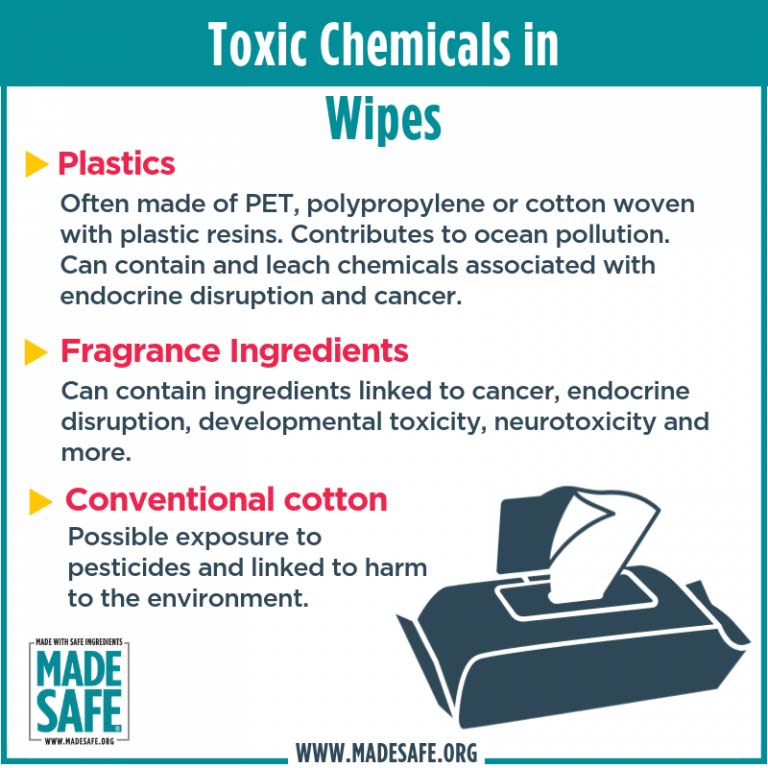
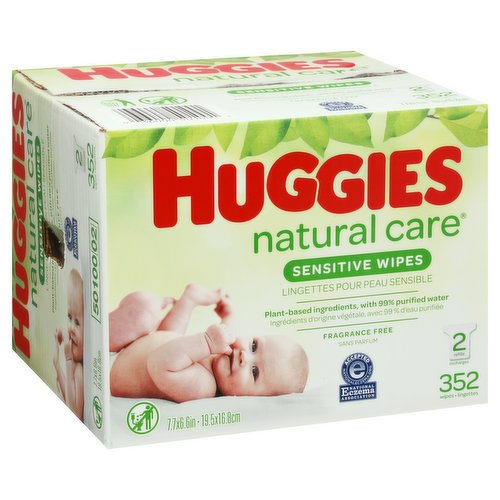
Most baby wipes are not considered toxic when used as directed, but some ingredients may irritate sensitive baby skin or trigger allergic reactions in certain children.
In the United States, millions of parents use baby wipes every day for diaper changes, cleaning hands, and quick messes. The main safety concern is usually not that standard baby wipes are poisonous, but whether specific ingredients such as fragrances, preservatives, or cleansing agents may cause skin irritation.
Baby wipes are regulated consumer products, but safety depends on the formulation, how often they are used, and a baby’s individual sensitivity. Parents can reduce potential problems by checking ingredient labels, choosing products designed for sensitive skin, and watching for signs of irritation.
What Does It Mean When People Ask If Baby Wipes Are Toxic?
When parents ask whether baby wipes are toxic, they are usually asking whether the ingredients can harm a baby’s skin, health, or development. Toxicity and irritation are different concerns. A product can be safe for general use but still cause problems for a child with sensitive skin.
Baby wipes usually contain a combination of water, fibers, moisturizing ingredients, cleansing agents, and preservatives that help prevent contamination. The safety question depends on the specific ingredients and the way the product is used.
Source: Bing
Toxicity
Toxicity refers to harmful effects from exposure to a substance at a certain amount and under specific conditions.
Skin irritation
Skin irritation can happen when ingredients affect the skin barrier, even if the product is generally considered safe.
Allergic reaction
Some babies may develop immune-related reactions to particular ingredients such as fragrances or preservatives.
Are Baby Wipes Safe for Newborns?
Many newborns can use baby wipes safely, but newborn skin is delicate and may be more sensitive during the first weeks of life. Some parents choose water-based or fragrance-free wipes during this period to reduce exposure to possible irritants.
Choose gentle formulas
Look for wipes labeled fragrance-free, alcohol-free, and suitable for sensitive skin.
Which Baby Wipe Ingredients May Cause Concerns?
The ingredients that receive the most attention from parents are usually those associated with fragrance, preservation, or cleansing performance. These ingredients are not automatically dangerous, but some may be unsuitable for babies with sensitive skin.
Source: Bing
Fragrance
Added fragrance can contain multiple compounds and may cause irritation or allergic reactions in some individuals.
Preservatives
Preservatives help prevent bacterial and mold growth in moist wipes, but certain preservatives may irritate sensitive skin.
Alcohol and harsh cleansers
Some cleansing ingredients can dry the skin or weaken the skin barrier when they are not suitable for a baby’s skin type.
Do Baby Wipes Contain Harmful Chemicals?
The word chemical does not automatically mean harmful. Everything in a baby wipe, including water and natural ingredients, is made of chemicals. The important factors are the specific substance, concentration, exposure level, and individual sensitivity.
Read the full ingredient list
Ingredient transparency helps parents identify products that match their baby’s needs.
How to Choose Safer Baby Wipes
Choosing safer baby wipes means matching the product to your baby’s skin needs rather than assuming one type works for every child. A simpler formula is often preferred for babies who experience frequent irritation.
Source: Bing
Look for fragrance-free options
Fragrance-free wipes may reduce the chance of irritation for babies with sensitive skin.
Check for gentle ingredients
Consider products with fewer unnecessary additives and ingredients designed for delicate skin.
Avoid using wipes on damaged skin
Open wounds, severe rashes, or irritated areas may require advice from a healthcare professional.
Signs That a Baby May Be Reacting to Wipes
A reaction may appear shortly after using a product or after repeated exposure. Parents should observe changes and stop using a product if irritation develops.
Possible signs
Redness, dryness, bumps, swelling, itching, or worsening diaper rash can indicate irritation.
Baby Wipes Safety Mistakes Parents Should Avoid
Most problems with baby wipes come from misuse, unsuitable products, or ignoring signs of skin sensitivity. Safe use involves more than choosing a product; it also requires proper handling.
Source: Bing
Using scented wipes on sensitive skin
Strongly scented products may increase the chance of irritation for some babies.
Rubbing too aggressively
Gentle wiping helps protect the baby’s natural skin barrier.
Ignoring repeated rashes
Persistent skin problems should be discussed with a pediatric healthcare provider.
When Should Parents Stop Using Baby Wipes?
Parents should consider stopping a specific wipe if irritation repeatedly appears after use, especially if symptoms improve when the product is discontinued.
Seek medical advice
A healthcare professional can help identify whether symptoms are caused by wipes, diapers, infections, or another condition.
Are Natural or Water-Based Baby Wipes Better?
Natural or water-based baby wipes may appeal to parents who want fewer ingredients or reduced fragrance exposure, but natural does not always mean irritation-free. A baby’s response depends on the complete formula.
Source: Bing
Water-based wipes
These products often contain a high percentage of water and may use fewer cleansing ingredients.
Reusable cloth wipes
Reusable options can reduce disposable waste but require proper washing and hygiene practices.
Disposable gentle wipes
Convenient options may work well when they match a baby’s skin sensitivity.
What Matters More Than Marketing Labels?
Terms such as natural, organic, or gentle can be helpful, but parents should review the ingredient list and consider their baby’s actual response to the product.
Focus on ingredients and results
A product’s performance and your baby’s skin response are more useful indicators than marketing language alone.
Frequently Asked Questions of Are Baby Wipes Toxic
Q
Can baby wipes cause diaper rash?
Yes, some babies may develop irritation or worsen existing diaper rash after using certain wipes. The cause may be fragrance, preservatives, friction, or sensitivity to an ingredient.
Q
Are scented baby wipes bad for babies?
Scented wipes are not automatically unsafe, but fragrance can irritate some babies. Fragrance-free options are often preferred for sensitive skin.
Q
Can babies have allergic reactions to baby wipes?
Yes, some babies can react to specific ingredients in wipes. Symptoms may include redness, itching, swelling, or a rash that improves after stopping use.
Q
Are baby wipes safe to use every day?
Many families use baby wipes daily without problems. Safe use depends on choosing an appropriate product and monitoring the baby’s skin.
Q
Should parents avoid baby wipes completely?
Most parents do not need to avoid baby wipes completely. Choosing a suitable formula and using gentle wiping techniques can help reduce potential issues.
✦ Wrapping Up
Conclusion
Baby wipes are not generally considered toxic when used as intended, but some ingredients may cause irritation or allergic reactions in certain babies. The safest choice depends on your baby’s skin sensitivity and the product formula.
Parents can make informed decisions by choosing simple, fragrance-free options when needed, checking ingredients, and paying attention to how their baby’s skin responds.
💡 Key Takeaway
If your baby develops redness or irritation after using a specific wipe, stop using that product and consider a gentler alternative or ask a healthcare professional for guidance.
Compare baby wipes vs cotton wool for babies to understand safety, convenience, skin sensitivity, cost, and when each option works best for diaper changes and daily care.
Learn how to choose baby wipes without sodium benzoate, understand ingredient labels, compare alternatives, and find safer options for sensitive baby skin.
Learn the difference between water wipes and baby wipes, including ingredients, skin sensitivity, cleaning ability, safety considerations, and how to choose the right option for your baby.