Why Is My Baby’s Poop White: Causes And When To Call

If your baby’s poop is truly white, gray, or chalky, call your pediatrician today. In the United States, white stool in a baby can be a sign that bile is not reaching the intestines. Bile gives poop its usual yellow, green, or brown color. A lack of bile may point to a liver or bile-duct problem that needs quick care.
A single light-colored diaper can be hard to judge. Lighting, diaper material, milk type, and camera settings can change how stool looks. Still, white, pale gray, clay-colored, or putty-colored poop should not be ignored, especially in a newborn or young infant.
This guide explains what white baby poop can mean, when to seek urgent help, and how to describe the stool to your baby’s doctor.
What does normal baby poop look like?
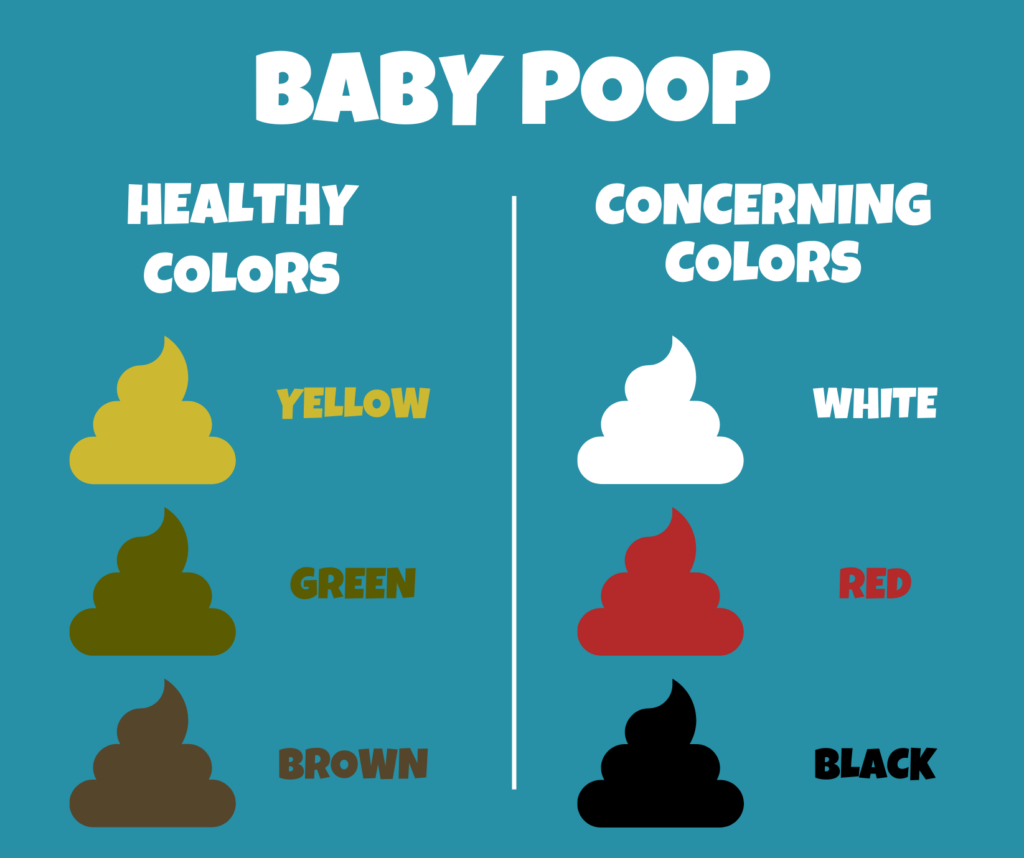
Normal baby poop can range from yellow to green to brown. The color often changes with age, feeding method, and the baby’s diet.
Common patterns include:
- Newborns: Black or dark green meconium during the first few days
- Breastfed babies: Yellow, mustard-like, loose, and sometimes seedy stool
- Formula-fed babies: Tan, yellow-brown, or greenish-brown stool
- Babies starting solid foods: Brown, green, orange, or mixed-color stool
- Babies taking iron: Dark green or nearly black stool
These changes are often normal. The key concern is stool that has little or no color from bile.
White versus light-colored stool
Parents may describe several different colors as “white.” These colors do not all carry the same meaning:
| Stool color | What it may look like | What to do |
|---|---|---|
| Pale yellow | Light mustard or cream | Usually less concerning, but ask if unsure |
| Tan or beige | Light brown or oatmeal-colored | Contact the pediatrician if it repeats |
| Light gray | Ash-like or cement-colored | Call the pediatrician promptly |
| White | Chalky, paper-white, or milk-white | Seek same-day medical advice |
| Clay-colored | Putty-like and lacking yellow or brown | Seek same-day medical advice |
| Green | Dark or bright green | Often normal by itself |
| Black after the newborn period | Tarry or sticky | Call the pediatrician promptly |
A stool that is merely light yellow is different from a stool that is white or gray. If you cannot tell, take a clear photo in natural light and contact your child’s clinician.
Why is my baby’s poop white?
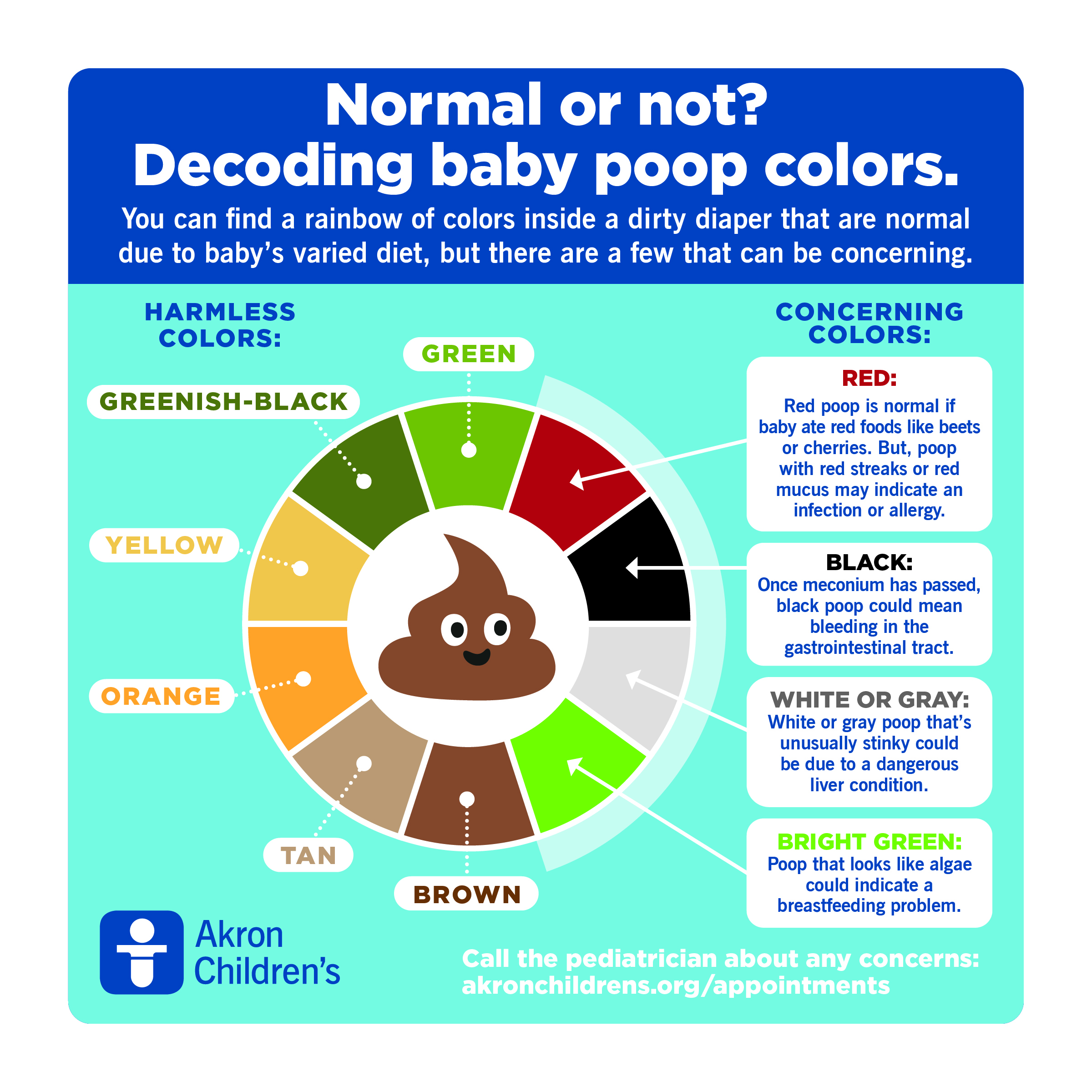
White or gray baby poop may happen when bile cannot move normally from the liver into the intestine. Bile contains pigments that help make stool yellow, green, and brown. When bile flow is reduced or blocked, the stool may become pale, gray, or white.
Possible causes include:
Biliary atresia
Biliary atresia is one of the most important causes to rule out in a young baby. It occurs when the bile ducts are damaged or blocked. Bile then builds up in the liver instead of moving into the intestine.
Babies with biliary atresia may also have:
- Yellow skin or yellow eyes, called jaundice
- Dark yellow, brown, or tea-colored urine
- A swollen or firm belly
- Poor feeding
- Slow weight gain
- Increased sleepiness or low energy
Biliary atresia is uncommon, but it can worsen quickly. Early diagnosis and treatment give a baby the best chance of protecting liver function. The American Academy of Pediatrics and pediatric liver organizations advise prompt medical assessment for pale or acholic stool.
Liver disease
Some liver conditions can reduce bile flow. These may occur because of infection, inherited disease, metabolic problems, or other causes. The stool may become pale while urine becomes darker.
A baby with liver disease may not look very sick at first. That is one reason a repeated white or gray stool deserves medical attention even when the baby is feeding and acting normally.
A blocked or narrowed bile duct
A blockage can stop bile from reaching the intestine. The blockage may relate to a developmental problem, inflammation, a cyst, or another condition.
Doctors may use blood tests and imaging to find out whether bile is flowing normally.
Cholestasis
Cholestasis means that bile flow is reduced or stopped. It is a symptom or finding, not one single disease. It can occur in newborns and older infants.
Causes of cholestasis include liver disease, infections, genetic conditions, and problems with the bile ducts. White or clay-colored stool is a key warning sign because it may show that bile is not entering the gut.
A temporary color change or viewing error
Sometimes a diaper looks white because of:
- Bright bathroom light
- Camera flash
- Diaper absorbent material
- Stool mixed with breast milk or formula
- A thin coating of mucus
- A very pale yellow stool mistaken for white
These explanations are possible, but they should not be assumed when the stool truly looks white or gray. A photograph and a clinician’s review can help separate a harmless color change from a medical concern.

When should I call the doctor about white baby poop?
Call your baby’s pediatrician the same day if the stool is white, gray, chalky, clay-colored, or repeatedly very pale. Do not wait several days to see if the color returns to normal.
Call promptly even if:
- The baby has only one unusual diaper
- The baby is feeding well
- The baby has no fever
- The baby is not yet visibly jaundiced
- You are not sure whether the stool is white or pale yellow
If your pediatrician is closed, use the office’s after-hours service or an urgent pediatric care service. Ask whether your baby needs an emergency evaluation.
Go to an emergency department now if white stool occurs with:
- Yellow skin or yellow eyes
- Dark brown or tea-colored urine
- Trouble waking the baby
- Poor feeding or repeated vomiting
- A swollen, hard, or painful belly
- Fever in a young infant
- Breathing trouble
- Signs of dehydration, such as very few wet diapers, a dry mouth, or unusual weakness
- A baby who looks seriously ill
For a baby younger than 3 months with a temperature of 100.4°F (38°C) or higher, seek urgent medical care. Do not give fever medicine to a young infant unless a clinician tells you to do so.

What should I do after seeing a white diaper?
Use a simple, safe check. It can help the doctor while avoiding delays.
- Look at the stool in natural daylight. Check whether it is white, gray, clay-colored, pale yellow, or tan.
- Take a clear photo. Avoid flash if possible. Include enough of the diaper to show the color.
- Keep the diaper if your clinician asks for it. Place it in a sealed bag and follow local medical advice.
- Write down related symptoms. Note jaundice, urine color, feeding changes, vomiting, fever, belly swelling, and wet diapers.
- Call the pediatrician the same day. Tell the office that the baby passed white or gray stool.
- Follow the recommended evaluation. The clinician may ask you to come in or may refer your baby to a pediatric gastroenterologist or liver specialist.
Do not stop breast milk or formula unless a clinician directs you to do so. Do not give water, juice, herbal products, laxatives, or home remedies to change the stool color.
What information will the doctor need?
The clinician may ask:
- When the color change began
- How many pale stools the baby has passed
- Whether the stool is white, gray, tan, or pale yellow
- Whether the baby is breastfed, formula-fed, or eating solids
- Whether the baby has jaundice
- What the urine looks like
- How often the baby feeds and urinates
- Whether the baby has gained weight normally
- Whether there is fever, vomiting, or a swollen belly
Bring the photo and a list of medicines, vitamins, and supplements. Include the baby’s age and birth history.

How do doctors check white stool in a baby?
Doctors usually begin with an exam and questions about stool, urine, feeding, and growth. If bile-flow disease is possible, they may order tests rather than relying on stool color alone.
Evaluation may include:
- Blood tests: These can measure bilirubin and liver enzymes.
- Direct bilirubin testing: Direct or conjugated bilirubin can show that bile is building up in the bloodstream.
- Urine testing: Dark urine may support concern about bilirubin or liver problems.
- Abdominal ultrasound: This may examine the liver, gallbladder, and bile ducts.
- Other imaging or specialized tests: These depend on the first results.
- Referral to a pediatric liver specialist: A specialist may be needed when cholestasis or bile-duct blockage is suspected.
A normal-looking baby can still have an important liver or bile-duct problem. The purpose of prompt testing is to find treatable causes early.
What does “acholic stool” mean?
Acholic stool is stool that lacks bile pigment. It may look white, pale gray, or clay-colored. Health professionals use this term when they are concerned that bile is not reaching the intestine.
“Acholic” does not name a specific disease. It describes a finding that needs evaluation.
Can a pediatrician diagnose the cause from a photo?
A photo can help show the color, but it cannot confirm the cause. Lighting can alter the image, and some serious conditions do not produce white stool every time.
The doctor may still need to examine the baby and order blood tests or imaging. A photo is useful evidence, not a replacement for medical care.
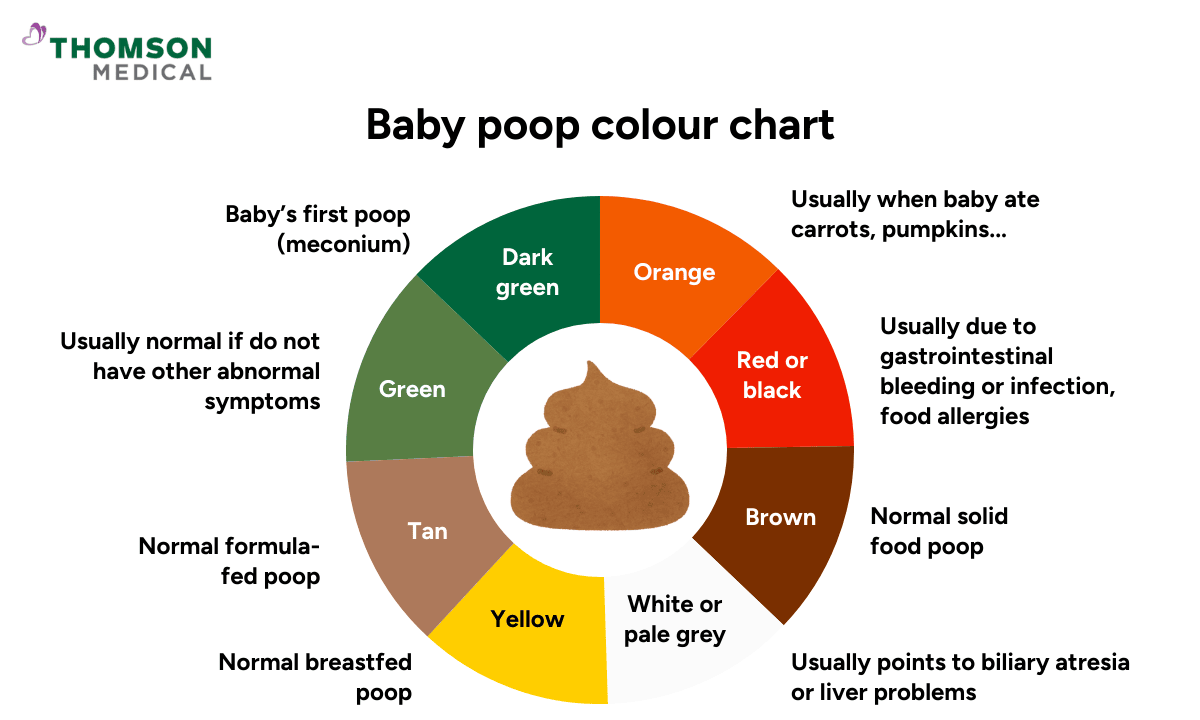
White poop versus other unusual baby stool colors
Color alone does not diagnose a condition. The baby’s age, symptoms, feeding, and urine color also matter.
| Stool finding | Common explanation | When to call |
|---|---|---|
| Yellow and seedy | Often normal in breastfed babies | Call for poor feeding, dehydration, or illness |
| Green | Often linked to normal digestion or feeding changes | Call if paired with illness or blood |
| Orange | May follow foods such as carrots or sweet potatoes | Call if the baby seems unwell |
| Red streaks | May be from a small anal tear, but can also mean bleeding | Contact a clinician |
| Black and tarry | Normal during the first days as meconium | Call after the newborn period unless a clinician explains it |
| White, gray, or clay-colored | May reflect reduced bile flow | Same-day medical advice |
Foods can change stool color after solids begin. For example, carrots may make stool orange, while leafy greens may make it green. Food changes generally do not make stool truly chalk-white.

Common mistakes parents make
Waiting for several more diapers
Parents may hope the next diaper will look normal. That can delay care when the color reflects reduced bile flow. Contact the pediatrician after noticing a truly white or gray stool.
Calling every pale yellow stool “white”
A pale yellow stool is not the same as a chalk-white stool. Natural light can help. If you remain unsure, send a photo to the pediatrician rather than guessing.
Assuming formula caused the problem
Formula can affect stool texture and shade. It does not explain away repeated white or clay-colored poop. Ask the clinician before changing formula.
Focusing only on jaundice
Jaundice may be subtle, especially in darker skin tones or in indoor light. Check the whites of the eyes and ask the clinician about any concern. A baby does not need to look yellow for white stool to require evaluation.
Using online photos as a diagnosis
Online images can be helpful for comparison, but they cannot account for lighting, the baby’s symptoms, or medical history. Use them only as a prompt to contact a clinician.

Key takeaways
- True white, gray, chalky, or clay-colored poop is not a normal color to ignore in a baby.
- It can mean that bile is not reaching the intestine.
- Call your baby’s pediatrician the same day.
- Seek emergency care for white stool with jaundice, dark urine, poor feeding, vomiting, a swollen belly, fever, dehydration, or unusual sleepiness.
- Take a photo in natural light and share it with the clinician.
- Do not use home remedies or delay care while waiting for the next diaper.
Frequently asked questions
Is one white diaper an emergency?
One white diaper needs prompt medical advice, but it does not always mean your baby needs an ambulance. Call the pediatrician the same day. Go to an emergency department if your baby also looks ill, has jaundice, cannot feed, vomits repeatedly, has a swollen belly, or shows signs of dehydration.
Can breastfed babies have white poop?
Breastfed babies often have yellow, loose, or seedy poop. Truly white or gray stool is not expected from breastfeeding alone. Contact the pediatrician if the diaper looks chalky, clay-colored, or gray.
Can formula make a baby’s poop white?
Formula can cause changes in texture and shade, including tan, yellow-brown, or green stool. It should not be used as an explanation for repeated white or gray poop without medical advice.
Is pale yellow baby poop normal?
Pale yellow may be normal, especially if it still has a clear yellow color. White, gray, or clay-colored stool is more concerning. If you cannot distinguish the colors, take a photo in natural light and call the pediatrician.
What does dark urine mean with white poop?
Dark yellow, brown, or tea-colored urine with white or gray stool can suggest that bilirubin is leaving through the urine instead of the intestine. Call a clinician promptly, particularly if the baby also has yellow skin or eyes.
Can teething cause white poop?
Teething does not usually cause truly white or clay-colored stool. It may change feeding or saliva intake, but white poop still needs medical assessment.
Conclusion
White baby poop is worth taking seriously because it can signal reduced bile flow, including conditions that affect the liver or bile ducts. A harmless lighting or diaper effect is possible, but you cannot safely confirm that at home.
Take a photo, check for jaundice and dark urine, and call your pediatrician the same day. If your baby is hard to wake, feeding poorly, vomiting, dehydrated, feverish, or has a swollen belly, seek emergency care.
Medical sources
- American Academy of Pediatrics: Biliary Atresia
- North American Society for Pediatric Gastroenterology, Hepatology and Nutrition: Guideline for the Evaluation of Cholestatic Jaundice in Infants
- National Institute of Diabetes and Digestive and Kidney Diseases: Biliary Atresia
- Centers for Disease Control and Prevention: Infant and Toddler Nutrition