Why Do Babies Keep Their Hands In Fists: What It Means

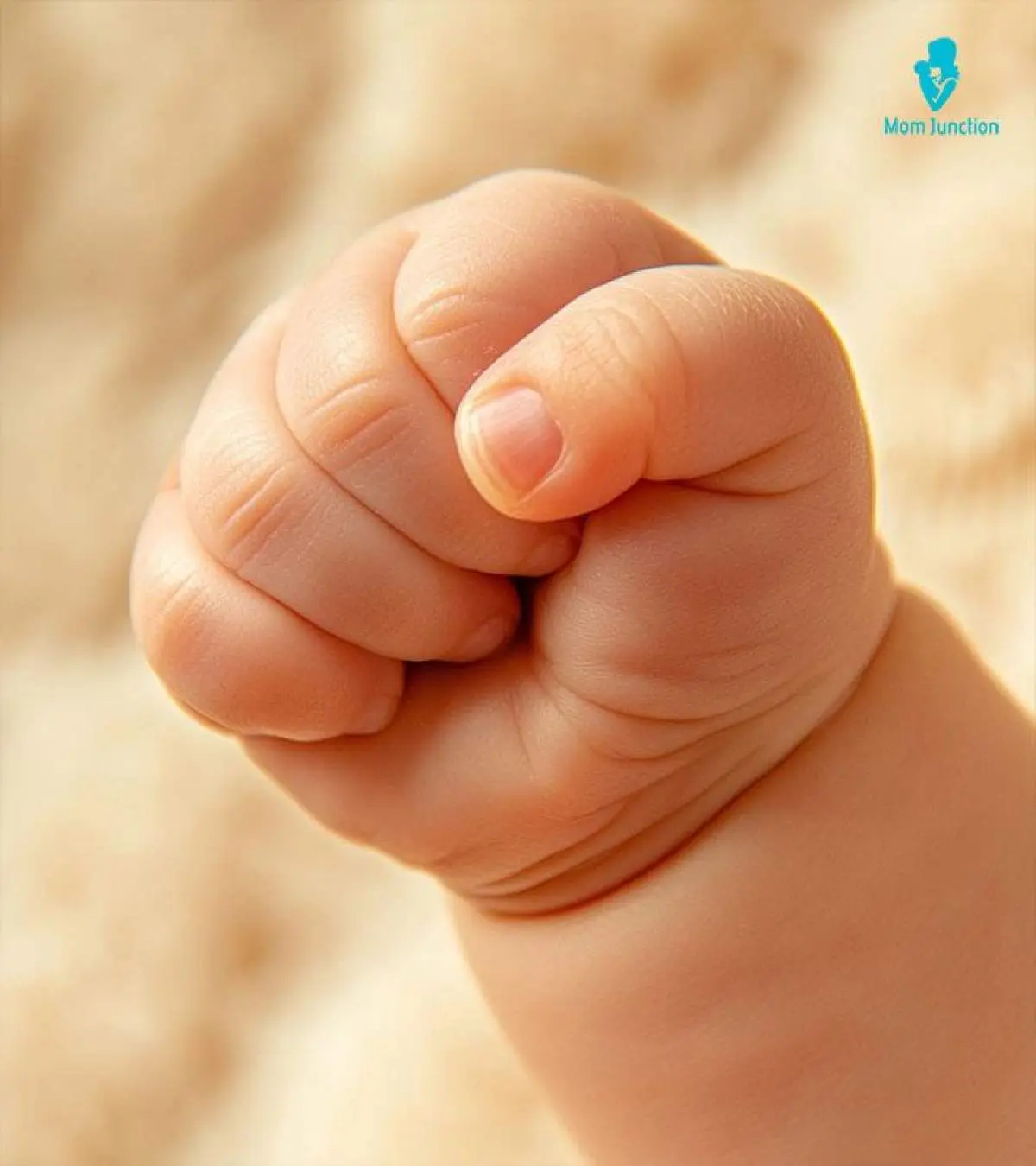
Babies often keep their hands in fists because their nervous systems are still developing. In the first weeks of life, a normal grasp reflex, muscle tone, hunger, sleep, cold, and simple self-soothing can all make a baby curl their fingers.
For most babies in the United States, clenched hands are a normal part of early development. The hands usually open more often as the baby gains control, watches their fingers, and begins to reach for toys. Still, persistent stiffness, a strong difference between the hands, or other developmental concerns should be discussed with a pediatrician.

Why newborns keep their hands clenched
A newborn’s clenched fists usually reflect normal brain and muscle development. Babies cannot yet control each finger on purpose, so their hands may stay curled even when they are calm.
Several common factors explain this behavior:
- The grasp reflex: Touching a baby’s palm can make the fingers close automatically.
- Immature motor control: The brain is still learning how to relax and open the hands.
- Normal muscle tone: Newborns often keep their arms and legs flexed.
- Hunger or stress: A hungry, tired, or upset baby may tighten the hands.
- Sleep: Hands may remain closed during active sleep or light sleep.
- Temperature: A cold baby may curl the fingers and draw the arms inward.
A clenched fist by itself does not mean a baby is in pain or has a neurological problem. The wider pattern matters more than one brief behavior.
The palmar grasp reflex
The palmar grasp reflex is an automatic response present at birth. When a finger or object touches the palm, the baby closes the hand around it. This reflex helps explain why newborns may grip an adult’s finger tightly.
The reflex typically becomes less dominant during the first few months. As voluntary hand control improves, babies begin to open their hands, bring them to the mouth, and reach for objects. The exact pace varies from child to child.
Do not pull an object forcefully from a baby’s grasp. Instead, wait for the hand to relax or gently support the wrist and object.
Normal muscle tone in early infancy
Newborns often have flexed arms, bent legs, and hands that are partly or fully closed. This posture is common because the nervous system has not yet developed mature control over movement.
A healthy baby may open their hands for a few seconds, then close them again. They may also open one hand while keeping the other closed. These changes are usually reassuring because they show that the hands can relax.
When do babies start opening their hands?
Most babies gradually open their hands more often during the first two to four months. Development does not happen on one exact day, so a range is more useful than a strict deadline.
Parents may notice a pattern like this:
| Approximate age | Common hand behavior |
|---|---|
| Birth to 1 month | Hands often stay closed; grasp reflex is strong |
| Around 2 months | Baby may open the hands briefly and move the arms more freely |
| Around 3 months | Hands open more often; baby may look at or bring hands to the mouth |
| Around 4 months | Baby may reach toward objects and hold them briefly |
| Around 5 to 6 months | Baby often grasps toys with more purpose and explores them with the hands |
These are broad developmental patterns, not a pass-or-fail test. Babies born early may reach milestones based on corrected age. Corrected age adjusts for the number of weeks a baby was born before 40 weeks of pregnancy.
The Centers for Disease Control and Prevention recommends discussing developmental concerns with a health care provider rather than waiting if a child is not meeting milestones or loses a skill they previously had.
A baby does not need to keep their hands open all day. The more useful question is whether the hands sometimes open and whether movement becomes more varied over time.
How to tell normal fists from a possible concern
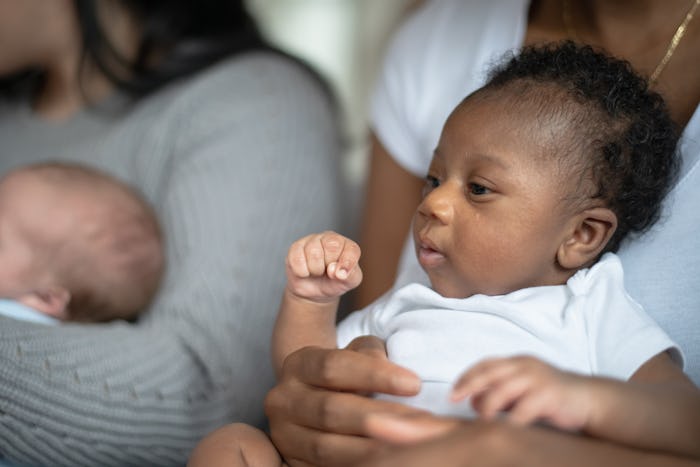
Normal clenched hands are usually flexible and change with the baby’s state. The baby may open the fingers while sleeping, feeding, bathing, or reaching. Both hands often show similar movement, even if one is closed more often at a particular moment.
Contact your child’s pediatrician if you notice one or more of these patterns:
- One hand stays tightly closed most of the time.
- The fingers cannot be gently opened.
- The baby uses one arm much less than the other.
- The hand remains clenched beyond the early infancy period with little improvement.
- The baby seems unusually stiff or difficult to move.
- The baby seems unusually floppy or weak.
- The thumb stays tightly tucked into the palm.
- The baby does not move both arms freely.
- The baby loses a hand or arm skill they had gained.
- Clenched hands occur with feeding trouble, poor alertness, unusual eye movements, or repeated jerking.
These signs do not identify a specific condition. They show that an examination may be helpful. A pediatrician can check muscle tone, reflexes, strength, symmetry, feeding, and overall development.
When to seek urgent medical care
Seek urgent help if a baby has trouble breathing, turns blue or gray, is difficult to wake, has a seizure, or has sudden weakness on one side of the body. Call 911 in the United States for severe breathing problems, unresponsiveness, or a medical emergency.
A fever in a baby younger than 3 months also needs prompt medical advice. In the United States, the American Academy of Pediatrics advises contacting a health care professional right away for a rectal temperature of 100.4°F (38°C) or higher in an infant younger than 3 months.
The fist itself is rarely an emergency. The concern is the combination of the hand position with other symptoms.

What parents can do at home
You do not need to force a baby’s hands open. Gentle observation and safe play are usually enough.
1. Watch when the hands open
Notice whether the hands relax during sleep, feeding, bathing, or calm alert periods. A simple note or short video can help your pediatrician understand the pattern.
2. Offer safe floor play
When the baby is awake and watched, place them on their back on a firm, flat surface. Offer a clean, age-appropriate toy within easy view. This can encourage looking, reaching, and hand opening.
Always place a baby on their back for sleep. Do not place toys, pillows, loose blankets, or stuffed items in the sleep area.
3. Use gentle touch
You may softly stroke the back of the hand or massage the palm. Stop if the baby resists, cries, or seems uncomfortable. Never pry the fingers open or stretch the thumb forcefully.
4. Keep the nails short
Short nails reduce scratches when a baby moves a closed hand near the face. Use infant nail clippers or a file and work when the baby is calm.
5. Check basic comfort
A baby may clench their hands when hungry, cold, tired, overstimulated, or upset. Look for other cues, such as rooting, crying, turning away, yawning, or changes in skin color.
6. Track the larger development picture
Hand position is only one part of development. Also notice whether the baby feeds well, moves both sides of the body, responds to sound and faces, and gains skills over time.
Do not use mittens to keep the hands closed or open. If mittens are used for scratching, make sure they fit safely and remove them during supervised play so the baby can see and move their hands.
Can clenched fists mean hunger, pain, or autism?
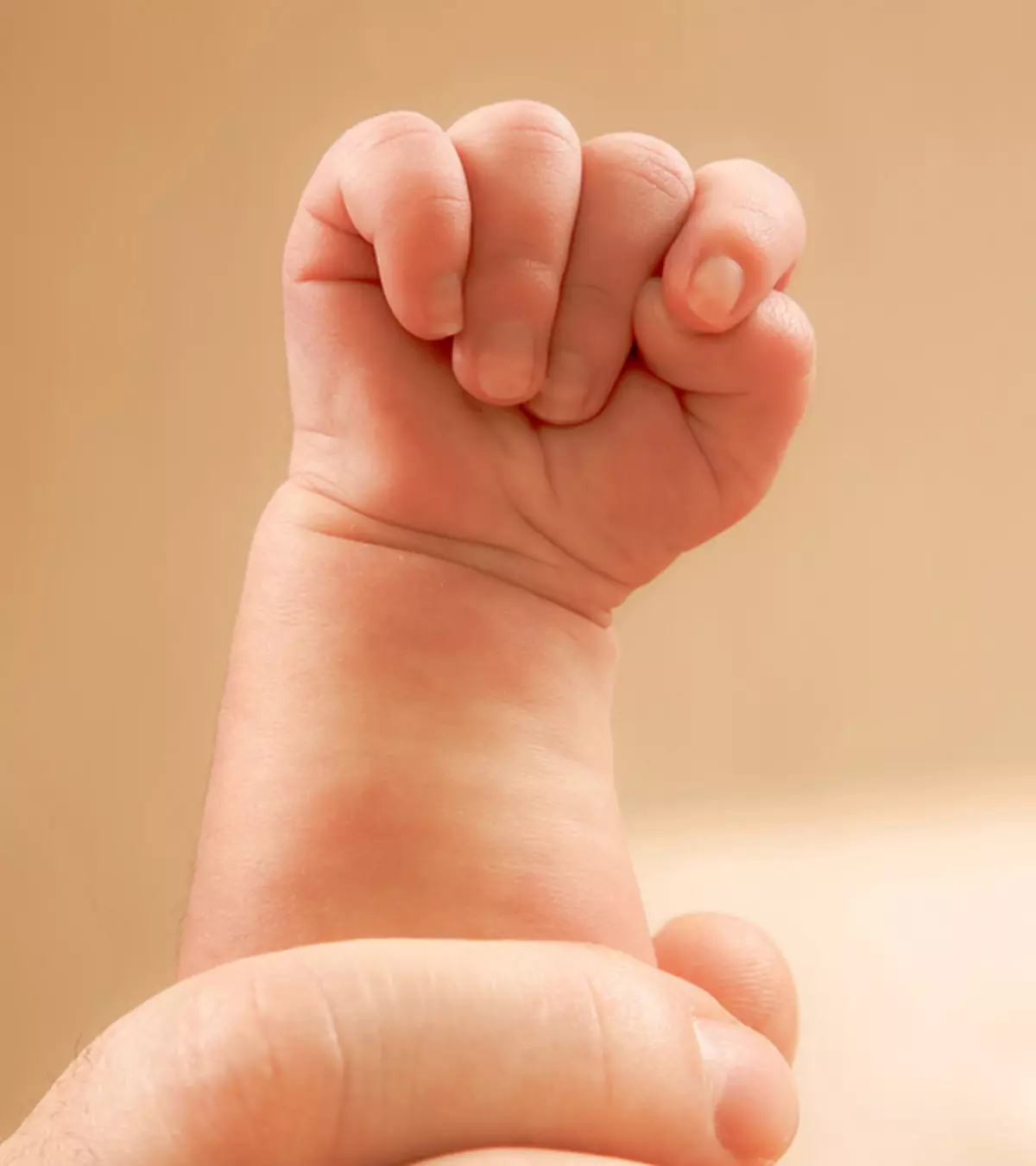
Clenched fists can occur with hunger, but they are not a reliable hunger sign on their own. Look for a group of cues, such as rooting, bringing hands to the mouth, lip smacking, and increasing alertness. Crying is a later hunger cue.
Pain can also cause a baby to tighten the hands, but pain usually comes with other changes. These may include persistent crying, facial grimacing, a swollen area, vomiting, fever, poor feeding, or unusual sleepiness.
Clenched fists alone do not indicate autism. Autism cannot be diagnosed from one hand behavior, especially in a newborn. Pediatricians assess many areas over time, including social communication, language, movement, and behavior.
The better approach is to consider the full pattern:
- Does the baby sometimes relax the hands?
- Are both sides moving in a similar way?
- Is the baby feeding and growing as expected?
- Are new skills appearing over time?
- Are there other symptoms?
If the answer to several of these questions is concerning, schedule a medical assessment rather than trying to diagnose the cause at home.

Common mistakes to avoid
Several well-meaning actions can make a parent more worried or cause discomfort.
Do not compare one baby with another
Developmental milestones describe a range. A baby who keeps their hands closed longer than a cousin or friend’s baby may still be developing normally.
Do not diagnose from a single video
A short clip may capture a baby who is hungry, cold, tired, or startled. A clinician needs the broader history and a physical examination.
Do not force the fingers open
Force can hurt the joints or skin and does not improve motor development. Gentle play is safer.
Do not ignore a clear loss of skill
A baby who stops moving an arm or loses a skill should be evaluated. Loss of a previously gained skill is more concerning than simply reaching a milestone later.
Do not wait for a routine visit if symptoms are severe
Breathing trouble, blue or gray skin, seizure-like activity, severe weakness, or difficulty waking require urgent care.

Key takeaways
- Babies often keep their hands in fists because of the grasp reflex and immature motor control.
- Hunger, sleep, cold, stress, and normal newborn muscle tone can also cause clenched hands.
- Most babies open their hands more often during the first two to four months.
- A clenched fist is more concerning when it is persistent, very stiff, one-sided, or linked with weakness or delayed development.
- Never force a baby’s fingers open.
- Contact a pediatrician with concerns, and seek urgent help for breathing trouble, unresponsiveness, seizures, or sudden weakness.
Frequently asked questions
Should I be worried if my newborn never opens their hands?
Usually not. Newborns often keep their hands closed, especially when asleep, hungry, or upset. Mention it to the pediatrician if the hands are always tightly closed, cannot be gently relaxed, or the baby moves one side less than the other.
Why does my baby clench their fists while feeding?
Some babies clench their hands while they focus on feeding. Hunger, effort, excitement, and normal reflexes may all contribute. If clenched hands occur with choking, sweating, poor feeding, vomiting, or breathing changes, contact a health care professional.
Is it normal for a baby to clench one fist?
Briefly, yes. Babies may use one hand more at different moments. A hand that stays tightly closed most of the time, especially with less movement on that side, should be discussed with a pediatrician.
When should a baby’s hands be completely open?
There is no single age when a baby’s hands must remain open. Most babies show more frequent hand opening during the first few months and gain better control by about 4 to 6 months. Developmental ranges vary.
Can I massage my baby’s clenched hands?
You may use light, gentle touch if the baby is comfortable. Do not pry the fingers apart, pull the thumb, or continue if the baby cries or resists. Ask the pediatrician for guidance if the hand feels rigid.
Medical sources
- Centers for Disease Control and Prevention: Developmental Milestones
- American Academy of Pediatrics: HealthyChildren.org
- American Academy of Pediatrics: Fever and Infants
- MedlinePlus: Infant Development

Conclusion
Babies keep their hands in fists mainly because early reflexes and developing motor control make it hard to open and relax the fingers on purpose. In most cases, the hands open more often as the baby grows and begins to reach, grasp, and explore.
Watch the pattern over time rather than focusing on one moment. If the fist is rigid, one-sided, persistent, or linked with weakness, feeding problems, unusual movements, or loss of skills, contact a pediatrician.