Why Do Babies Kick Their Feet: Common Reasons

Babies in the United States often kick their feet because they are growing, moving, communicating, or reacting to their surroundings. Most foot kicking is normal. A baby may kick when excited, hungry, tired, uncomfortable, or simply practicing new motor skills.
The meaning depends on your baby’s age, mood, body movements, and other signs. Kicking alone is rarely a problem. However, kicking with breathing trouble, unusual stiffness, repeated jerking, poor feeding, or a clear change in behavior needs medical attention.

The short answer: Why do babies kick their feet?
Babies kick their feet for several normal reasons:
- Motor development: Kicking helps build strength and control in the legs, hips, and core.
- Excitement: Babies may kick when they see a parent, hear a familiar voice, or get ready to feed.
- Communication: Since babies cannot speak, movement can show interest, joy, hunger, or frustration.
- Self-soothing: Rhythmic leg movement may help some babies settle.
- Body awareness: Kicking teaches babies how their legs move and how their actions affect the world.
- Discomfort: A wet diaper, gas, tight clothing, heat, or constipation can lead to more movement.
- Startle or reflexes: Young infants may move suddenly when they hear a loud sound or feel a quick change in position.
Foot kicking is usually reassuring when the baby looks well, feeds normally, breathes comfortably, and moves both sides of the body.

What does baby foot kicking mean at different ages?
The same movement can have a different meaning at each stage. A newborn’s sudden kick is not the same as a six-month-old’s repeated leg motion during play.
Newborns: reflexes and early movement
Newborns have limited control over their movements. Their arms and legs may jerk, flex, stretch, or kick without a clear goal.
Common reasons include:
- The Moro reflex, also called the startle reflex
- Hunger or excitement before a feed
- A wet diaper or uncomfortable clothing
- Gas or the need to burp
- A response to touch, sound, light, or a change in position
- Early practice using the leg muscles
Newborn movements may look uneven at times. Still, a baby should generally move both sides of the body over time. A consistently still arm or leg deserves a call to the baby’s health care professional.
Around 2 to 4 months: stronger and more purposeful kicks
During the first months, babies gain better control of their bodies. They may kick more when lying on their back, especially when they are alert.
At this age, kicking may show:
- Pleasure during play
- Excitement when a parent approaches
- Anticipation of feeding
- A response to a moving toy
- Practice with leg and trunk strength
The Centers for Disease Control and Prevention lists active movement of both arms and both legs among early infant movement skills. Milestones describe common patterns, not a test that every baby must pass on one exact day.
Around 4 to 6 months: play, rolling, and body discovery
Older infants often kick with more purpose. They may lift both legs, grab their feet, push against a surface, or kick during tummy time.
Kicking can support:
- Rolling from back to side or belly
- Better balance
– Stronger hip and leg muscles - Early coordination between the eyes, hands, and feet
- Exploration of cause and effect
A baby may also kick during diaper changes because the legs are free and the baby has room to move.
Around 6 months and later: movement before crawling
Some babies kick, rock, push with their feet, or “swim” with their arms before they crawl. These actions can be part of normal exploration.
Not all babies crawl in the same way. Some crawl on hands and knees, scoot on their bottoms, roll to reach objects, or move in another pattern. Kicking by itself does not predict when a baby will crawl or walk.

Why do babies kick their feet when excited?
Babies often kick when they feel happy or alert. A familiar face, playful voice, favorite toy, or coming feed can trigger full-body movement.
Look for other signs of excitement, such as:
- Smiling
- Eye contact
- Cooing or squealing
- Waving the arms
- Turning toward a parent
- Relaxed facial muscles
- Normal breathing and skin color
This type of kicking usually stops or changes when the baby becomes calm. It may also happen in short bursts throughout the day.
Excited kicking is not the same as a seizure. A baby who kicks while staying responsive, making normal eye contact, and returning to a calm state is generally showing a normal reaction.
Why do babies kick their feet while feeding?
Kicking during feeding is common. Babies may move their legs because they are excited, hungry, full of energy, or trying to regulate their body.
Possible reasons include:
- Anticipation of breast or bottle feeding
- A fast or slow milk flow
- Burping or trapped gas
- A need to pause
- Being overtired
- Becoming distracted
- Discomfort from reflux or another feeding issue
Try pausing for a burp, checking the baby’s position, and watching the baby’s feeding cues. If bottle-feeding, avoid forcing the baby to finish. Turning away, slowing down, closing the mouth, or relaxing the hands may signal that the baby needs a break or is full.
Contact a pediatric clinician if kicking comes with repeated coughing, choking, poor weight gain, frequent vomiting, blue or gray lips, or signs of pain during most feeds.

Why do babies kick their feet at night?
Night kicking can happen during light sleep, active sleep, or brief awakenings. Infants may twitch, stretch, grunt, or move their legs without fully waking.
Normal sleep movement is usually:
- Brief
- Irregular
- Not linked with breathing trouble
- Not followed by unusual sleepiness
- Present without a lasting change in behavior
Some babies also kick because they are too warm, need a diaper change, have gas, or are trying to settle. Keep the sleep area firm and flat. Follow American Academy of Pediatrics safe-sleep guidance: place the baby on the back for every sleep and keep loose blankets, pillows, and soft items out of the sleep space.
If you swaddle, stop when the baby shows signs of trying to roll. Do not use weighted swaddles or weighted sleep products. A baby who can roll needs free movement of the arms.
Seek urgent help if nighttime movements include repeated stiffening, rhythmic jerking that does not stop when you gently touch or reposition the baby, breathing pauses, a change in color, or difficulty waking.
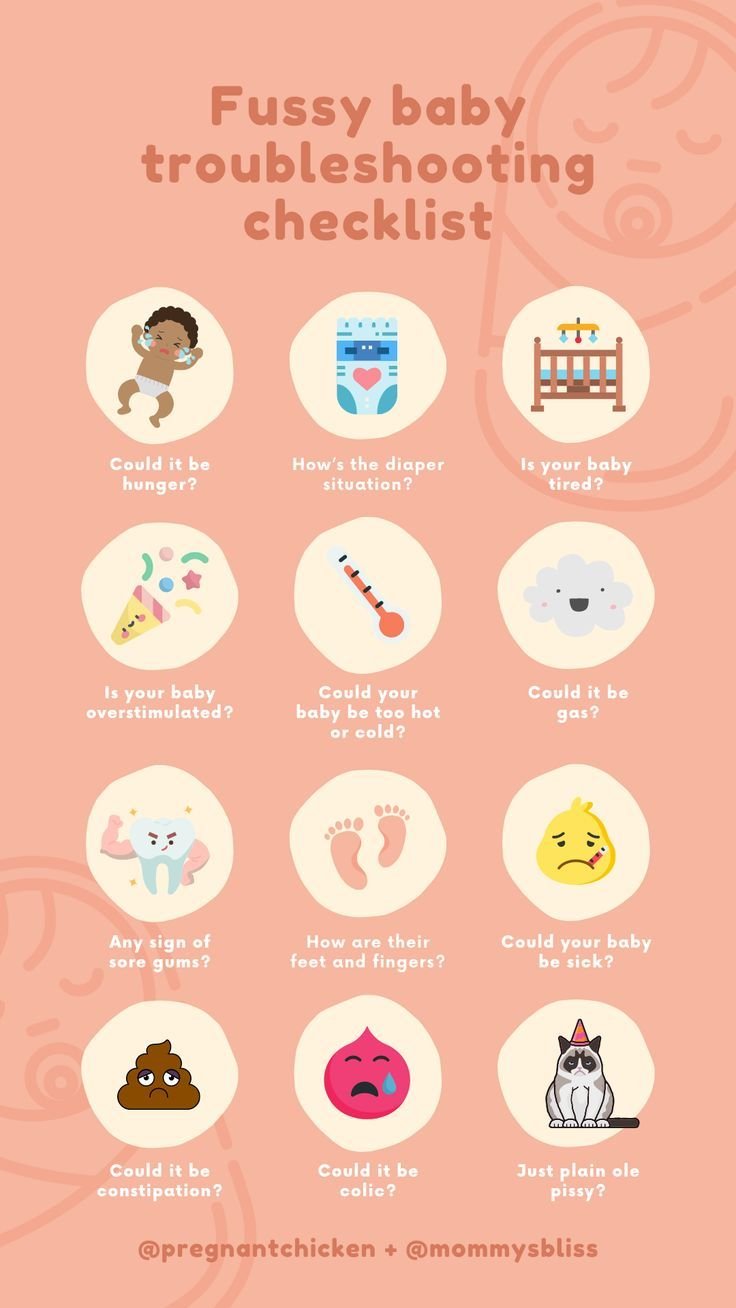
Can kicking mean a baby is uncomfortable?
Yes. A sudden increase in kicking may signal discomfort, but kicking does not identify the cause by itself.
Check simple causes first:
- Diaper: Look for a wet, dirty, tight, or chafing diaper.
- Clothing: Check for tight waistbands, twisted fabric, or overheating.
- Temperature: Feel the baby’s chest or back rather than relying only on hands and feet.
- Gas: Try an upright position and a gentle burp.
- Hunger or fullness: Watch feeding cues instead of using kicking alone.
- Stool: Notice whether the baby is straining, passing hard stools, or having fewer stools than usual.
- Skin: Look for redness, swelling, bruising, or a thread wrapped around a toe.
A hair or thread can sometimes wrap around a toe and reduce blood flow. Check the toes during a sudden episode of crying or kicking. If a toe looks blue, pale, swollen, cold, or very painful, seek prompt medical care.
Do not press hard on the belly or give medicine for gas, constipation, or pain unless a qualified clinician tells you to do so.

Is foot kicking a sign of autism or a developmental problem?
Kicking alone is not a reliable sign of autism or another developmental disorder. Babies move their legs for many normal reasons, and one behavior cannot establish a diagnosis.
Developmental concerns are more meaningful when several patterns occur together, such as:
- Loss of a skill the baby previously had
- Persistent weakness on one side
- Very stiff or very floppy muscles
- Limited response to sounds or faces
- Ongoing feeding difficulty
- Lack of expected social interaction over time
- Repeated movements paired with changes in awareness
Development varies, but parents should not wait if a baby loses skills or seems to stop progressing. The CDC recommends discussing concerns with a child’s doctor and using early intervention services when appropriate. In the United States, parents can contact their state’s early intervention program for an evaluation, often without waiting for a formal diagnosis.
When is baby kicking normal?
Kicking is usually normal when the baby:
- Moves both legs at different times
- Has normal skin color and breathing
- Feeds and sleeps in a familiar pattern
- Responds to voices, touch, or faces
- Stops or changes the movement when calm
- Has no fever or signs of injury
- Continues to gain skills over time
A short video can help a pediatric clinician understand a movement that happens only at home. Record from a safe distance, keep the baby on a secure surface, and do not delay urgent care to make a video.

When should you call a doctor about a baby kicking?
Call the baby’s pediatric clinician if kicking is new, frequent, or paired with other concerns. Ask for advice about:
- Repeated episodes that look unusual
- Persistent stiffness or floppiness
- One leg that moves much less than the other
- Pain with moving one leg
- Swelling, bruising, or a new rash
- Feeding problems or poor weight gain
- Ongoing vomiting or signs of dehydration
- A major change in sleep or behavior
- Loss of a previously learned skill
Get emergency help now
Call 911 in the United States for a baby who has:
- Trouble breathing
- Blue, gray, or very pale skin
- Severe choking
- A seizure lasting more than five minutes
- Repeated seizures without returning to normal
- Serious injury
- Unresponsiveness or extreme difficulty waking
For babies younger than 3 months, a rectal temperature of 100.4°F (38°C) or higher requires urgent medical assessment. Follow your clinician’s instructions and do not rely on foot kicking, crying, or sleepiness to judge the seriousness of a fever.

How can parents respond to a baby who keeps kicking?
Start by checking comfort and safety. Then observe the pattern instead of trying to stop every kick.
Useful steps include:
- Pause and watch. Note when the kicking starts and stops.
- Check the baby’s face and breathing. A calm, responsive baby is less concerning than a baby who looks ill.
- Offer a basic comfort check. Change the diaper, adjust clothing, or pause feeding.
- Allow safe movement. Give the baby supervised floor time on a clear, firm surface.
- Use tummy time while awake. Stay with the baby and stop if the baby becomes very tired or distressed.
- Avoid unsafe restraints. Never tie down the legs or use devices that restrict normal movement.
- Track patterns. Record the time, activity, duration, and other symptoms.
- Share concerns early. Contact the pediatric clinician if the pattern persists or seems different from usual.
Do not shake, jolt, or force a baby’s legs into a position. If you suspect an injury, stop moving the affected limb and seek medical advice.

Common mistakes when interpreting baby foot movements
Mistake 1: Treating every kick as a distress signal
Babies often kick when they are happy, alert, or practicing movement. Look at the whole baby, not just the legs.
Mistake 2: Assuming kicking proves a specific diagnosis
Kicking cannot diagnose reflux, gas, autism, cerebral palsy, or seizures. A clinician must consider the full history and examination.
Mistake 3: Comparing one baby with another
Babies reach movement skills at different times. A sibling, friend, or online video is not a medical standard.
Mistake 4: Restraining the legs
Restricting movement can interfere with development and may create safety risks. Babies need safe chances to move freely.
Mistake 5: Waiting after a clear regression
A baby who loses a skill should be assessed. Do not wait for the next routine visit if the change is sudden or concerning.
Frequently asked questions
Why does my baby kick their legs and cry?
The baby may be hungry, tired, wet, overheated, gassy, or uncomfortable. Check basic needs first. If crying is severe, unusual, or paired with vomiting, fever, breathing trouble, swelling, or poor feeding, contact a clinician promptly.
Why does my baby kick their feet during diaper changes?
Diaper changes provide a chance to stretch and move. Babies may also kick because they dislike being cold, want to move, or enjoy the attention. Keep one hand on the baby at all times and never leave the baby alone on a changing table.
Why does my baby kick when lying on their back?
Back-lying gives babies room to see and move their legs. Kicking helps them practice muscle control and body awareness. Back sleeping remains the recommended position for every sleep.
Does kicking mean my baby will walk early?
No. Kicking can strengthen movement skills, but it does not predict when a baby will crawl or walk. Normal development includes a wide range of movement styles and timing.
Why does my baby kick only one leg?
A brief difference can happen when a baby changes position. If one leg is consistently less active, painful, swollen, stiff, or difficult to move, contact the baby’s health care professional.
Can babies kick because they are constipated?
They can move or strain when trying to pass stool, but kicking does not prove constipation. Hard, dry stools and discomfort matter more than leg movement alone. Ask a clinician before giving water, juice, laxatives, or suppositories to a young infant.
Medical sources and evidence
This guide is based on general pediatric guidance and developmental information from:
- Centers for Disease Control and Prevention: Developmental Milestones
- American Academy of Pediatrics: Safe Sleep
- American Academy of Pediatrics: Fever and Infants
- MedlinePlus: Infant and Newborn Development
- CDC: Learn the Signs. Act Early.
These sources provide general information. They cannot determine the cause of a specific baby’s movements without an examination.
Conclusion
Babies kick their feet because movement helps them grow, communicate, explore, and respond to comfort or excitement. Most kicking is normal when the baby is alert, breathing well, feeding normally, and using both sides of the body.
Watch the pattern, check simple sources of discomfort, and let your baby move safely. Contact a pediatric clinician for persistent one-sided movement, unusual stiffness or floppiness, pain, feeding trouble, loss of skills, or movements that concern you. Get emergency help for breathing problems, color changes, unresponsiveness, or a prolonged seizure.